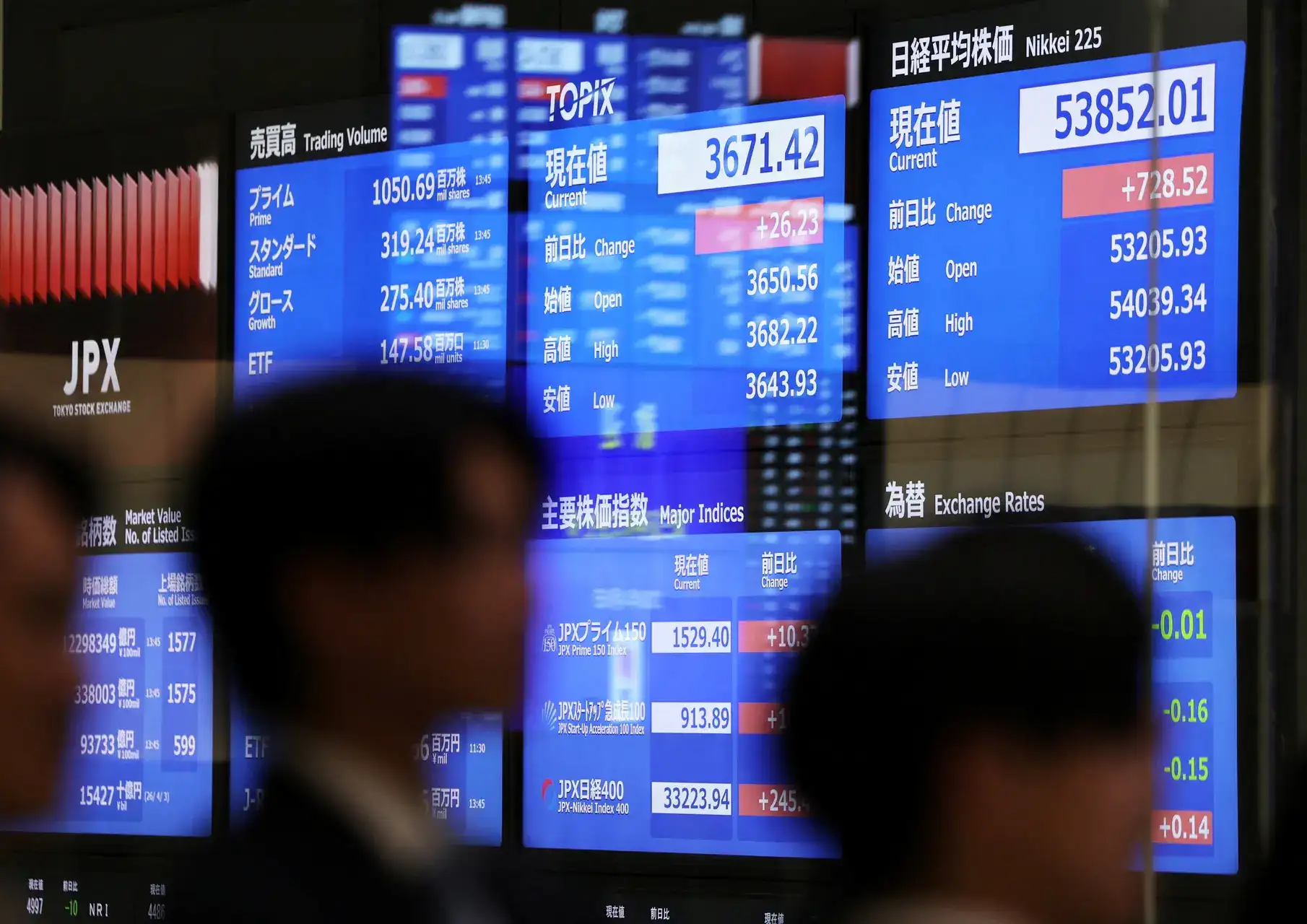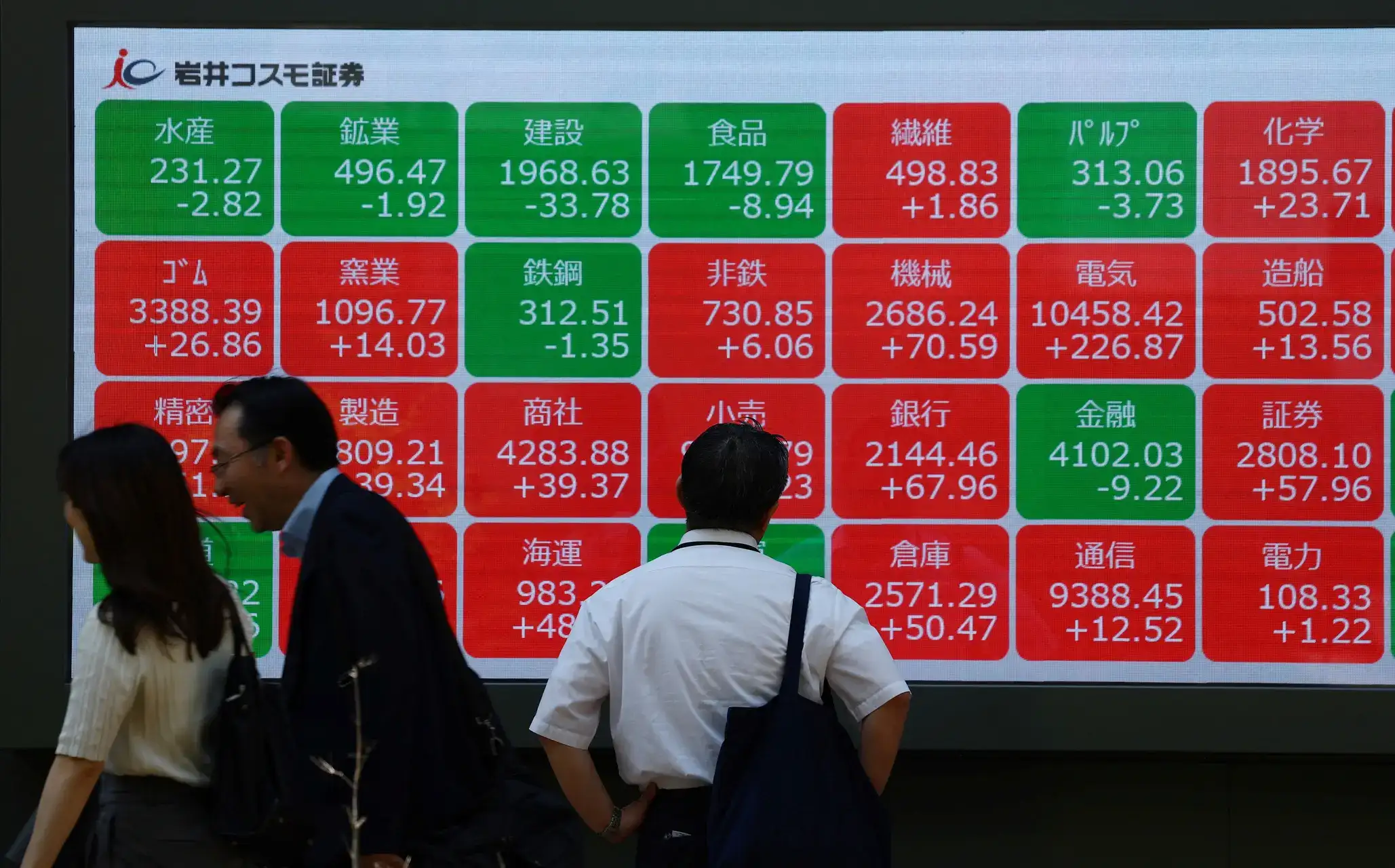

The Indian stock market has seen a sharp drop since the war between Iran and the US-Israel began late in February, wiping off massive sums of investor wealth on Dalal Street. Nifty 50 declined more than 7% during the period, despite hopes of a peace agreement creating pockets of relief in between. Here are 10 stocks with market capitalisation of over Rs 1,000 crore that have tumbled up to 50% in just 100 days since the war began.
Aqylon Nexus
Aqylon Nexus shares have crashed nearly 50% since the beginning of the war in the Middle East, wiping off over Rs 1,523 crore from its market cap. Formerly known as Sri Adhikari Brothers Television Network, the company builds high-performance technology systems on a foundation of nuclear clean energy. Its Nukler-powered data centres enable continuous, low-carbon compute while in-house subsystems drive efficiency. The stock is down nearly 64% in 2026 so far.
Wakefit Innovations
The recently listed shares of Wakefit Innovations have tumbled around 38% since the beginning of March this year, wiping off Rs 2,260 crore from its market capitalisation. The popular mattress-maker had made a flat market debut in December last year. The shares of the company have fallen around 38% so far in 2026 and 6% in one week.
IDBI Bank
IDBI Bank shares have crashed more than 37% since the beginning of March, wiping off a massive Rs 46,160 crore from the lender’s market cap. This came after the government reportedly considered pausing the divestment process and scrapping the bids already received. The setback in the lender’s strategic sale came as financial bids came in below the floor price set by the government, people familiar with the matter told The Economic Times. Late in May, sources told ET that the Centre is exploring ways to revive the stalled privatisation of IDBI Bank.
Wonder Electricals
Wonder Electricals shares, meanwhile, tumbled more than 33%, with its market cap falling by nearly Rs 625 crore. The shares of the manufacturer and supplier of fans are down more than 38% in 2026 so far and 47% in one year. In the longer term, the stock delivered nearly 292% returns over three years.
NIIT Learning Systems
NIIT Learning Systems shares have plunged more than 32% since the onset of the war in the Middle East, wiping off around Rs 1,497 crore from the company’s market cap. The stock has fallen nearly 30% in one month, 44% in 2026 so far, and 37% in one year.
Rajesh Exports
Rajesh Exports shares plunged over 31% since the beginning of March, with the selloff deepening recently after market regulator Sebi issued an interim order against the precious metals exporter and its promoter over alleged large-scale financial irregularities. The company, however, denied the allegations and maintained that it had committed no wrongdoing. Rajesh Exports shares have fallen over 14% in just three sessions since SEBI’s order spooked investors. The stock has fallen more than 23% in one month, 53% in one year and 84% in three years.
Ashok Leyland
Ashok Leyland shares, meanwhile, have tumbled over 31% since the onset of the Middle East war, wiping off nearly Rs 38,656 crore from the truck-maker’s market cap. Nomura last month highlighted that recent macroeconomic challenges, including higher fuel prices, rising inflation and the possibility of higher interest rates, could weigh on India’s GDP growth, with medium and heavy commercial vehicles being particularly sensitive to an economic slowdown. Ashok Leyland shares have
Fino Payments Bank
Fino Payments Bank shares have declined nearly 31% since the beginning of March. The stock gained around 3% in five days, but fell 53% in the past six months. Overall, the stock is down nearly 50% in 2026 so far.
Sunteck Realty
Sunteck Realty shares have dropped around 30% since the onset of the war in the Middle East, wiping off nearly Rs 1,745 crore from the company’s market capitalisation. The shares of the company have fallen more than 20% in one month, 32% in six months and 41% in one year.
Tata Motors
Tata Motors, which represents the automaker’s commercial vehicle business, has seen its share price crash 30% since the beginning of March. The sharp selloff wiped off more than Rs 50,129 crore from the auto giant’s market capitalisation. Nomura, in May, downgraded the shares of Tata Motors CV from ‘Buy’ to ‘Neutral’, and reduced its target price by nearly 27% to Rs 402 apiece, as it believes that there are risks to the CV cycle from the West Asia crisis, potential rise in fuel prices and margin risk from higher commodities.