

Post Content
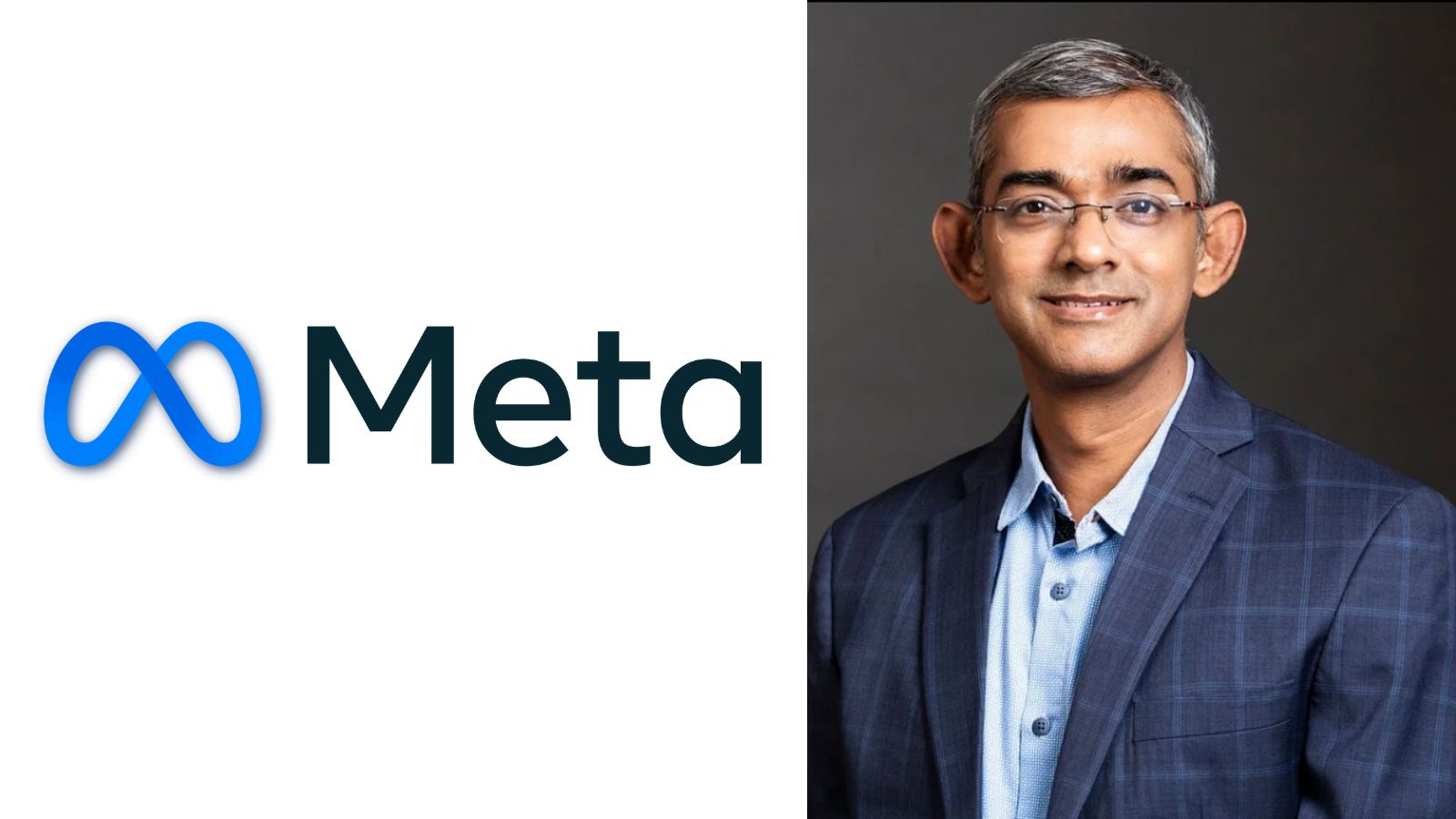
“We are now living in a mobile-first society. Today, if you look at content, the primary content is on platforms like Instagram or Facebook. So it’s social first, and it’s very personalised thanks to the emergence of AI and algorithms,” said Arun Srinivas, managing director and head for Meta India.
The social media giant on Wednesday, March 18, unveiled its report, Micro dramas: The India story, in collaboration with Ormax Media. The report’s findings highlight the exponential rise of micro-dramas, a new content category of short-form web series that are designed for mobile viewing.
Alongside the launch of the report, IndianExpress.com caught up with Srinivas to understand what was triggering the sudden steep rise in micro-drama viewership.
Around 90 per cent of micro-drama viewers discovered content through their Facebook and Instagram feeds, as per the report. Srinivas shared that micro-dramas are reshaping the way millions of Indian users are consuming entertainment on their smartphones.
Also Read | Meta unveils new Facebook tools to help creators report copycat content more easily
On the other hand, a staggering 65 per cent of the current users became repeat micro-drama viewers within 12 months. This meteoric rise points at a fundamental shift in how India is engaging with entertainment content.
“India is a land of storytelling, so obviously the opportunity is immense for the supply side here, because clearly you can bring in all of these things that we’ve grown up on – the mythology, serials and episodes – into very short-form, snackable content,” Srinivas noted. “That’s really what we’re seeing.”
Micro-dramas feature episodes ranging from five to ten minutes, with some shows running into hundreds of episodes. The format is ideal for those with on-the-go lifestyles – be it commuting, taking a lunch break, or simply having a few spare minutes. The content is designed for immediate consumption without requiring long-term commitment, yet it maintains the episodic storytelling which is preferred by most Indian viewers.
Key findings from the report:
Story continues below this ad
📌65 per cent discovered micro-dramas in the last year📌89 per cent discovery via social media; mostly algorithm-driven📌Users don’t recognise the term “microdrama”.📌Consumption starts accidentally, driven by scrolling📌Key hook: fast, cliffhanger-led storytelling📌Avg usage: ~30 mins/day in short sessions📌Peak time: night; mostly solo viewing📌90 per cent watch alone; low social sharing📌Only 18 per cent become high-intent (paying users)📌Biggest challenge: trust + monetisation📌Seen as “story-driven reels”, not a distinct category
Personalised content and discovery
Artificial intelligence (AI) too plays a key role in this ecosystem. The Meta executive shared that AI-powered algorithms not only help users discover content but also create a personalised entertainment experience that rivals traditional television. “Just like today I’m able to watch a reel on the World Cup wins after India won the T20, and I see a lot of my feed around cricket – entertainment is also our option,” Srinivas explained. “That’s what we are seeing really through the emergence of micro-dramas.”
Srinivas shared that the discovery and rediscovery mechanism on Meta’s platforms is particularly innovative. When a user shows interest in a specific genre or watches the first episode of a micro-drama, the algorithm learns their preferences and serves relevant content. However, Meta’s role extends beyond initial discovery.
Also Read | ‘They’ve got no way of thinking critically’: Why experts are warning parents against the new wave of ’emotion-sensing’ AI toys
“Meta is used as a retargeting platform to really make sure that people who have shown interest or have seen stuff get prompted again on their feed,” Srinivas said. “They get a reminder to say, ‘Hey, you watched this, we’re missing you.’ So that’s how, really, in some sense, we play a role in discovery and what I would call rediscovery.”
A global phenomenon
Story continues below this ad
This is not merely an Indian trend but is a global phenomenon. During the conversation, Srinivas pointed out that micro-dramas are gaining traction across East Asia, particularly in Japan and Korea, suggesting a global shift in entertainment consumption patterns. “This is a cultural phenomenon where people are spending more and more time on their phones,” he noted. “Today, if you look at the time spent on the phone, it outlives, or outperforms, any other metric that you have on television or any other device that you have.”
Perhaps, the most intriguing aspect is the democratisation of content creation that micro-dramas allow. While platforms like Instagram and Facebook have already empowered individual creators across India, from travel influencers in the northeast to beauty experts in Tamil Nadu, micro-dramas represent the next wave of this democratisation.
“I think clearly this will democratise storytelling, and it has a huge opportunity for more regional stories to be told,” Srinivas emphasised. According to him, the regional language aspect is particularly significant as content is already flourishing in Telugu, Tamil, and other regional languages, with more languages expected to join soon.
Also Read | India’s shopping journey is moving to WhatsApp, finds Meta-RAI whitepaper
“Even if my content originally is in Gujarati or Telugu, it is possible today with AI tools to dub these into multiple languages and serve them in the right language that you consume,” Srinivas shared, highlighting how technology is breaking down linguistic barriers.
Story continues below this ad
Looking ahead, Srinivas sees micro-dramas as “wave two” of India’s creator economy. “These micro-drama producers, who are in some sense larger content creators playing to similar audiences, will redefine storytelling, which is more around short, snackable bites, which will largely get discovered on our platforms and are AI-first in their storytelling,” he predicted.
The combination of mobile-first consumption, AI-powered personalisation, social media discovery, and India’s rich storytelling tradition creates the perfect arena for micro-dramas to thrive.
