

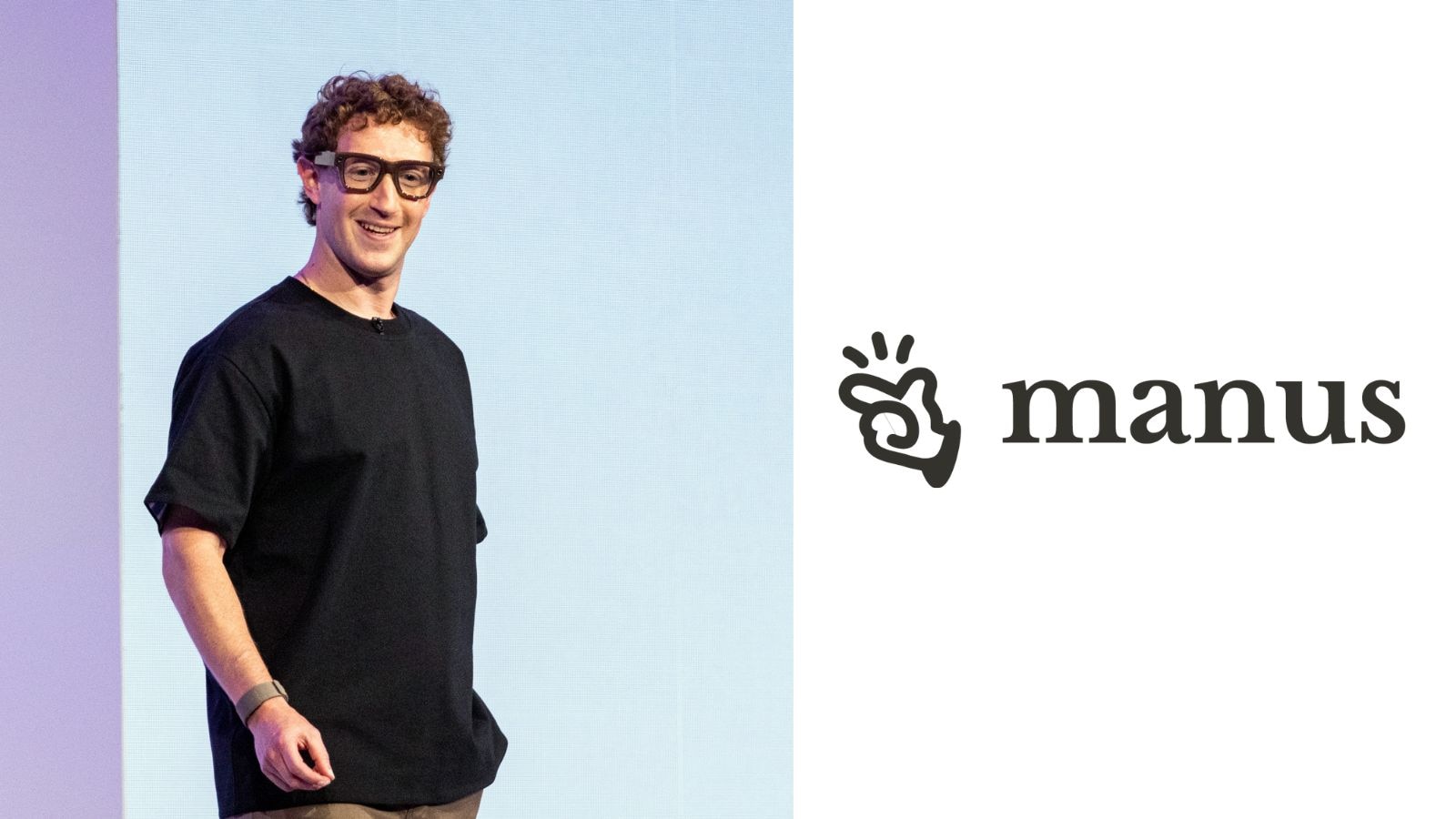
Post Content Manus’ roots can be traced back to a Chinese startup called Butterfly Effect. (Express Image)
Meta’s planned acquisition of agentic AI startup Manus has reportedly been halted by the Chinese government.
China’s National Development and Reform Commission on Monday, April 27, ordered the $2 billion takeover deal to be cancelled, according to a report by Bloomberg. The decision comes after the country’s state planner launched a probe into illegal foreign investment and tech exports following Meta’s announcement of the Manus acquisition in December 2025.
The multibillion-dollar takeover deal was reportedly close to completion, and its potential collapse could deal a blow to Meta, which sought to snap up the buzzy agentic AI startup as part of the social media giant’s broader strategy of using its financial firepower to scoop up talent and buy capabilities in order to gain an edge over rivals in the AI arms race.
Beijing’s obstruction of the Manus acquisition could also deepen the rivalry between the US and China in the global AI race. Originally founded in China, Manus has since shifted its base to Singapore and in 2025, made its debut with a general-purpose AI agent – LLM-powered systems that can autonomously navigate the web and complete tasks on behalf of the user.
Manus was part of the wave of Chinese AI startups that sprouted and sparked buzz in the wake of DeepSeek’s triumph, drawing attention for developing AI agents capable of executing complex ‘general’ tasks such as market research, coding, and data analysis.
Also Read | What is Wide Research, Manus’ new multi-agent AI tool to take on OpenAI and Google?
Meta’s acquisition of Manus is aimed at accelerating AI innovation for businesses and integrating advanced automation into its consumer and enterprise products, including its Meta AI assistant, the social media giant had said in its announcement post last year.
While the Meta-Manus deal was once lauded as a model for Chinese AI startups with global ambitions, the transaction has since come under fire from critics who warn it could hand advanced AI capabilities to a geopolitical rival.
Story continues below this ad
Beijing has stepped up its scrutiny of key AI companies and startups in the deal’s aftermath. Last month, the Financial Times reported that Manus’s chief executive officer and chief scientist were summoned to a meeting in Beijing and questioned on potential violations of foreign direct investment rules. They were then barred from leaving the country pending a regulatory review.
Prior to the Meta deal, a US venture fund’s earlier investment into Manus had also come under initial scrutiny in Washington. Further underscoring geopolitical strains around AI, the US State Department last week accused DeepSeek and other Chinese firms of stealing intellectual property from US-based AI research labs, as per a report by Reuters.
Also Read | China’s second DeepSeek moment? Meet Manus, an AI agent that can think and act independently
These concerns were reportedly raised in a diplomatic cable sent to diplomatic and consular posts around the world, instructing staff to speak to their foreign counterparts about “concerns over adversaries’ extraction and distillation of U. A.I. models.” “A separate demarche request and message has been sent to Beijing for raising with China,” the document reportedly said.
