

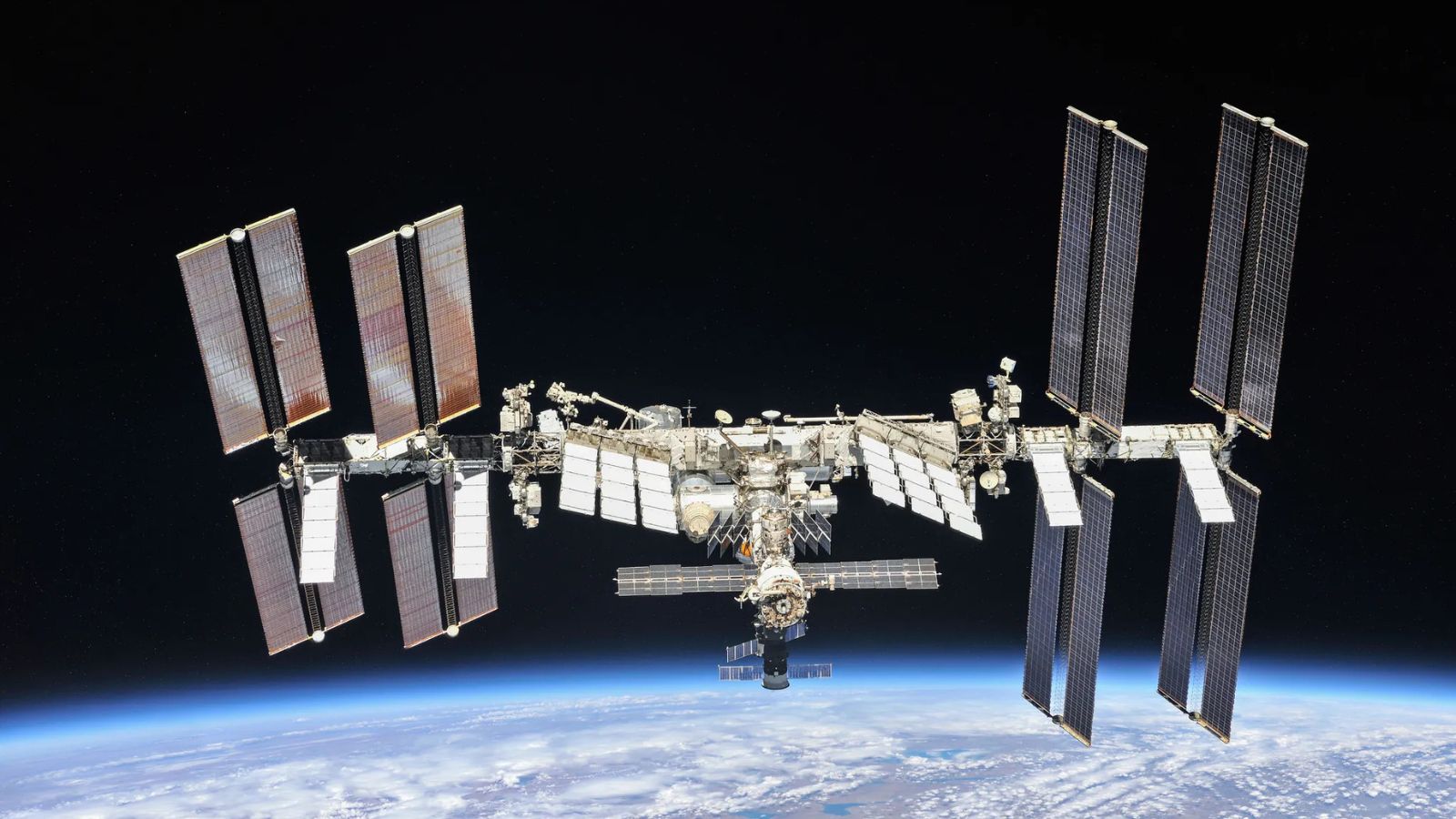
Post Content New physics equipment was installed to take advantage of the microgravity environment, where experiments can produce results not possible on Earth. (Image: Nasa)
Astronauts aboard the International Space Station have begun offloading supplies from the recently docked spacecraft. This offers a chance to view the process through which supplies are delivered into space when reserves run low. The spacecraft, Progress 95, delivered nearly 3 tonnes of cargo, including supplies, food, and fuel, to ensure they can continue their work.
After the spacecraft arrived, Commander Sergey Kud-Sverchkov and Flight Engineer Sergei Mikaev conducted safety checks for leaks or pressure issues inside the space station before opening the cargo ship’s hatch to the Zvezda module. The next step involved installing air ducts and offloading the cargo.
Carrying out such processes is crucial because astronauts rely on supplies from Earth for survival in space. Without them, long-duration missions would not be possible.
Science and technology work continues onboard
While unpacking continued, crew members also focused on scientific research and maintenance tasks. New physics equipment was installed to take advantage of the microgravity environment, where experiments can produce results not possible on Earth.
Nasa astronauts Jessica Meir and Jack Hathaway upgraded the station’s Cold Atom Lab, adding a new module designed to cool atoms to extremely low temperatures. This allows scientists to study atomic behaviour in ways that could improve understanding of general relativity and even aid the search for dark matter.
Also Read | Race against time: what is happening with Nasa’s ageing International Space Station
With support from European Space Agency astronaut Sophie Adenot, the team also worked with the Microgravity Science Glovebox, removing and storing equipment used to study how cryogenic fuels behave in space. These findings could help improve spacecraft propulsion and life support systems in future missions.
Reducing dependence on supply mission
In another experiment, Adenot explored ways to produce medical-grade saline solutions using the station’s potable water. This technology would reduce dependence on cargo flights and help keep medical supplies fresh during long flights.
Story continues below this ad
Also Read | Scientists confirm moss spores stay viable after spending nearly a year in outer space
Chris Williams, Nasa’s flight engineer, organised cargo, kept the system updated, and was also responsible for offloading cargo from another spacecraft. Andrey Fedyaev attended to life-support activities, such as transferring water and checking the ventilation system.
How astronauts get food in space
The landing of Progress 95 underscores a necessity of life in space: regular resupply missions. Whenever the crew of astronauts begins to exhaust their food reserves, cargo spacecraft are dispatched from Earth to deliver the necessary supplies to sustain them.
Such missions are always meticulously planned to ensure astronauts have enough supplies. In planning longer space missions, including deep-space expeditions, technologies that reduce reliance on such missions will prove vital. However, for now, cargo spacecraft like Progress will continue to deliver food and other supplies to astronauts.
