

OpenAIis weighing legal action againstApple, and the frustration didn’t happen overnight. The AI company, which wove ChatGPT into Apple’s software back in 2024, now believes it was sold a vision that never materialised.Bloomberg reported Thursday that OpenAI has already brought in an outside law firm to explore its options—including the possibility of a formal breach-of-contract notice headed to Cupertino.No lawsuit has been filed, and OpenAI insists it would still prefer to resolve things quietly. Timing matters too: any formal move is expected to hold until the company wraps up its bruising courtroom battle with Elon Musk.
OpenAI thought it was getting the next Google-Safari deal. It wasn’t even close.
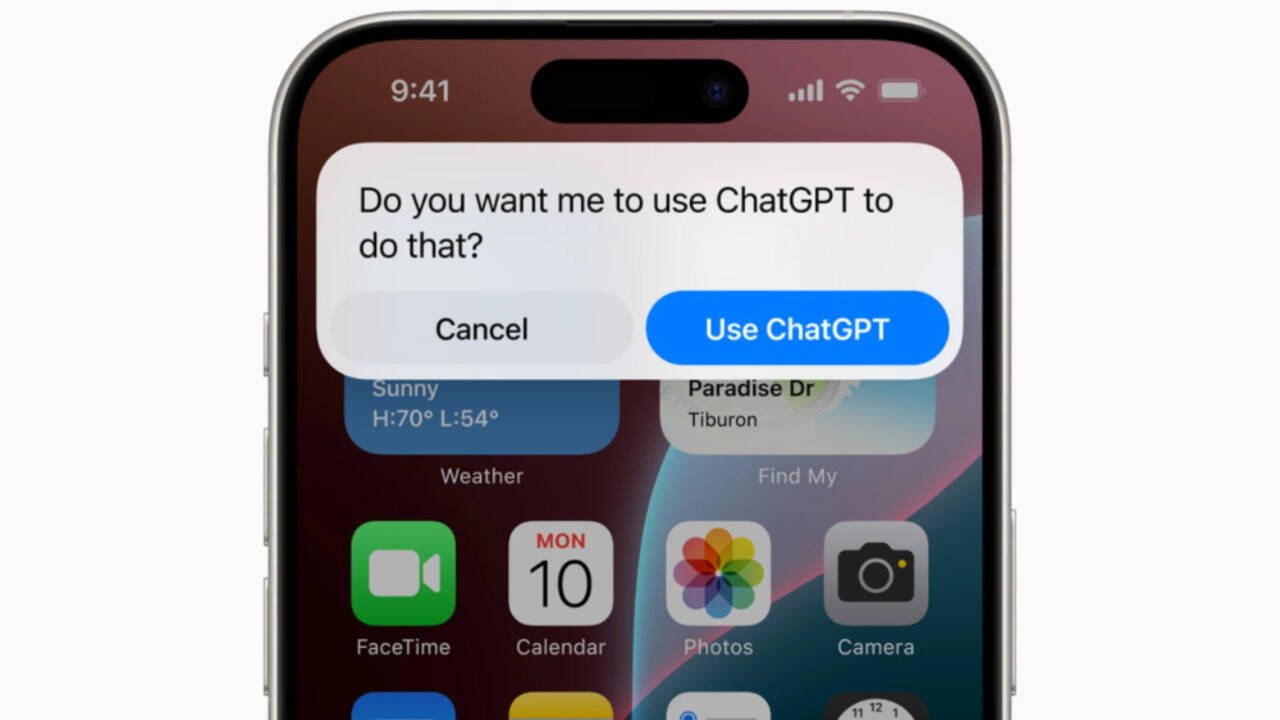
When the partnership was unveiled at Apple’s Worldwide Developers Conference in June 2024, OpenAI went in believing it had secured a transformative distribution deal—a foot in the door of one of the world’s largest consumer ecosystems. Apple apparently compared the opportunity to its legendary search arrangement with Google in Safari, a deal worth tens of billions annually to both sides. That framing, in hindsight, set expectations that were never going to be met.The mechanics of how Apple actually built the integration tell the story. Users who want ChatGPT through Siri have to explicitly name it in their query—there’s no seamless handoff. When a response does come through, it shows up in a constrained interface that strips away much of what makes ChatGPT compelling. According to internal research cited by Bloomberg, most iPhone users simply bypass the integration entirely and go straight to the ChatGPT app.Worse, OpenAI believes the watered-down experience has left some users with a skewed impression of what the product can actually do.OpenAI had projected the Apple partnership could unlock billions in annual subscription revenue. The reality has fallen drastically short.”We have done everything from a product perspective,” one OpenAI executive told Bloomberg anonymously. “They have not, and worse, they haven’t even made an honest effort.”Efforts to revisit and rework the terms of the deal have gone nowhere.
Apple isn’t exactly thrilled with OpenAI either.
This isn’t purely a one-sided grievance. Apple reportedly had reservations about how OpenAI handles user data even before the partnership launched—concerns it pushed aside because its own in-house AI wasn’t ready for prime time. The deal was, to a significant degree, a pragmatic stopgap.What’s made things considerably worse is OpenAI’s move into hardware.The company’s acquisition of a device startup co-founded by legendary Apple designer Jony Ive—now led by former Apple insiders Tang Tan and Evans Hankey—signals ambitions that go well beyond software. Add to that OpenAI’s aggressive poaching of Apple’s hardware engineers with compensation packages that reportedly dwarf what Apple is willing to pay, and the relationship has soured well beyond a contractual dispute.Apple is now testing integrations with both Anthropic’s Claude and Google’s Gemini as part of iOS 27, due to be previewed at WWDC on June 8.The bigger picture is hard to miss. Apple is building an AI architecture that doesn’t depend on any single partner, and ChatGPT is sliding from favoured collaborator to one option among many. As one OpenAI executive told Bloomberg, they were asked to take a leap of faith. It just didn’t land.
