Banks or NBFCs? DSP's Preethi R S explains where she sees the best opportunities




India's financial markets are poised for growth, buoyed by robust domestic economic fundamentals like strong consumer demand and proactive government spending. Nevertheless, international geopolitical tensions and fluct...

Foreign investment in Indian government bonds is projected to stay subdued as global yields alongside domestic interest rates reduce investor attraction. The postponement of India's inclusion in global bond indices furt...

Sensex in green, but Nifty in red? Investors panic as new Closing Auction Session (CAS) brings some temporary teething issues, but analysts say long-term investors need not panic. Here is everything you need to know!

SBI Securities’ Sudeep Shah expects Nifty to remain rangebound, with 24,300–24,800 as key levels. He prefers a buy-on-dips strategy, citing constructive trends. Smallcaps remain bullish, while FII short covering could s...

Investor Mukul Mahavir Agrawal’s portfolio rose 12% to around Rs 7,720 crore by June 2026. Several holdings delivered strong CY26 gains, led by Apollo Pipes, Hind Rectifiers and KRN Heat Exchanger. The portfolio also sa...

Molbio Diagnostics has successfully attracted Rs 281.5 crore from anchor investors ahead of its much-anticipated initial public offering. The company aims to raise between Rs 904 crore and Rs 940 crore through this publ...
Fifteen BSE 500 stocks posted gains in each of the five sessions from August 3 to 7. Apar Industries led with a 16% five-day gain, followed by Welspun Corp and Authum Investment.

Dhoot Transmission has raised Rs 918 crore from 72 anchor investors ahead of its Rs 3,067-crore IPO, with domestic mutual funds accounting for 61.27% of the anchor allocation. The company will use the proceeds to repay...
LIC increased its holdings in several major stocks during Q1FY27, with Bharti Airtel, Maruti Suzuki and ITC among the biggest buys, based on Prime Database data.

The US dollar lost ground against key currencies due to unexpected job losses in July, raising fears about economic stability. As a result, the markets predict that the Federal Reserve will keep interest rates unchanged...
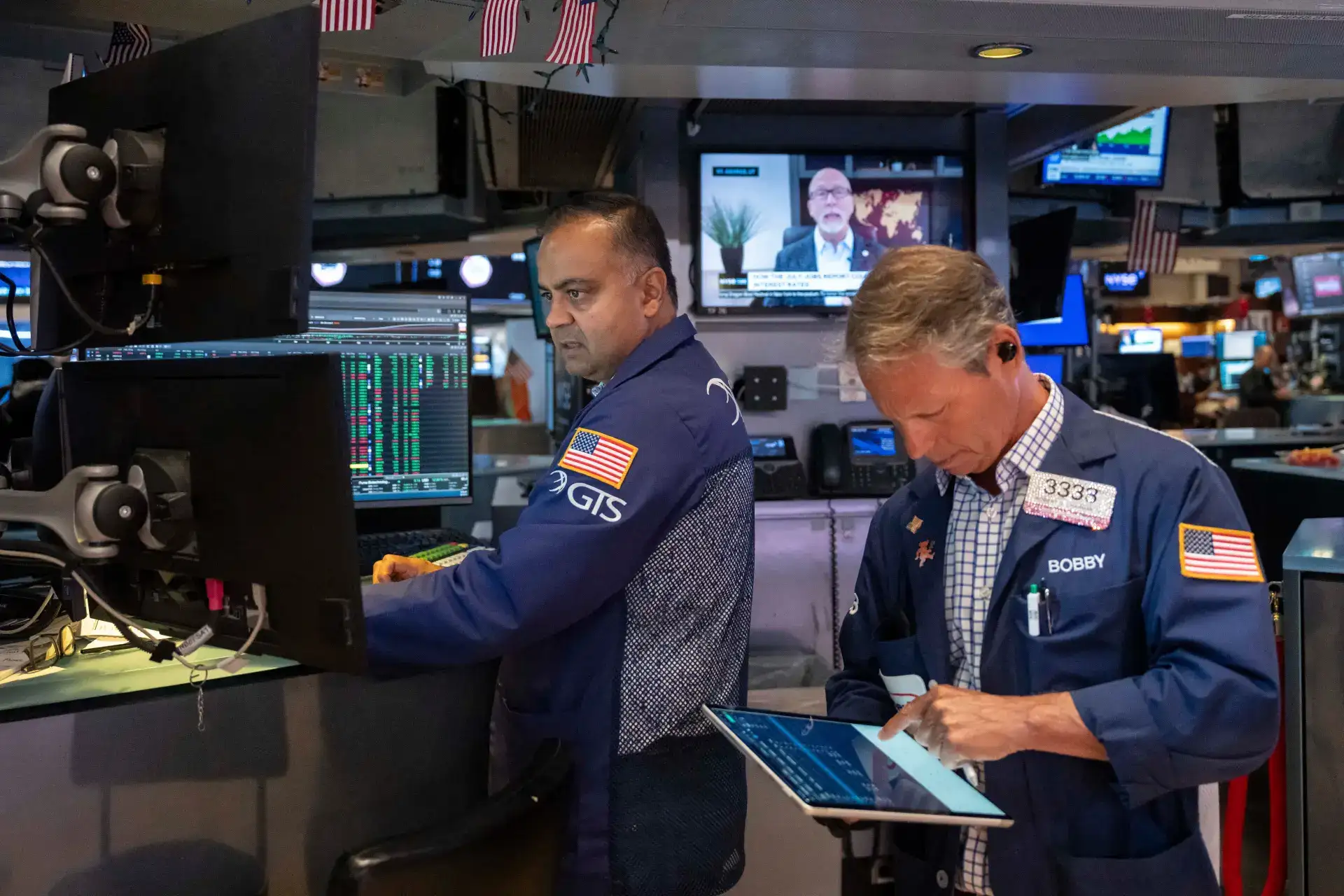
Upcoming inflation data poses a challenge to the stock market's recent technology-driven surge. Analysts predict a rise in consumer prices, which might sway the Federal Reserve’s monetary policy. Meanwhile, easing geopo...
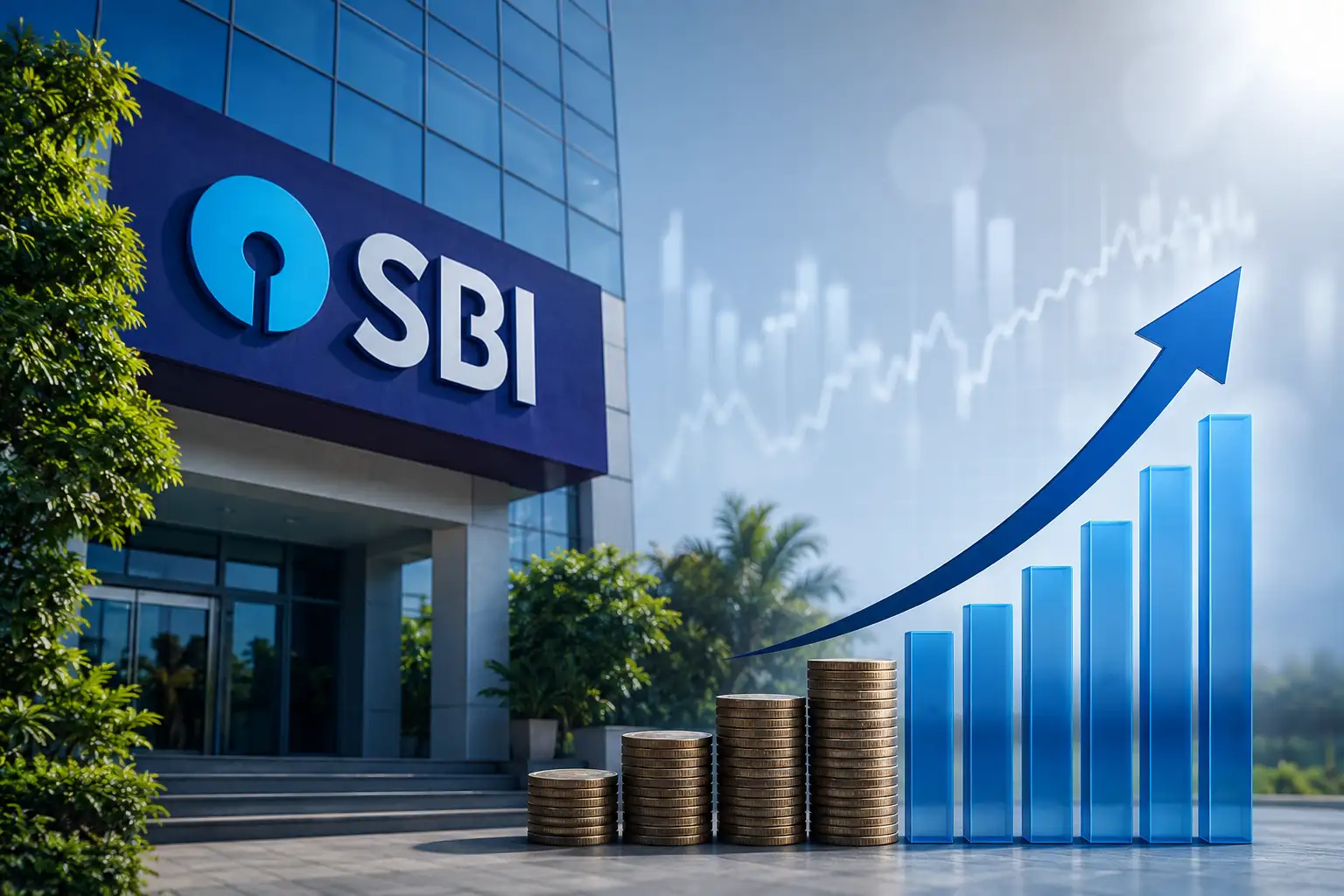
State Bank of India announced a notable ten percent growth in net profit for the June quarter, driven by robust loan growth that amplified its operating income. The year-on-year increase of fifteen percent in net intere...