

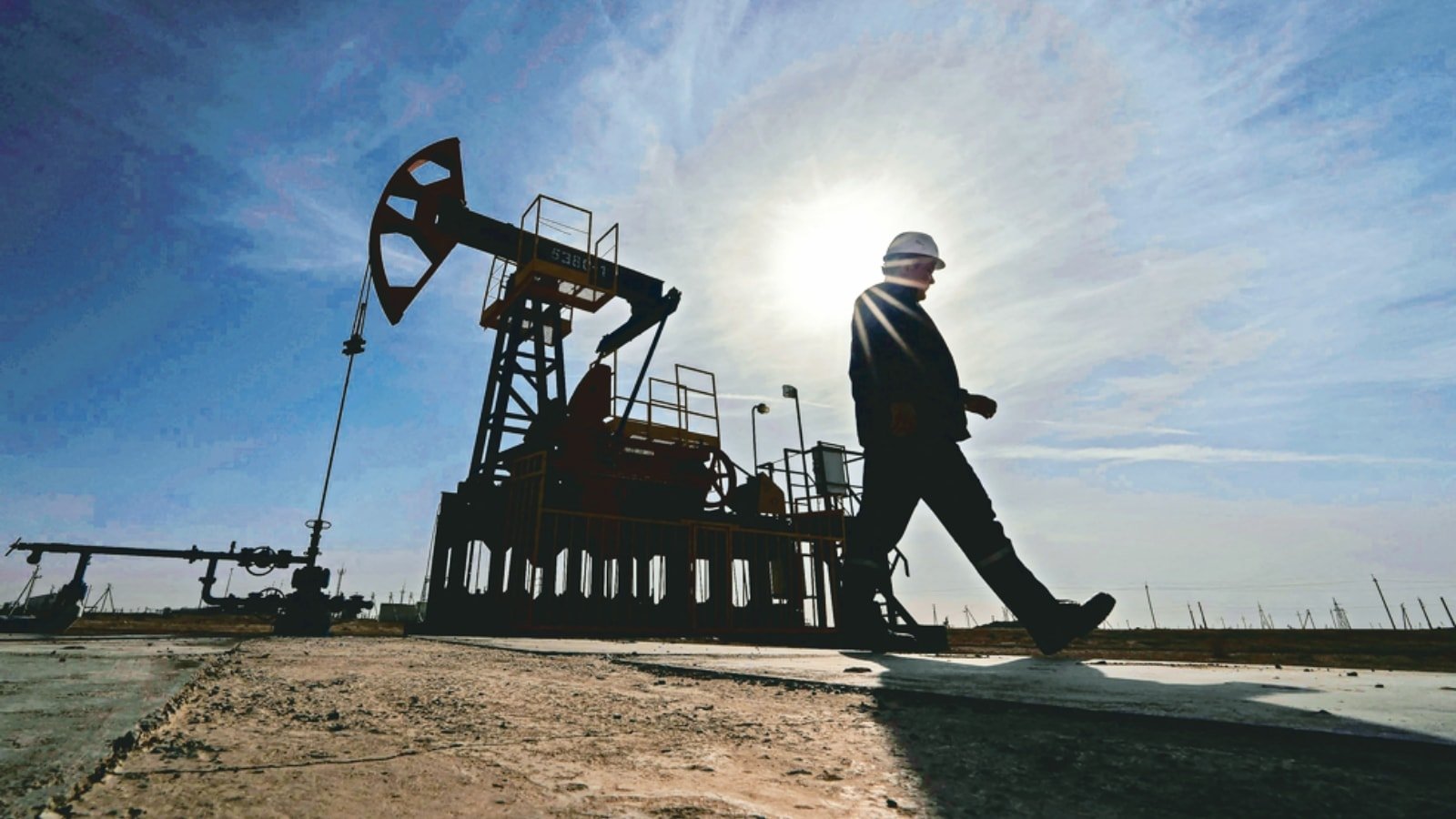
High crude oil prices have intensified inflation fears.
India’s benchmark 10-year bond yield shot up by 7 basis points (bps) to 6.94 % on Friday, up from the previous day’s close of 6.87%, raising concern over the possibility of a rise in inflation and monetary policy tightening by the central bank.
High Brent crude prices of over $ 100 per barrel intensified inflationary fears, while the rupee’s slide below 94 level against the dollar compounded pressure on the country’s fiscal and external balances amid the backdrop of ongoing war in the West Asia, which has rattled global markets and heightened risk aversion.
With Friday’s rise, bond yield has risen by 26 basis points in the last one month. Bond prices and yields move in opposite directions — when prices rise, yields fall and vice-versa. On the other hand, benchmark bond yield in the US has risen by 48 basis points to 4.42% in the last one month.
In Japan, the five-year yield rose 3 basis points to a record high of 1.770%, while the benchmark 10-year yield rose 3 bps to 2.300%.
The rise in yields in the last couple of days signals a swift repricing of risk by investors, who are now demanding higher returns to compensate for mounting uncertainties.
Elevated crude prices threaten to widen India’s current account deficit and strain public finances through higher import bills and potential subsidy burdens. If oil rises further, yield can even cross the 7% mark in the coming days, analysts said.
At the same time, a weaker rupee makes imports costlier, feeding directly into domestic inflation. A sharp rise in bond yields typically means investors can expect higher inflation and the Reserve Bank of india (RBI) is likely to raise interest rates. Analysts said the bond market’s reaction reflects deep concern over the inflation trajectory and the possible policy response from the RBI.
Story continues below this ad
Higher inflation expectations typically push yields upward, as investors anticipate tighter monetary conditions or prolonged policy rigidity.
The RBI kept the main policy instrument — Repo rate — unchanged at 5.25% and hiked the GDP forecast to 7.4% from an earlier estimate of 7.3% in the February 2026 policy review. It also revised upward the projection for consumer price index (CPI) inflation to 2.1% from 2%.
The RBI is likely to keep the repo rate unchanged in the forthcoming policy review in April and watch the inflation trajectory. The US Federal Reserve had kept the rates unchanged at 3.50%-3.75% in its meeting on March 18.
While the pump prices of petrol and diesel have been held steady by the government, the sharp increase in the crude oil prices will soon impact the economy which is driven by petrochemicals and their intermediates across the entire supply chain of manufacturing and logistics. The Centre slashed the excise duty on petrol and diesel by 10 rupees on Friday to cushion impact of the rising crude oil.
Story continues below this ad
“Inflation is expected to rise on a low base of previous quarters on the back of expensive raw materials which may compel the RBI to start increasing rates sooner than the market’s expectations,” said Phanisekhar Ponangi, Co- Founder and head of Investments, Mavenark.
Moreover, the rising trade deficit on the back of expensive crude imports and reduced remittances from West Asia are likely to exert a downward pressure on the rupee. “The RBI will be mindful of proactively addressing inflationary pressures before it leads to a wage-price spiral which can be extremely challenging to manage,” Ponangi of Mavenark said.
© The Indian Express Pvt Ltd
