
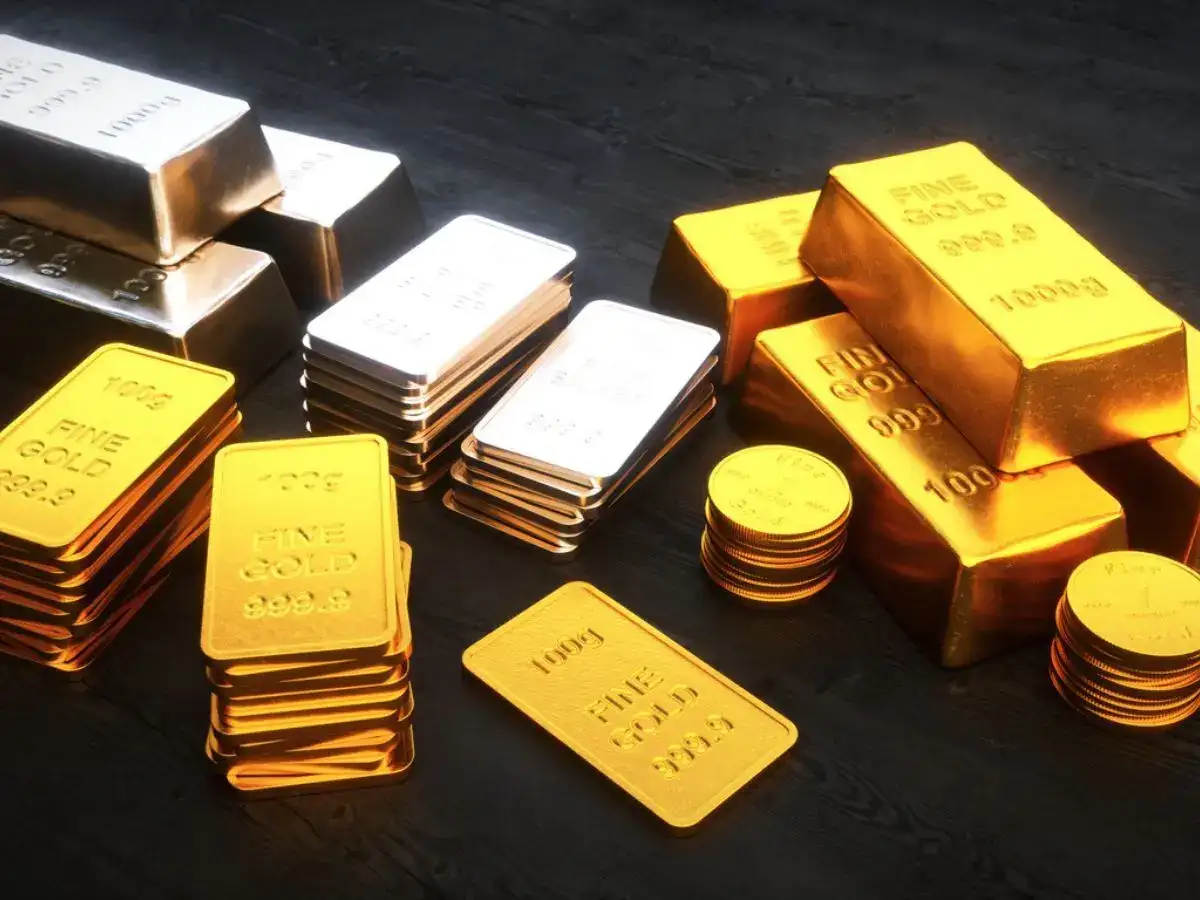
For early investors in gold and silver, 2025 and early 2026 delivered extraordinary returns. Silver, for instance, rallied 170% in 2025 and surged to a record high of Rs 4.54 lakh per kilogram in January. Gold, the preferred safe-haven asset, climbed to an all-time high of Rs 2.04 lakh per 10 grams.
Then came the sharp reversal. As tensions escalated in West Asia, the US, Israel and Iran exchanged missiles, many expected precious metals to extend their rally. Historically, periods of geopolitical uncertainty have driven investors towards safe-haven assets like gold and silver. This time, however, the opposite happened. Instead of climbing, both metals witnessed a steep correction, leaving many investors who entered near the peak staring at significant losses.
The scale of the decline has been staggering. Silver has plunged 50%, or Rs 2.25 lakh, from its January peak of Rs 4.54 lakh per kilogram, while gold has fallen Rs 60,000 (30%) from its record high of Rs 2.04 lakh per 10 grams, also touched in January. In the previous session, silver ended 0.7% higher at Rs 2,30,100/kg, while gold closed marginally lower at Rs 1.44 lakh/10 grams.
Before deciding what investors stuck at the top should do next, it is worth understanding what has driven this dramatic fall from record highs.
Crude oil, while now 42% below its record high of $126 during the peak of the Middle East conflict in April, continues to trade at elevated levels. As the world's most important commodity, disruptions around the Strait of Hormuz dealt a major blow to global markets.
Morgan Stanley described the oil market as "a race against time," warning that some of the factors limiting price increases could weaken if the Strait of Hormuz remains closed.
The spike in crude has revived inflation concerns, prompting traders to factor in at least one US Federal Reserve rate hike this year. According to the CME FedWatch tool, markets are pricing in nearly a 67% chance of a rate hike by September.
Also read: Gold sitting idle at home? Here's how it could earn you an income and what to watch out for
Gold has traditionally been viewed as a hedge against inflation. However, rising interest rates reduce its appeal because the metal does not generate any yield.
Another factor behind the correction has been profit-booking after gold's remarkable rally earlier this year and throughout 2025, when the metal surged 66%. With prices at record levels, many investors chose to lock in gains as volatility increased.
"In that context, the ongoing decline appears more like a normalisation of valuations rather than a structural collapse in the asset class," Ponmudi R, CEO of Enrich Money, said.
Stuck at the top, now what?
"At the same time, technically, both metals have undergone profit booking and corrective selling after a strong two-year rally. This does not indicate a deeper bear market in gold; rather, it reflects a healthy correction, with gold offering buying opportunities on dips, while silver may remain volatile in the near term," Hareesh V, Head of Commodity Research, Geojit Investments, said.
He believes further downside in both metals cannot be ruled out over the coming months. Higher real yields and a firm US dollar could continue to weigh on prices, while both metals remain in a consolidation phase after their strong rally. As a result, intermittent selloffs and heightened volatility may persist before a more stable recovery emerges.
Read more: PM Modi appeal impact: Gold import growth down substantially in May
According to Hareesh, investors who bought near the peak should avoid panic selling and instead adopt a phased approach. Gold investors can continue holding their positions and average on declines through a disciplined SIP strategy, as the long-term outlook remains supportive and the current correction appears technical rather than structural.
Silver, however, warrants greater caution. Given its high volatility and dependence on speculative flows, investors should avoid fresh exposure until prices stabilise.
He added that silver may be best avoided for now, with investors waiting for greater clarity on the Fed's policy direction and the movement of the US dollar before taking fresh positions.
What's the next trigger for a rally?
Even as the geopolitical risk premium fades amid an interim peace deal, experts believe the next leg of the rally could come from a shift in the Fed's stance towards rate cuts, a weaker US dollar or signs of an economic slowdown. Continued central bank buying, renewed geopolitical tensions and a technical breakout above key resistance levels could also provide fresh momentum for gold and silver.
Ponmudi believes the next rally is unlikely to be driven solely by geopolitics. Instead, investors should watch for a Fed policy pivot, a weakening US dollar, falling bond yields, slowing global economic growth or renewed central bank gold buying. Any resurgence in inflation or fresh geopolitical uncertainty could also revive safe-haven demand.
Silver has corrected far more sharply than gold, falling by over 50% in both domestic and international markets. Experts attribute this to its greater sensitivity to speculative positioning and liquidity flows.
Unlike gold, silver lacks consistent safe-haven demand and tends to react more aggressively during periods of market unwinding. While industrial demand continues to provide some support, volatility remains the dominant driver of prices, making sustained outperformance over gold less likely in the near term.
"If the objective is capital preservation and portfolio stability, gold remains the preferred choice. However, if the investor has a higher risk appetite and a longer investment horizon, silver offers relatively better upside potential because it benefits from both investment demand and industrial consumption," Ponmudi said.
Jahol Prajapati, Equity Research Analyst, SAMCO Securities, said some longer-term support remains intact. Central banks continue to buy gold, government finances remain stretched, and the gradual shift away from the dollar continues to underpin demand.
"For now, this looks more like a correction than a structural breakdown, though much depends on how far the Fed goes," Prajapati told ETMarkets.
While the recent correction has eroded a significant portion of the gains made over the past year, experts say the next move in gold and silver will largely depend on the trajectory of US interest rates, the dollar, inflation and global economic conditions. Until clearer signals emerge, volatility is likely to remain a defining feature of both metals.