
After briefly becoming the world’s first-ever trillionaire last month, Elon Musk has now lost nearly half of his wealth as shares of SpaceX crashed 46% from its peak following the company's mega market debut.
Musk’s wealth peaked at around $1.33 trillion on June 16, when SpaceX shares soared to a lifetime closing high of nearly $202 apiece. However, as the shares crashed, Musk’s net wealth dropped to $684 billion, Bloomberg reported. Notably, the over $600 billion wealth erosion is higher than any other billionaire's total wealth, except Musk himself.
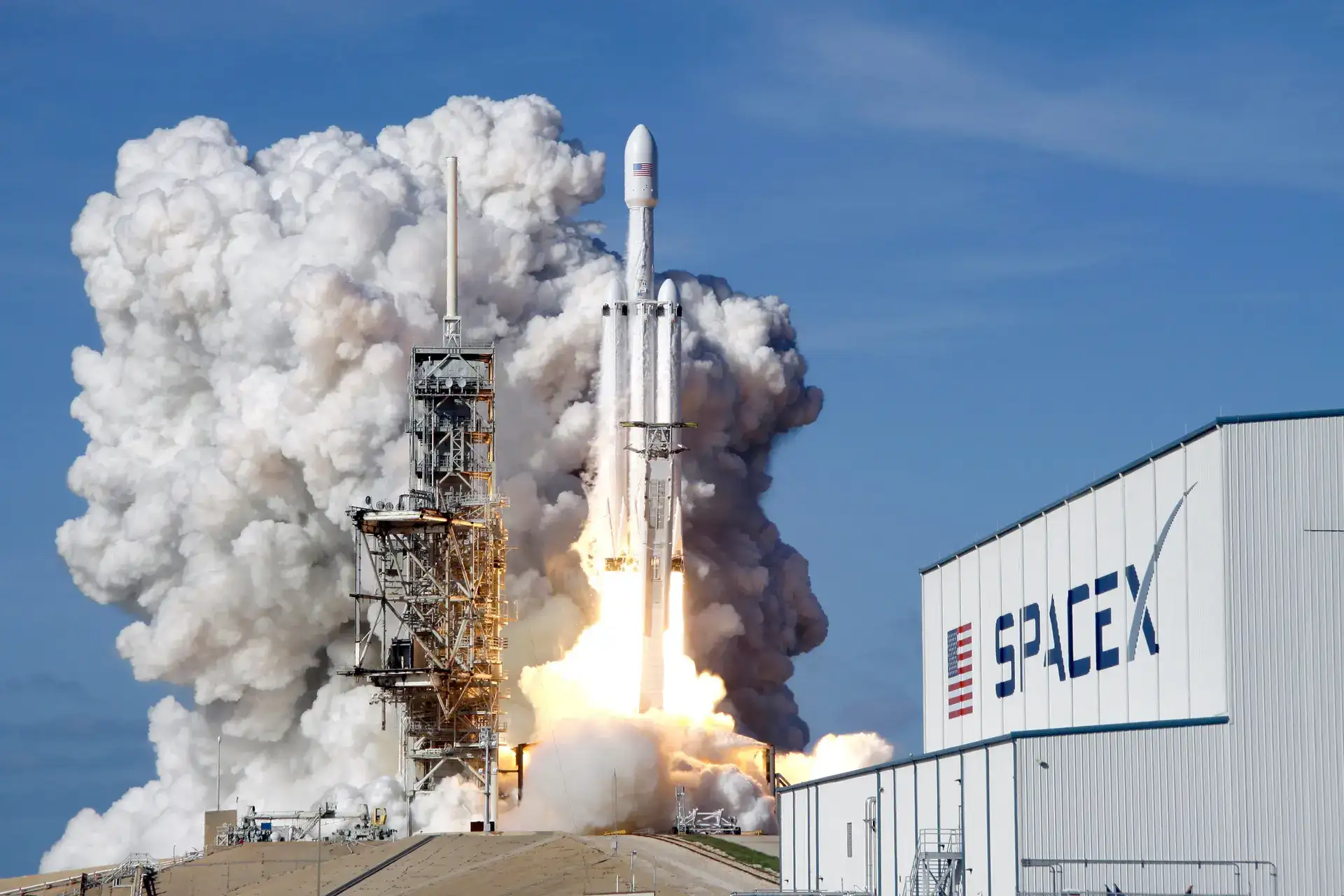
After raising $75 billion in the biggest-ever IPO in history, SpaceX began trading at $150 per share in June, marking an 11% premium to its IPO price of $135. After listing, the shares of the company sharply surged more than 50% in just three sessions. The shares of the Elon Musk-led company now have fallen around 46% since then to a record low of $108.37 apiece.
However, the stock may see some more strong selling ahead after IPO lockup expiries, freeing up several shares for trade. As many as 911.5 million shares will become eligible for trade this month, potentially putting more pressure on the price, Bloomberg reported.
Also read | AI bubble gone bust? Once a billionaire, how AI investor Leopold Aschenbrenner lost most of his hedge fund’s fortune in days
Tesla also contributes to Musk's wealth erosion
While SpaceX’s stock selloff is grabbing the headlines, it is not the only contributing factor to Musk’s wealth erosion. Tesla shares have crashed 17% since it released second-quarter results on July 22. Elon Musk's EV maker failed to meet profit estimates for the first time in more than two years and reported a negative free cash flow as the company accelerated its AI spending and robotics ambitions.
World’s richest man and Tesla CEO Elon Musk plans to spend more than $25 billion this year, which is almost triple of what it spent last year, as he bet on Tesla's AI-powered self-driving technology, robotaxis and humanoid robots over its core revenue generator, the auto business.
Tesla's profitability was hurt by higher operating expenses due to AI, lower average selling prices and weaker regulatory credit revenue despite a rise in vehicle deliveries, the company said on Wednesday.
"This is a massive capex year, but I am confident that all the things that we are investing in will yield incredible returns," Musk told analysts on a post-earnings conference call. Investors are now increasingly turning their attention to Musk’s push into self-driving technology and robotics, with the company expanding its unsupervised robotaxi services.
Also read | Tesla earnings disappoint Wall Street as Elon Musk’s AI push, pivot beyond cars hurt profits