ETMarkets Smart Talk | AI and semiconductors remain the best global investment themes today: Niteen Dongare



NSE's proposed IPO could value the exchange at around Rs 5 lakh crore, making it one of India's most valuable listed financial institutions. Centrum outlines two scenarios that could shape post-listing performance, with...

Despite the Sensex slipping 0.4% over the five trading sessions that ended June 25, several small-cap stocks extended their winning streak. Pearl Global Industries, TV Today Network and SKF India were among the top perf...

Legendary investor Philip Fisher championed a qualitative approach to stock picking, emphasizing exceptional businesses with strong management and durable competitive advantages. His 15-point checklist, still relevant t...

Noida-Greater Noida is rapidly becoming a prime healthcare hub in North India, fueled by population growth and corporate expansion. Despite increasing capacity, the region faces a significant shortage of super-specialty...
Indian stock markets concluded the week with modest gains, as Sensex and Nifty erased earlier surges on monthly expiry day. Analysts observe Nifty's consolidation, with key support at 23,750-23,800 and resistance at 24,...

Treasury yields dipped Friday as falling oil prices, linked to increased Strait of Hormuz shipments, sparked hopes of easing inflation. While the Federal Reserve remains watchful of price pressures, traders are assessin...

European markets retreated from record highs Friday, with tech stocks mirroring global weakness. Zalando shares plunged after a German probe into its accounts, impacting the retail sector. Investors grappled with AI's u...
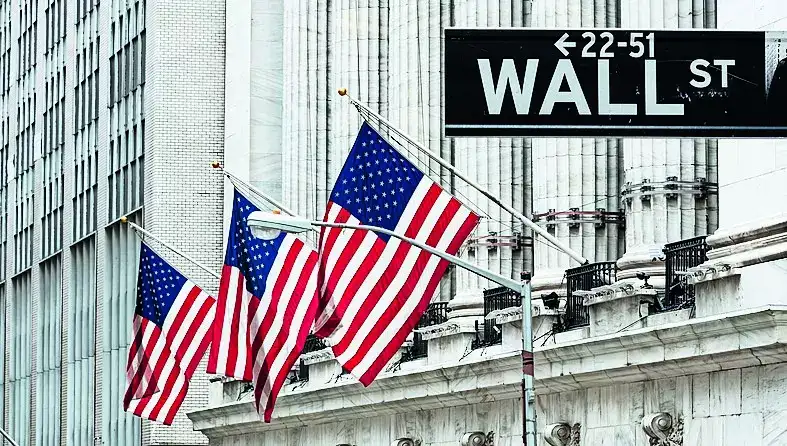
Upcoming jobs data could signal a strong U.S. economy, potentially leading to interest rate hikes and stock market jitters, especially for tech shares. While major indexes are set for a solid first half, recent volatili...
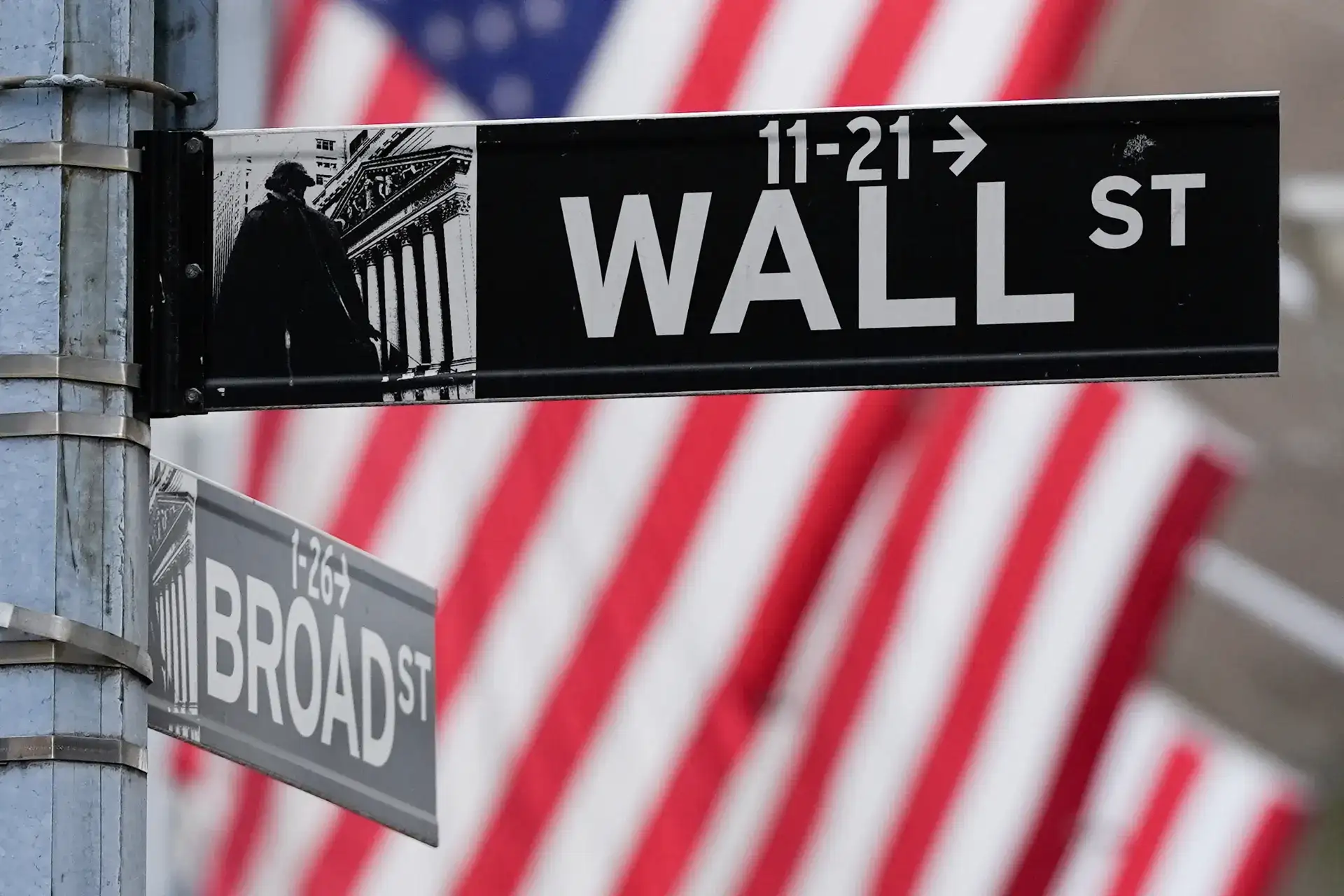
Wall Street ended lower on Friday, with AI chip stocks experiencing a significant downturn while Moderna and other healthcare companies surged. Investors are weighing the long-term potential of AI against concerns about...
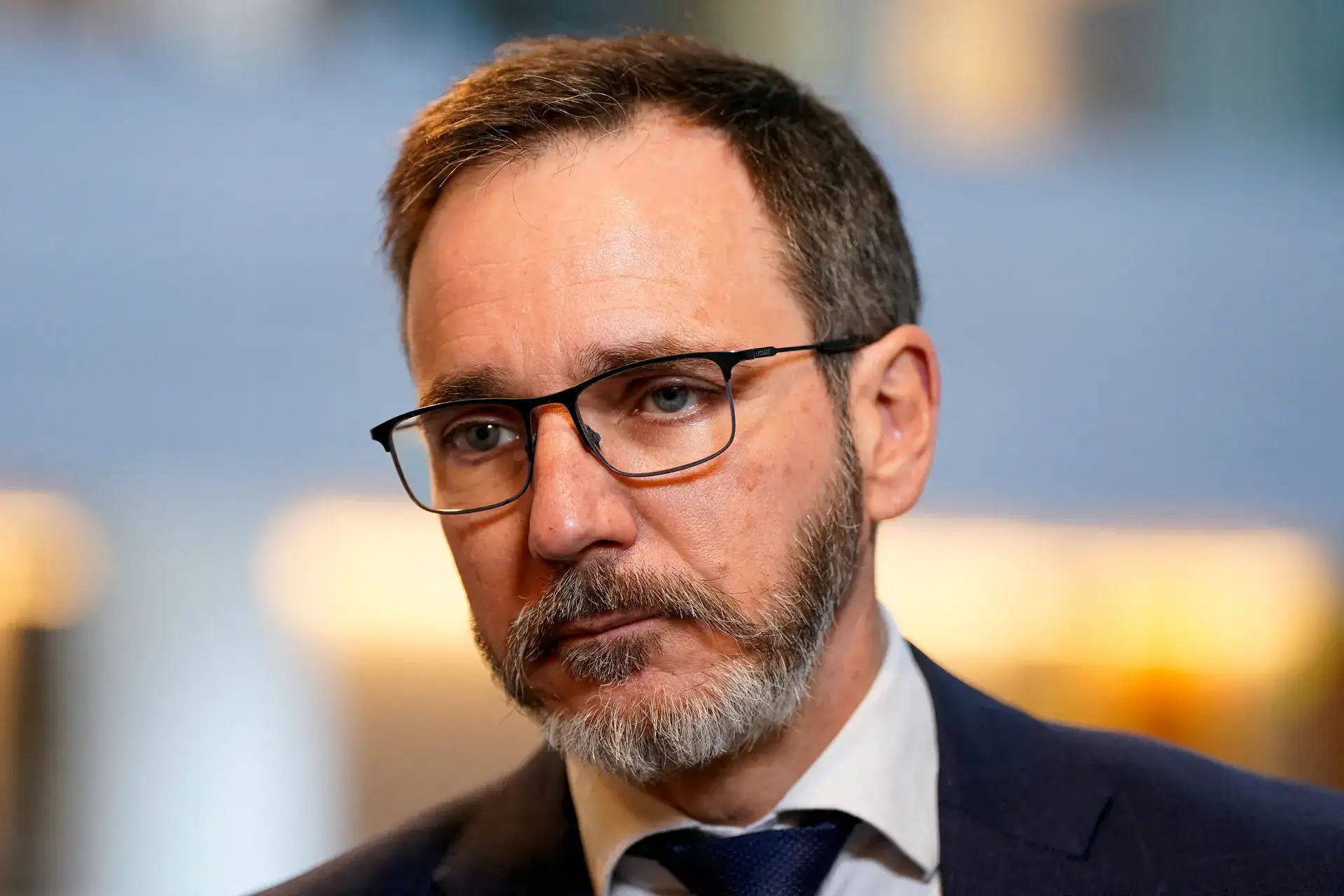
The IMF's chief economist, Pierre-Olivier Gourinchas, has endorsed Federal Reserve Chair Kevin Warsh's move to reduce explicit forward guidance on monetary policy. Gourinchas stated that overly rigid guidance proved cos...

Silver Consumer Electricals, renowned for its pumps and motors, has successfully raised Rs 150 crore through a pre-IPO secondary share sale. A 2.59% stake was sold by a promoter group member to investor Riyaz Suterwala,...
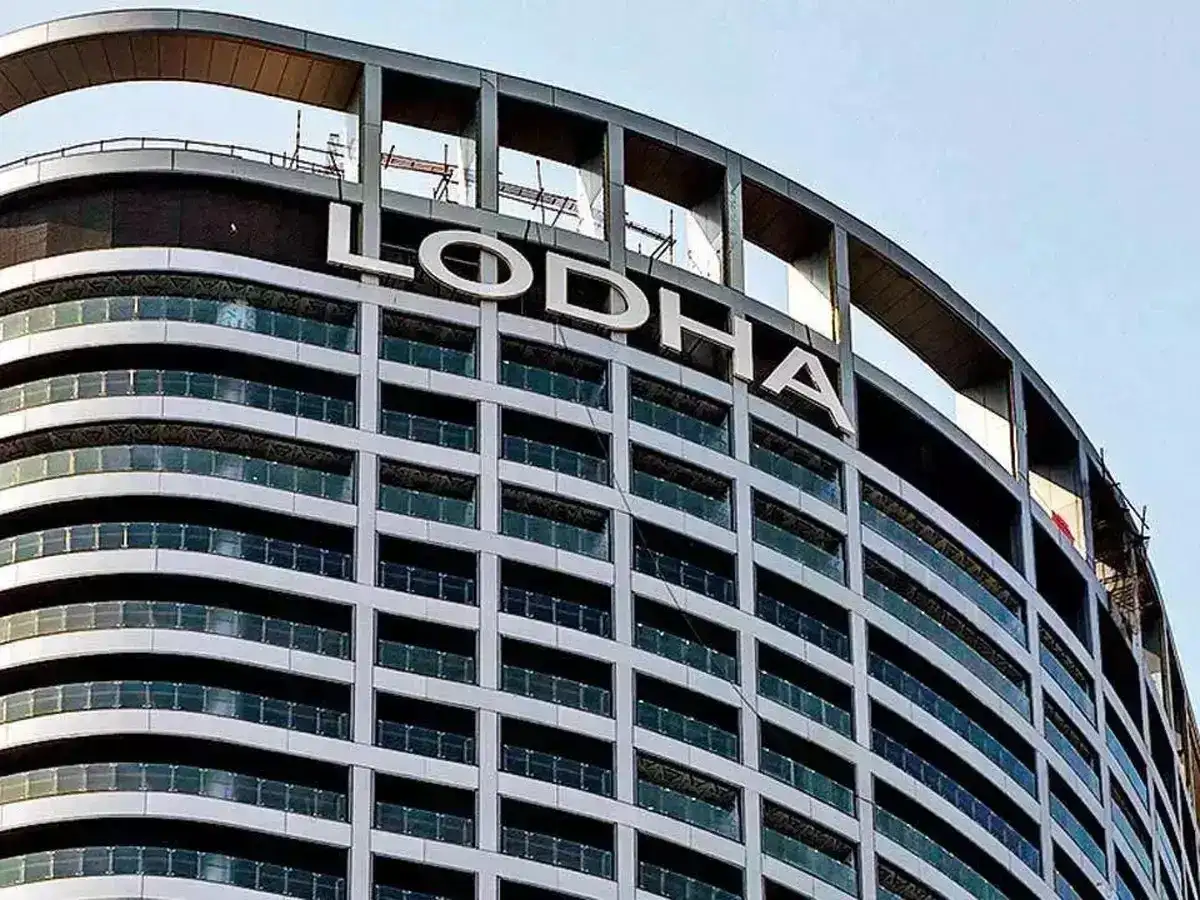
Fidelity Investments has strategically acquired a 2% stake in Lodha Developers, amounting to Rs 1,864 crore, through open market operations. The acquisition involves nearly 2 crore shares purchased from promoter entitie...