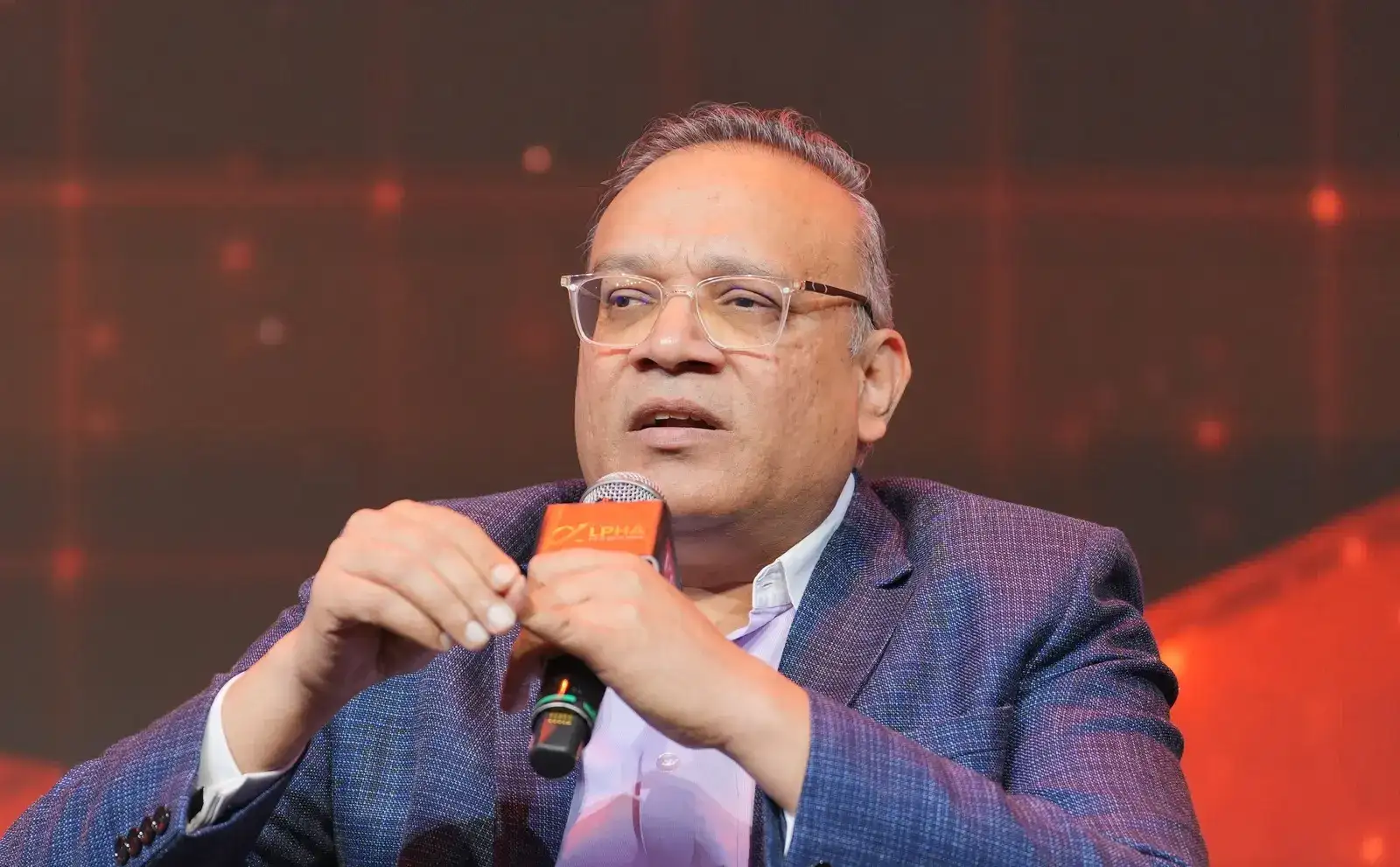

Lower crude prices, improving macroeconomic conditions and a stronger rupee could create a favourable backdrop for Indian equities, even as global markets grapple with valuation concerns linked to AI and semiconductor-driven exuberance, according to Deepak Shenoy, Founder and CEO of Capitalmind AMC.
With a tentative US-Iran peace framework easing geopolitical concerns and helping cool oil prices, investors are reassessing market opportunities across sectors. Speaking to ET Now, Shenoy said India appears better positioned than many global markets, although near-term earnings growth could remain subdued.
Global AI Euphoria Faces Reality Check
Shenoy pointed out that while markets globally remain excited about artificial intelligence and semiconductor-related themes, investors should remain mindful of changing economics in the sector.
According to him, many of the current trends resemble supply-driven dynamics seen in commodities such as crude oil. Just as additional supply can quickly ease price pressures in oil markets, semiconductor shortages may eventually normalize, affecting valuations.
"The unlimited token economy is probably not unlimited anymore if you consider companies trying to restrict or keep their token usage to a more controllable level," Shenoy said.
He noted that businesses, including smaller Indian firms, are increasingly monitoring AI-related costs and turning to open-source models with significantly lower token expenses. These changes could alter the economics of the sector over the next six months.
Shenoy also cautioned that newly listed technology companies could face valuation pressure once lock-in periods expire and early investors gain liquidity. Historically, he said, major IPOs have often coincided with temporary peaks in market enthusiasm.
India Could Benefit From Falling Oil and Lower Inflation
Despite global uncertainties, Shenoy sees several domestic tailwinds emerging for India.
He highlighted the sharp decline in crude oil prices, moderation in inflation expectations and the recovery of the rupee from recent lows as factors that could support corporate earnings in the coming quarters.
"The rupee is now 94 and from nearly 97 a few weeks back, there is some kind of respite that will probably impact earnings positively from the December quarter onwards," he said.
While he expects the next two quarters to remain relatively dull from an earnings perspective, Shenoy believes India has corrected relative to foreign markets and now appears to have stronger macroeconomic support.
Base Metals Poised for Structural Demand Growth
On the metals sector, Shenoy differentiated between precious metals and industrial metals.
He believes precious metals may offer limited upside if inflation remains under control, despite a recent revival in demand from key markets such as Dubai.
Base metals, however, continue to enjoy support from a global capital expenditure cycle. Investments in infrastructure, manufacturing and industrial capacity across India and other regions are expected to sustain demand for metals such as copper and aluminium.
"There is a lot more capex happening in the world. So copper, aluminium and things like that will see a lot more demand coming forward more structurally," Shenoy said.
He expects supply additions to take another year to eighteen months before they meaningfully affect pricing, allowing metal prices to remain firm in the near term.
Oil-Sensitive Sectors May Gain as Crude Retreats
Shenoy maintained that oil prices are likely to trend lower over time despite ongoing volatility.
While geopolitical headlines may continue to create short-term fluctuations, he believes there is little appetite among the involved parties to prolong conflict. A resumption of shipping activity and improving supply conditions could gradually push crude prices lower.
As a result, sectors sensitive to fuel costs may see margin improvement later in the year after facing near-term pressure.
He also noted that lower fuel prices could eventually benefit logistics, agriculture and consumer sentiment, creating broader economic advantages.
Pharma and Healthcare Offer Different Opportunities
Discussing healthcare-related investments, Shenoy drew a distinction between pharmaceutical companies and hospital operators.
He said pharmaceutical exporters stand to benefit from currency movements and regulatory developments in overseas markets. However, increased scrutiny from the US Food and Drug Administration remains a potential risk.
"It is a good long-term story here," Shenoy said, referring to the pharmaceutical sector.
Healthcare services, meanwhile, represent a domestic consumption theme that has gained momentum since the pandemic. Rising healthcare awareness, expanding service offerings and increasing penetration across regions continue to support long-term growth prospects for hospitals.
"The broad hospital space is a very interesting space to be in longer term at the right prices," he said.
However, Shenoy cautioned that valuations across several healthcare names remain elevated and investors should remain selective.
Vedanta Demerger Highlights Value-Unlocking Potential
Commenting on Vedanta’s newly listed demerged entities, Shenoy refrained from discussing individual stocks but expressed support for the broader demerger strategy.
According to him, separating businesses with different capital requirements, margin structures and growth profiles allows investors to evaluate them more accurately. Demergers also improve transparency around balance sheets and debt allocation.
"In general, demergers unlock value," Shenoy said.
He suggested that several large Indian conglomerates with diverse businesses could potentially benefit from similar restructuring exercises in the future, as standalone entities are often easier for investors to value and assess.
While acknowledging near-term earnings challenges and continued global volatility, Shenoy remains constructive on India's medium-term prospects. Falling crude prices, improving macroeconomic indicators, a recovering currency and structural growth opportunities across sectors such as metals, healthcare and manufacturing could provide support to domestic equities in the months ahead.
For investors, the message appears clear: while global markets may be confronting fresh valuation questions, India's relative strengths are becoming increasingly difficult to ignore.