
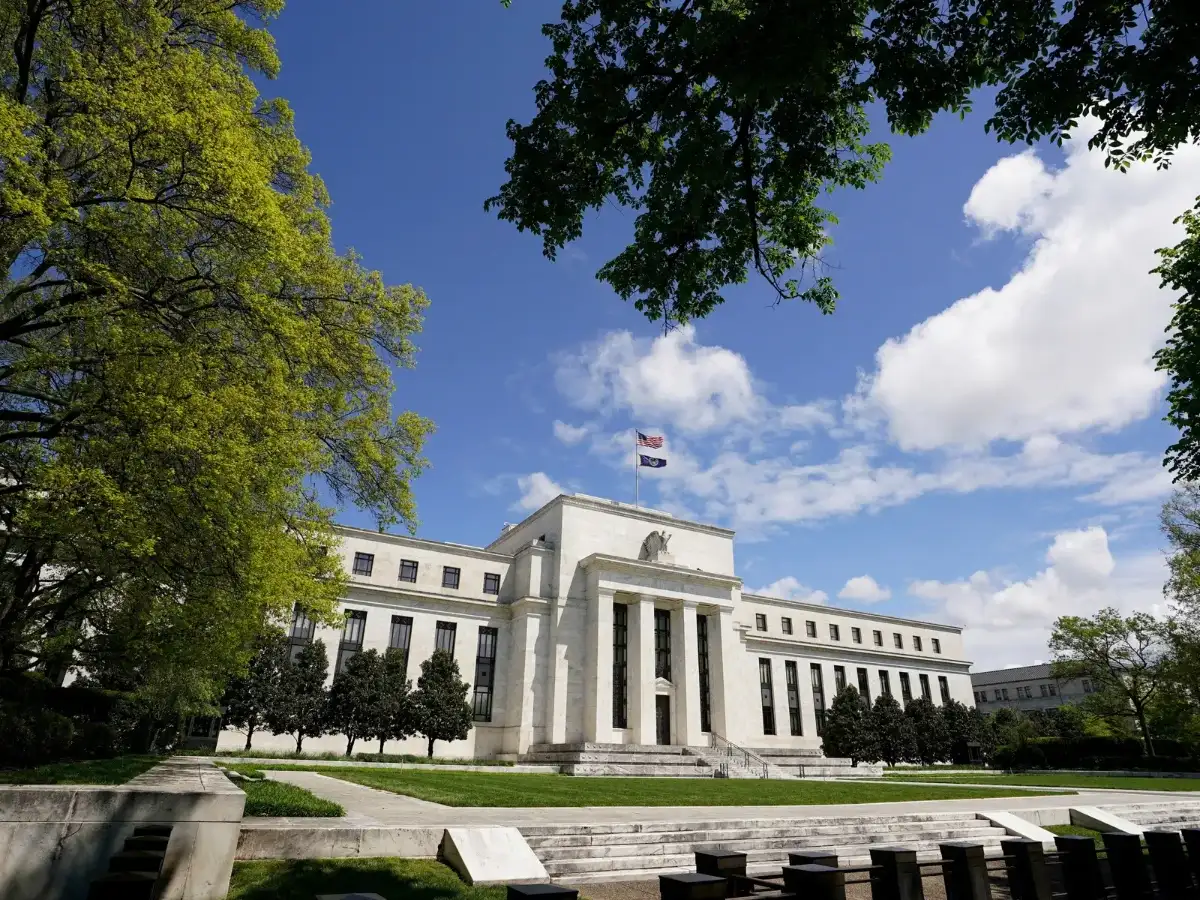
Dallas Federal Reserve President Lorie Logan on Thursday became the first of Fed Chairman Kevin Warsh's new colleagues to call publicly for an interest-rate hike, laying the groundwork for a possible dissent at the central bank's next rate-setting meeting in just under two weeks.
"Inflation has been too high, for too long, and does not appear to be on track all the way back to 2%," Logan said in remarks prepared for delivery in Houston. "I currently believe modestly higher interest rates would better balance the outlook and risks for the FOMC's maximum employment and price stability goals."
Logan's concerns are emblematic of a growing minority at the Fed who feel that keeping short-term borrowing costs on hold is the wrong policy recipe when inflation risks, as Logan characterized them on Thursday, are to the upside and the labor market remains solid.
"The labor, consumption and financial data indicate that monetary policy is not restraining the economy," Logan said. "If higher inflation becomes entrenched, we'd need sharper rate increases to bring it back to target, with a larger cost for the labor market. Better modest restriction now than severe restriction later."
Consumer price inflation did moderate a bit in June, Logan noted, but suggests only a "tenuous" path back to the Fed's 2% goal. "It is more a hope than a likelihood," Logan said. "It is time to finish the job of restoring price stability."
Risks on inflation are mounting, she said, from newly reignited hostilities in the Middle East that threaten to reverse recent relief on fuel prices, to the potential for the surge in AI investment to trigger explosive price pressures more broadly.
AI and other new technologies, she said, may "eventually" generate productivity gains that will boost supply and thus push down on prices. "But the potential size and timing of those gains are uncertain," Logan said. "The demand effects are here already. And when demand outstrips supply, the result is higher prices." Warsh became central bank chief in May, and at his first meeting in June, despite a few who saw the case for a rate hike, all his fellow policymakers supported the decision to keep the policy rate in its current 3.50%-3.75% range.
That unity may be fraying, setting the stage for a bigger "family fight" -- as Warsh likes to call the Fed's internal debates -- when policymakers convene in Washington July 28-29. (Reporting by Ann Saphir; Editing by Andrea Ricci)