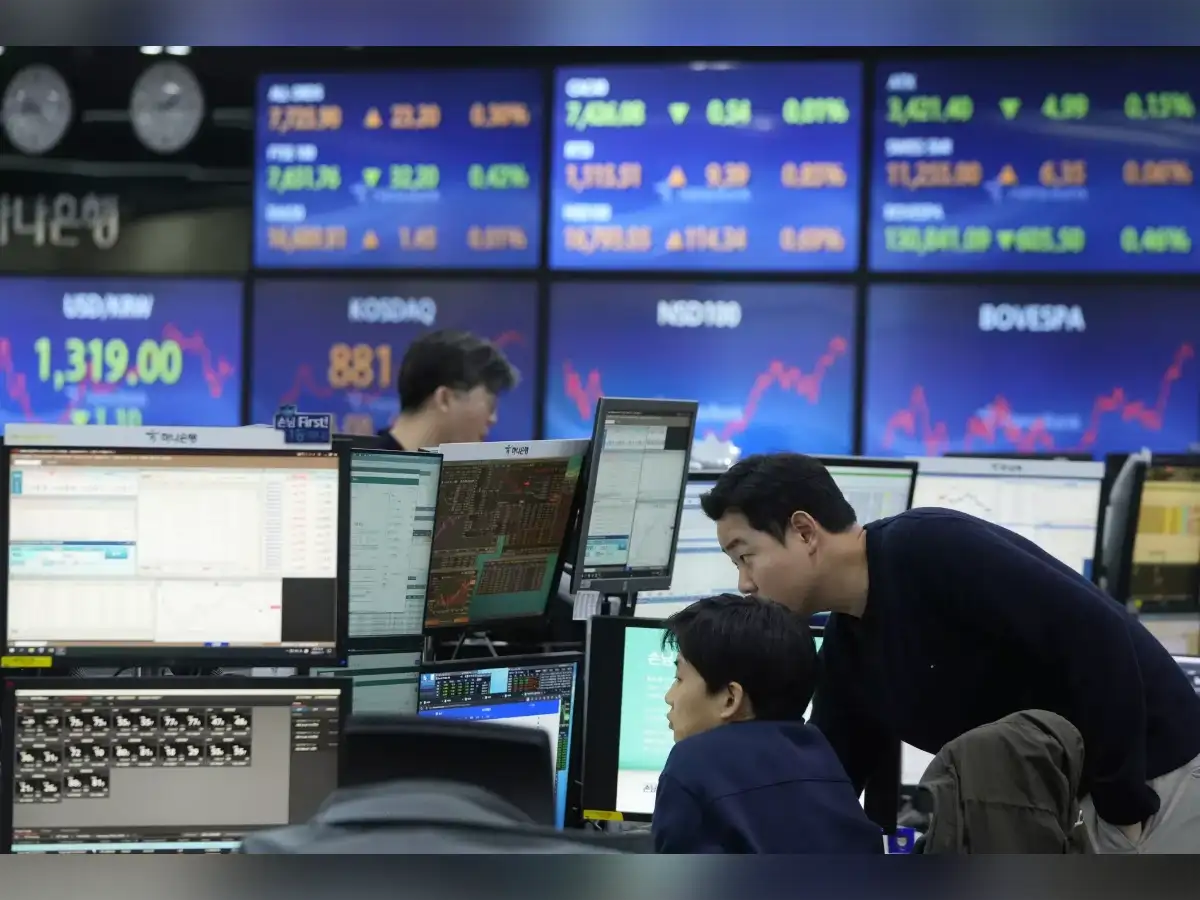
Asian stocks dropped as a selloff in semiconductor shares extended, while elevated bond yields and rising oil prices weighed on sentiment.
MSCI’s Asia Pacific equities benchmark slid over 1%, with shares in South Korea plummeting almost 6%. Technology shares were weaker with chip bellwethers Samsung Electronics Co. and SK Hynix Inc. both declining around 7% on Wednesday after a closely watched US gauge of semiconductor stocks sank 5%. Contracts for the Nasdaq 100 Index edged lower after the underlying gauge slid 1.7%.
While Treasuries edged higher by the close of trading Tuesday, 10-year yields remained near the highest levels since early 2025. Earlier in the session, the 30-year yield had climbed to levels last seen in 2007 amid a global bond selloff.
Read more: Strong IPO gains stoke FOMO fears, set grey market abuzz
Elsewhere, Brent crude rose 0.3% to $91.30 a barrel, with the US and Iran stuck in a deadlock over control of the Strait of Hormuz. Gold extended its losses, trading just below $4,340 an ounce.
“With the outlook for the Middle East remaining uncertain and yields staying elevated, markets are likely to remain in risk-off mode today,” said Kazunori Tatebe, chief strategist at Daiwa Asset Management. “Higher yields will increase borrowing costs for hyperscalers, raising questions about the outlook for capital spending and the potential impact on AI infrastructure companies.”
Investors retreated from growth stocks as longer-term bond yields hovered near multi-decade highs, driven by concerns over persistent inflation, heavy government spending and a flood of debt issuance. Geopolitical turmoil is adding to the pressure by raising the risk of energy-driven supply shocks that may keep inflation and borrowing costs elevated for longer.
The US 30-year yield touched 5.34% Tuesday before retreating slightly to 5.28% at the close. The 10-year yield reached 4.75% on Tuesday.
Widening credit spreads, rising interest rates and a surge in supply all contributed to a softer high-grade funding backdrop Tuesday, prompting at least seven issuers to decide against announcing bond deals to the market.
“The combination of higher energy costs and higher long-term borrowing costs is becoming increasingly uncomfortable,” said Fawad Razaqzada at Forex.com. “Equity investors have finally started to respond by going a bit defensive.”
Investors are also reassessing the outlook for US monetary policy, with just over a third of traders now pricing in a Federal Reserve rate increase, up from last week.
Minutes from the Fed’s latest meeting are due Wednesday and may offer clues on policymakers’ thinking at a time when Chairman Kevin Warsh has scaled back communications.
“Markets are worried about, what’s the reaction function of the Fed?” Kay Herr, US chief investment officer for JPMorgan’s global fixed-income, currency, and commodities team, said on Bloomberg Television. “The market doesn’t really love the fact that we don’t have forward guidance,” Herr added, referencing the rally in yields.
Meanwhile, Middle East tensions intensified after the United Arab Emirates said two ballistic missiles fired from Iran toward the country fell into the sea, marking the Islamic Republic’s first known attack on the Gulf nation since May as the wider conflict dragged on.
“The Middle East uncertainty keeps the market on edge,” said Dan Pan, Americas economist at Standard Chartered. “Inflation risks have piled up on top of fiscal concerns, driving up US long-term yields. Risk sentiment generally remains cautious.”