
US equity-index futures climbed after reports the US and Iran backed away from a fresh escalation of their conflict, easing concerns over the fragile ceasefire underpinning peace talks.
Contracts for the S&P 500 Index climbed 0.5% and those for the tech-heavy Nasdaq 100 rose 0.6%. The gains came after the US and Iran agreed to halt strikes and meet this week in Qatar to resume talks over the Strait of Hormuz and other issues to end the war, Axios reported, citing an unidentified US official.
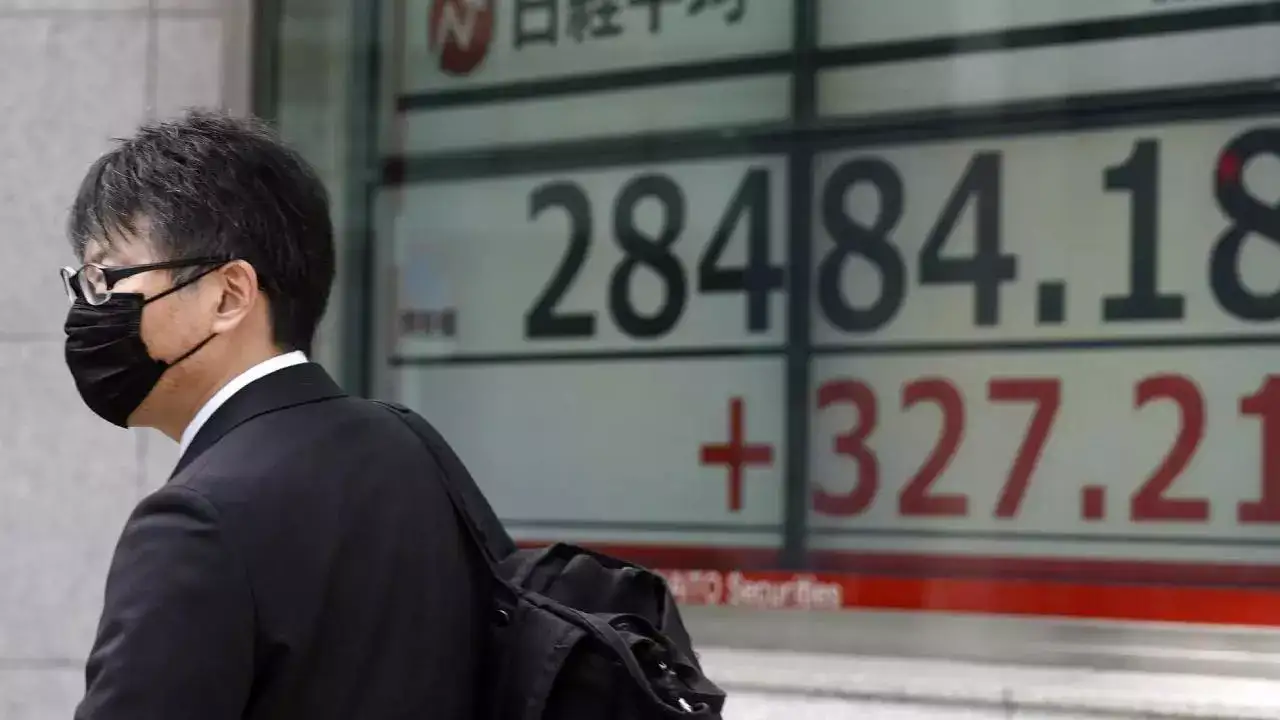
Asian shares slipped 0.2% in early trading. South Korea’s Kospi Index, the world’s best-performing major stocks gauge this year, fell 1.6% with investors focused on Monday’s planned unveiling of a sweeping growth strategy.
Even so, a sense of caution prevailed as Brent crude jumped as much as 1.9% to over $73 a barrel, before paring gains to trade around $72.10. The Middle East conflict had intensified since Thursday, with Iran striking a container ship, a vessel carrying Qatari oil, and military bases in Kuwait and Bahrain, prompting multiple US retaliatory strikes.
Treasury futures edged lower with Australian and New Zealand bonds as higher oil prices rekindled inflation concerns. The dollar was steady against its major peers, while gold dropped 0.8% to $4,055 an ounce.
Hopes for a lasting peace between the US and Iran and optimism over the tech trade have put global stocks on track for their best quarter since 2020. While a strong first half is typically a good sign for the rest of the year, investors are grappling with a series of risks, from the durability of the artificial intelligence trade to the threat of rising interest rates as well as accelerating government spending.
“The stock market seems to believe that President Trump has no choice but to make concessions as the midterm elections approach,” said Shoji Hirakawa, chief global strategist at Tokai Tokyo Intelligence Lab. “Investors see the exchange of attacks between the US and Iran as temporary and do not believe the situation will escalate into another war.”
Attention in Asia on Monday will be on South Korea. Samsung Electronics Co. and SK Group are set to announce major investment plans alongside the policy initiatives. The two groups’ investments may total over $1.3 trillion over the next 10 years, Korea Economic Daily reported.
This week, traders will be focused on the annual central banker confab at Sintra, Portugal with speakers including Federal Reserve Chair Kevin Warsh. A series of US jobs reports, including the key nonfarm payrolls, will also be in focus as expectations mount a resilient US economy and inflation pressures may spur the Fed to hike interest rates as early as September.
While Warsh may walk back some of his hawkish rhetoric at Sintra and weigh the dollar, it’s likely “to grind higher in coming weeks because of the ‘US exceptionalism’ narrative,” Commonwealth Bank of Australia strategists including Joseph Capurso wrote in a note to clients.
“A strong and strengthening labor market is a recipe for higher US interest rates and US dollar,” they added.
There may be other concerns too. A sharp correction the AI-driven rally, inflation and fiscal stress are among the most alarming threats to global prosperity at present, the Bank for International Settlements warned in its annual report Sunday.
In its annual report published on Sunday, the Basel-based institution cited those on a list of “pressure points” that currently “demand attention,” with underlying financial vulnerabilities lurking that could amplify any shock.
“The global economy remains caught in the crosscurrents of progress and peril,” Basel officials said in the report. “Resilience is being increasingly tested and strained.”