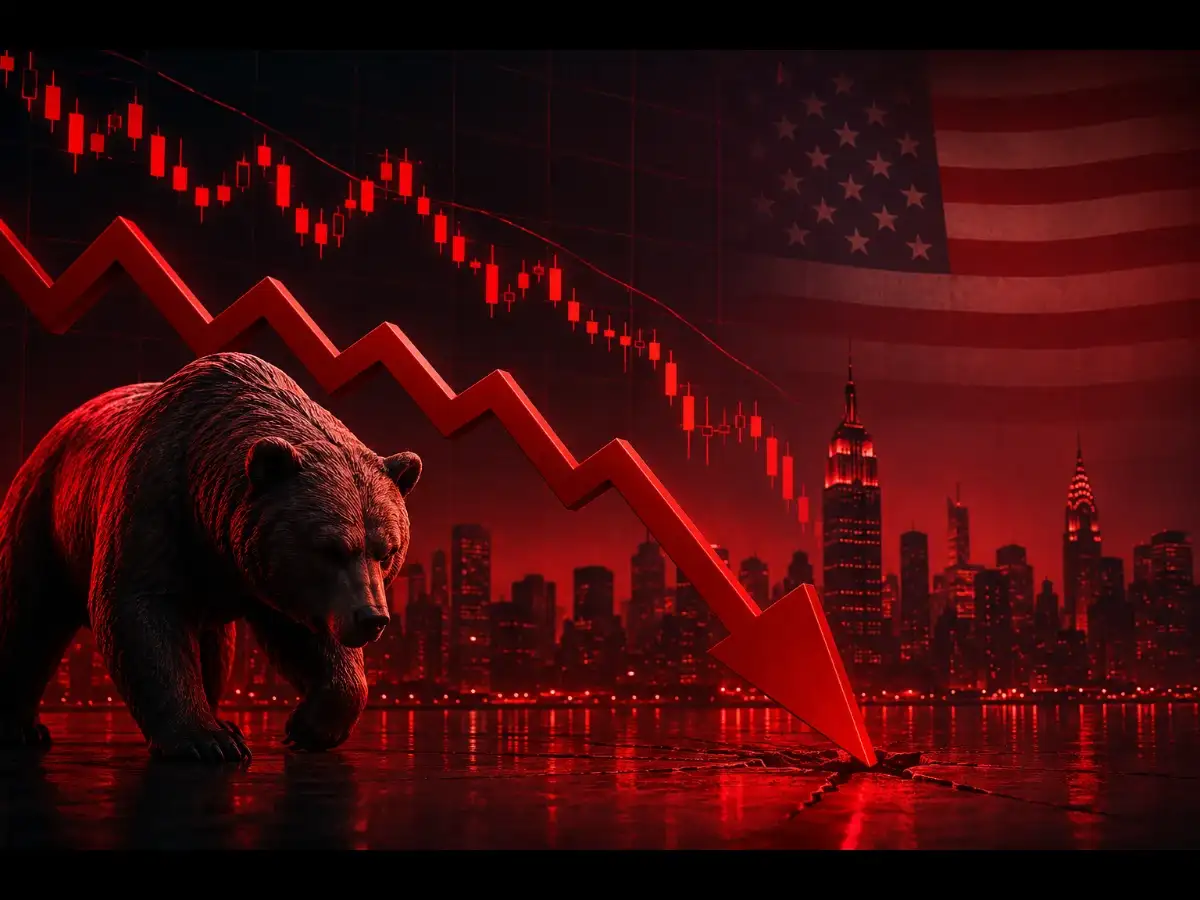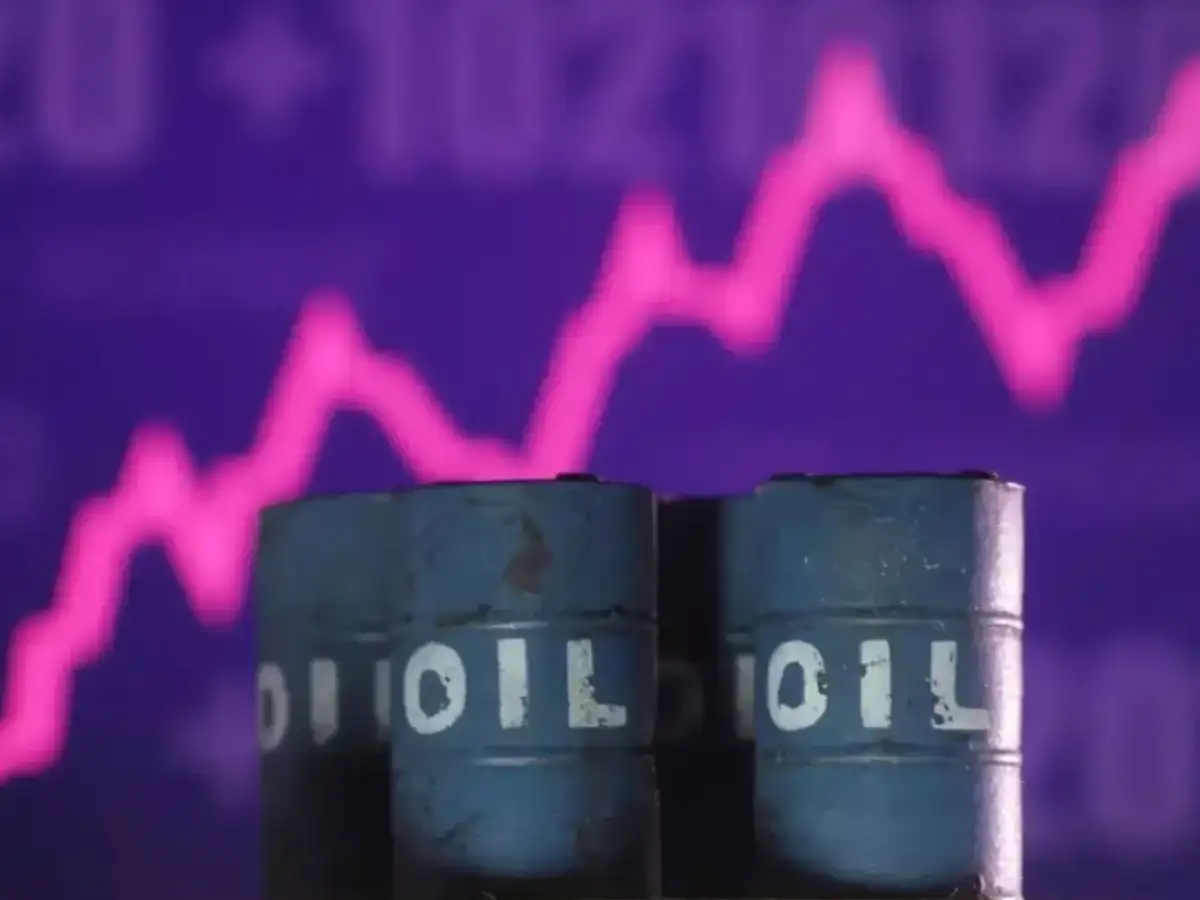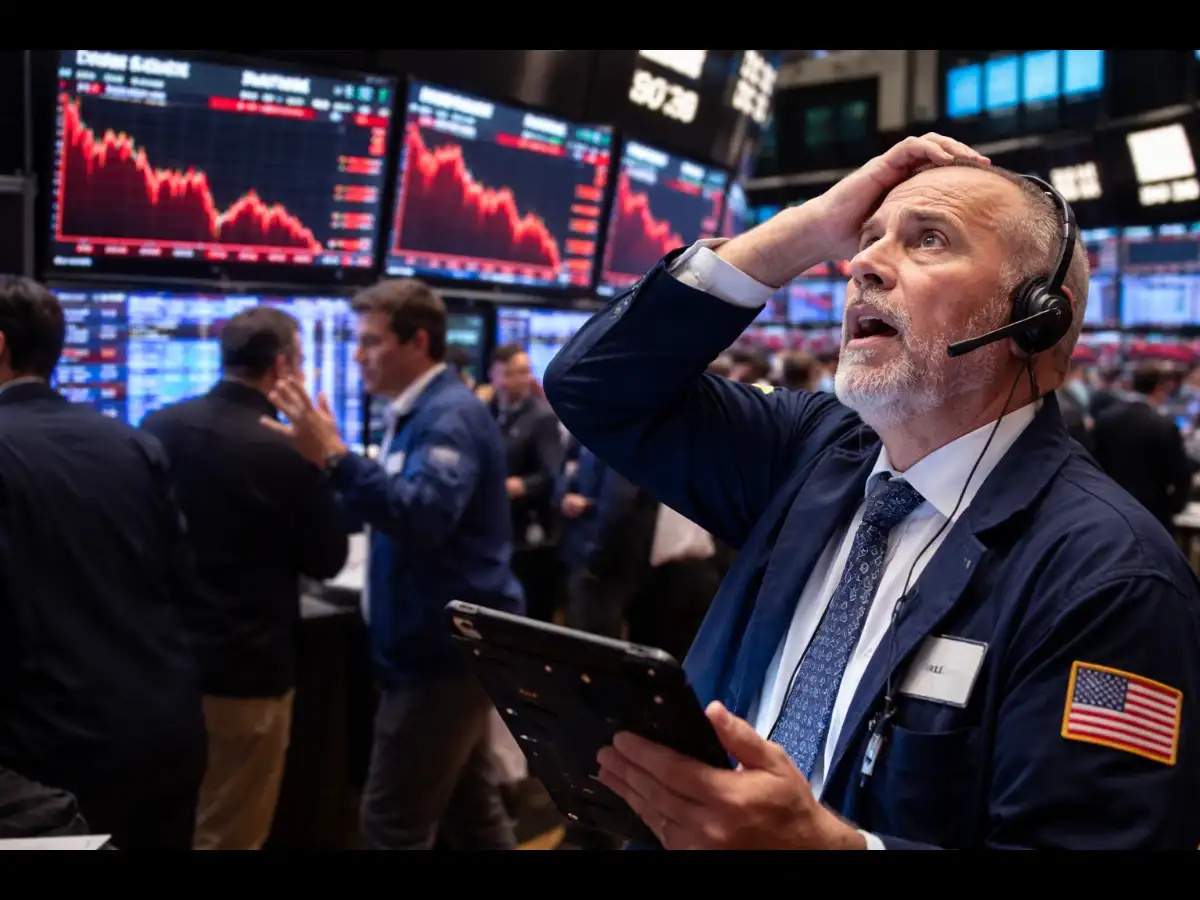
Asian stocks traded lower after a selloff in US semiconductor shares as concerns grew that the pace of artificial intelligence development may slow. Oil extended its rally and gold declined.
MSCI’s Asia Pacific equities gauge slipped 0.1%, with benchmarks in Japan and South Korea edging lower. The move followed a retreat on Wall Street on Monday, where the Philadelphia Semiconductor Index tumbled 5.9% — its biggest drop in more than two months — with Nvidia Corp. and Intel Corp. among the decliners.
Read more: US 10-year yields reach 5%, highest since October 2023
Adding to the pressure was a rise in oil prices, with Brent advancing 0.7%. The benchmark 10-year Treasury yield hovered around 5% in early Asian trading after briefly breaching that level Monday for the first time since 2023.
Gold fell over 1% in the last session to about $4,300 an ounce, while a Bloomberg gauge of the dollar posted its biggest jump in more than two months.
Global stocks retreated Monday after leading AI developers proposed slowing advances in the field, hitting semiconductor companies that provide the infrastructure underpinning the boom. Meanwhile, a surge in oil revived inflation concerns ahead of Wednesday’s Federal Reserve decision, with traders pricing in a 95% chance of an interest-rate increase.
“There’s already quite a bit of nervousness in the market and if you’ve got some of the major players now saying: hang on, we need to slow down a little bit, that adds to uncertainty,” said Chris Armstrong, a strategist at Berenberg. He added that the shift could send AI stocks 10% to 15% lower.
A 3,800-word missive by Anthropic PBC Chief Executive Officer Dario Amodei — which was endorsed by OpenAI CEO Sam Altman and SpaceXAI CEO Elon Musk — said development of the most advanced systems must be slowed in order to prevent AI slipping beyond human control and inflicting catastrophic harm.
US President Donald Trump attacked Anthropic’s chief for urging a slowdown in AI development, intensifying his opposition to new guardrails. He blamed a “SICK conspiracy” for voter backlash against AI data centers and growing concerns over frontier models, adding that “the only one that is happy about it is China.”
Chinese officials on Monday dismissed US tech leaders’ calls to slow AI development on safety grounds as “fearmongering” and rejected claims that China’s advances pose a global security threat.
In other corners of the market, shares of Goldman Sachs Group Inc., Morgan Stanley and other banks fell in New York trading after Bank of America Corp. Chief Executive Officer Brian Moynihan said trading revenue will be “relatively flat” compared with last year’s third quarter.
Meanwhile, the bond selloff reflected broader pressure on long-term borrowing costs across major developed markets, with a gauge of global government yields still at elevated levels.
Widening fiscal deficits, heavy debt issuance and financing for AI investment are prompting investors to demand greater compensation for holding longer-dated debt.
“There are a lot of underlying factors that make for a sustained selloff in rates as the path of least resistance for now,” said Zach Griffiths, head of investment-grade and macro strategy at research firm CreditSights. Ten-year yields could rise toward 5.5%, he said.
The recent rout in the bond market has increased the stakes for Fed Chair Kevin Warsh going into the central bank’s policy announcement on Wednesday.
Treasury yields serve as a benchmark for borrowing costs across the economy and as a discount rate for valuing future corporate profits. As yields rise, those earnings become less valuable in today’s terms, putting pressure on stock valuations.
That risk is growing as yields approach levels that some investors see as a threat to equities near record highs. Higher bond returns may also lure investors away from stocks, challenging a rally powered by strong AI profits and a resilient economy.
“If you saw bond yields move to the 5% or 5.25% level I think that’s where you will see some indigestion from the equity market,” said Grace Peters, global head of investment strategy at JPMorgan Chase Private Bank. “5% psychologically has an impact.”