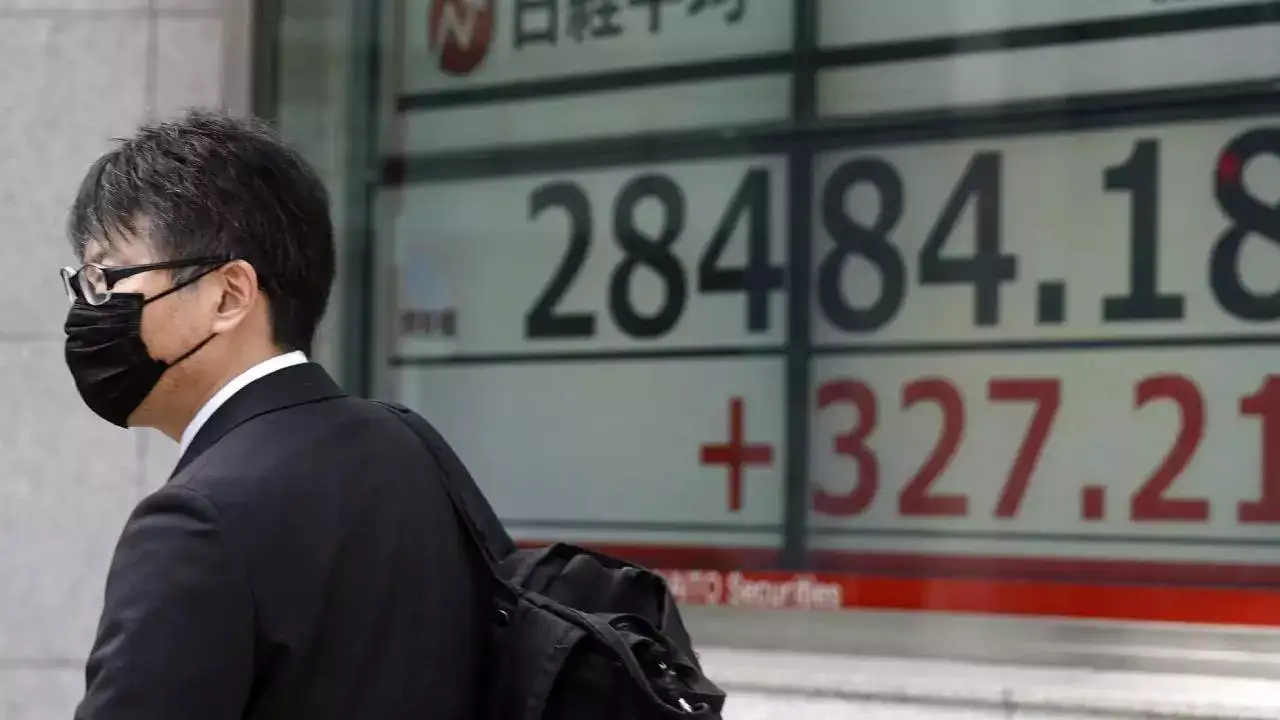
Asian stocks tracked Wall Street higher as renewed enthusiasm for the artificial-intelligence trade drove the S&P 500 to a ninth day of gains. The yen traded close to the 160-per-dollar level.
Stocks rose in Japan and Australia, with South Korean markets shut for a holiday. The MSCI Asia Pacific Index climbed 0.2%. On Tuesday, the S&P 500 Index closed at an all-time high after notching its longest winning streak since May as a gauge of chipmakers surged nearly 6%.
A sense of caution came as Brent crude rose 0.8% to $96.75 a barrel, amid reports of missile strikes. US forces defeated multiple Iranian ballistic missiles and drones, and conducted self-defense strikes on Qeshm Island in response to attempted attacks by Iran across the Middle East on June 2, according to a statement from the US Central Command.
The dollar also strengthened against all its Group-of-10 peers. Bitcoin slid to around $66,700.
During the US session, Treasuries retreated from near their best levels of the past month as the first of three labor-market reports this week backed wagers that the Federal Reserve’s next move will be to raise interest rates.
Investors piling into AI-linked stocks have propelled global equities to record highs, with hopes for a deal to end the war that has rattled markets worldwide providing an additional boost. Traders have looked past concerns about elevated valuations, betting that strong earnings growth and easing geopolitical tensions will continue to support risk assets.
“Tech continues to dominate the market,” said veteran strategist Louis Navellier. “The trend remains positive, with the catalyst for further material gains possible with a resolution with Iran.”
Focus in Asia is on the yen as traders awaited Bank of Japan Governor Kazuo Ueda’s planned speech for clues on the outlook for interest rates. Yen traders face a heightened risk of intervention over the next two weeks after Japan’s currency defied historic attempts to prop it up.
Meanwhile, President Donald Trump remained optimistic the US can reach an interim peace deal soon. He disputed reports in Iranian state media that said talks with Washington had been suspended over the fighting in Lebanon, saying the two sides have been “continuously” having conversations, including “today.”
Officials in Tehran are discussing their “final text” to send to the US, Iran’s Mehr news agency reported. The primary focus for the oil market remains the Strait of Hormuz, which handled about one-fifth of global oil and liquefied natural gas flows before the war began — with visible commercial traffic through the waterway remaining limited.
Even as businesses navigated rising energy costs sparked by the Iran war, US job openings jumped in April to the highest level in almost two years and layoffs fell, adding to signs the labor market remained resilient.
“The jobs market continues to hold its ground,” said Bret Kenwell at eToro. “There’s hope that energy prices will retreat after a geopolitically charged surge in the first quarter, allowing the Fed to stay on hold while inflation eases in the second half of the year. Pair that with rising earnings expectations, and it could help propel stock prices higher.”
A boom in stocks is being driven by an appetite for profit that’s outweighing fears about economic disruption and inflation risks, said Goldman Sachs Group Inc. Chief Executive Officer David Solomon.
“We are definitely in a moment where there’s more greed than there is fear,” Solomon said in an Economic Club of New York appearance Tuesday. “The capital is available.”
Elsewhere, Cliffwater LLC’s flagship private credit fund capped redemptions at 5% in the second quarter after investors looked to pull about 17% of shares, in a sign of enduring pressure on the $1.8 trillion market.