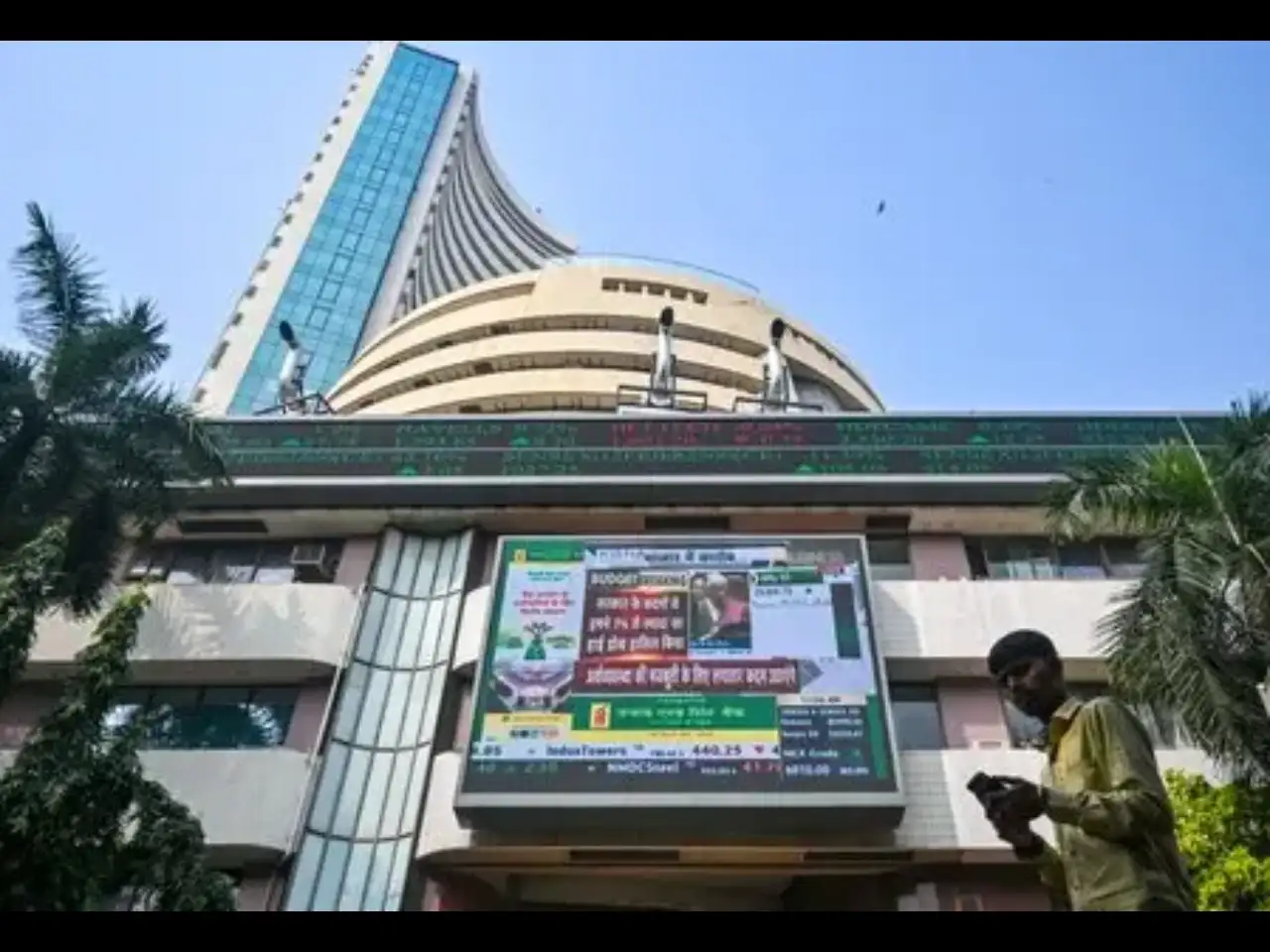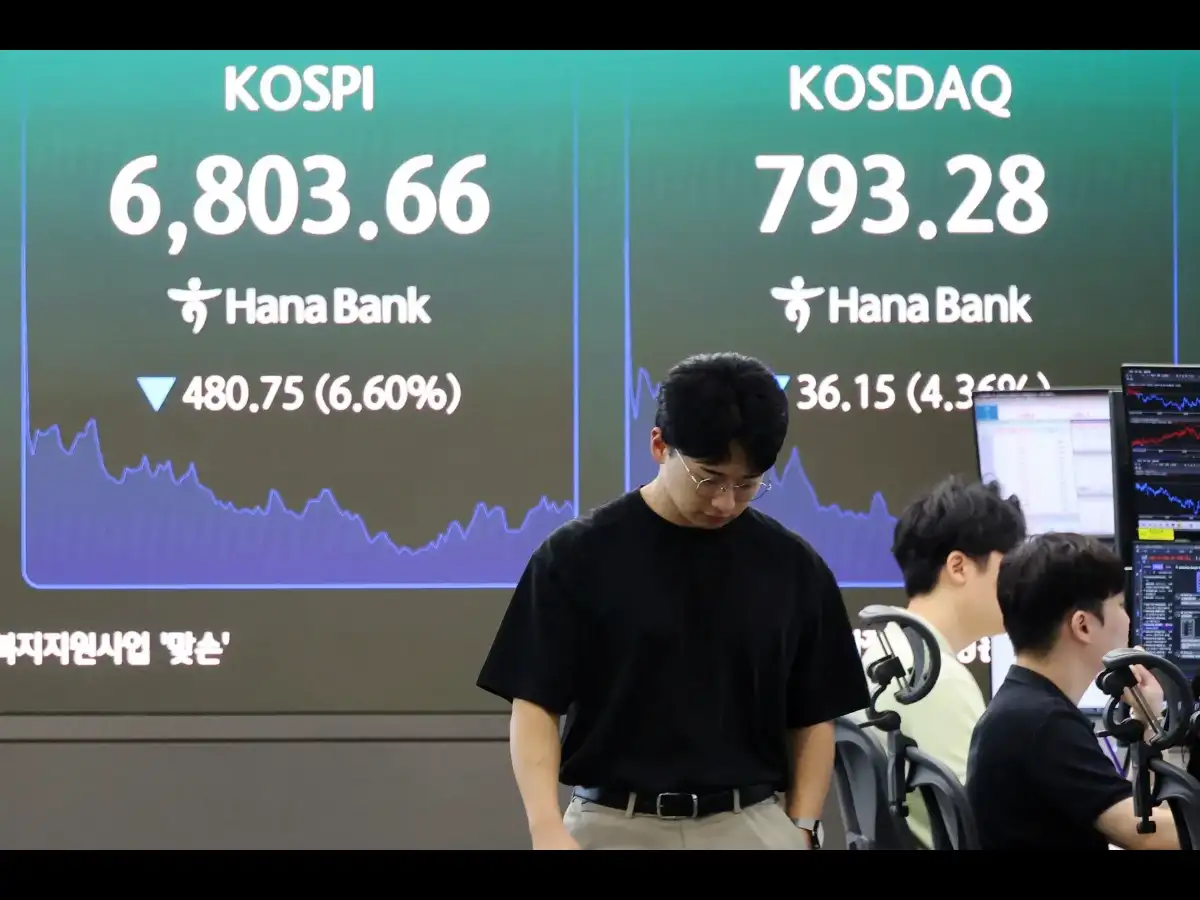
Asian stocks rose, tracking gains on Wall Street as investors pared bets on a Federal Reserve interest-rate hike this month. The yen held its biggest advance in more than a month.
MSCI’s Asia Pacific equities gauge climbed 0.3%, led by South Korea’s benchmark after Fed Governor Christopher Waller said he would support keeping rates steady if price pressures continued to ease. The comments earlier spurred a rally that helped the S&P 500 Index post its best session in a month, while the Nasdaq 100 Index climbed 1.2%.
Swaps priced roughly even odds of a quarter-point hike in September, down from about 70% earlier this week. The rate-sensitive two-year Treasury yield fell three basis points to 4.34%, while a Bloomberg gauge of the dollar fell to its lowest level since May in the New York session.
Gold held its gains from Thursday, trading around $4,475 an ounce. Meanwhile, Bloomberg’s Asia Dollar Index rose to its highest level since 2024.
Attention in Asia was once again on the yen, which strengthened about 2% Thursday, reversing a month of gradual decline. Traders lifted bets on Bank of Japan interest-rate hikes and remained vigilant to the risk of official action to further boost the currency. The currency traded at about 155.85 per dollar having climbed to as high as 155.30 in the prior session.
Waller’s comments reinforced the Fed’s data-dependent stance and offered an upbeat assessment of recent inflation progress ahead of the final price figures before the September meeting, according to Krishna Guha at Evercore. Attention now turns to Friday’s nonfarm payrolls report, with markets increasingly leaning toward a hold while the outlook could shift if inflation proves stickier than expected.
“We repeat our call that the Fed is more likely to hold than hike in September, though we think it is close and will indeed turn on the next set of inflation data,” Guha said.
Waller said he was “willing to support holding the policy rate at its current level” if inflation continued moving toward the Fed’s 2% target. That gauge — the price index for the personal consumption expenditures component of US GDP — was 3.7% in July, down from 4.1% in May.
Thursday’s economic data offered a mixed picture. Initial jobless claims for the week through Aug. 29 were broadly in line with estimates, while the US services sector expanded in August at the fastest pace in six months, helped by stronger demand and a pickup in business activity.
“If there is continued progress toward our 2% goal, then I am willing to support holding the policy rate at its current level,” Waller said Thursday at an event hosted by Reuters. “But if inflation comes in hot, I would consider a rate hike.”
In other corners of the market, Bitcoin topped $81,000. US crude oil climbed 0.5% to $91.85 a barrel in early Friday trading.
Oil rose as Iran claimed fresh strikes on US bases, while Saudi Arabia’s smaller-than-expected increase in its flagship crude prices helped offset some concern about tighter supplies.
Back to the yen, the reversal in sentiment came after weeks of questioning the long-term effectiveness of that intervention, gaining momentum on speculation that Japan’s biggest pension fund may boost its allocation target for domestic bonds.
The currency’s gains in New York trading, wrapped up its best day since Tokyo and Washington entered the market to prop up the yen just over a month ago.
“It appears the BOJ will pull the trigger and hike in September but then open the door to a potential pick up in the pace of hiking,” said Paresh Upadhyaya, a strategist at Pioneer Investments. “We are finally seeing a follow through to intervention by some meaningful expectation on the policy front.”