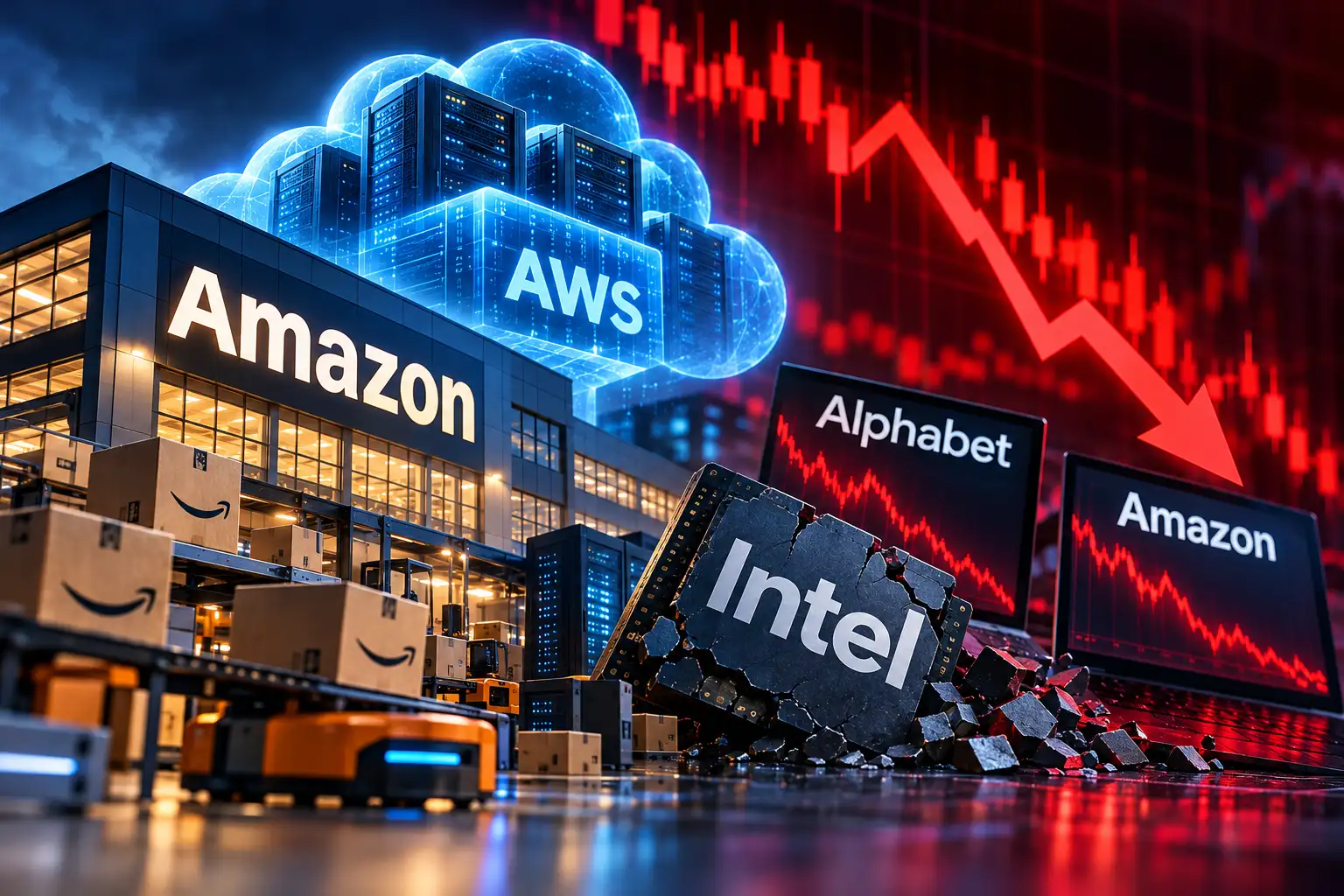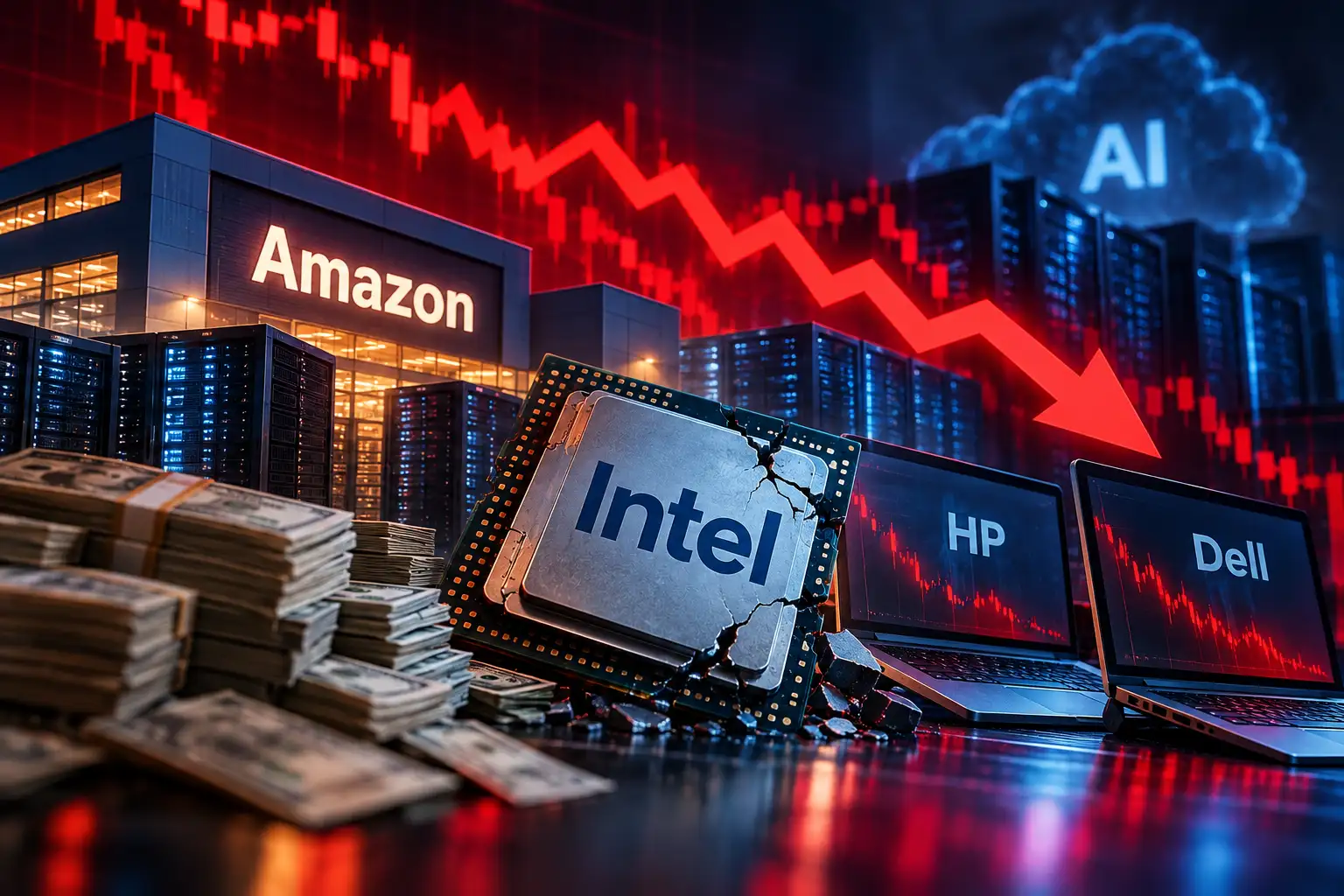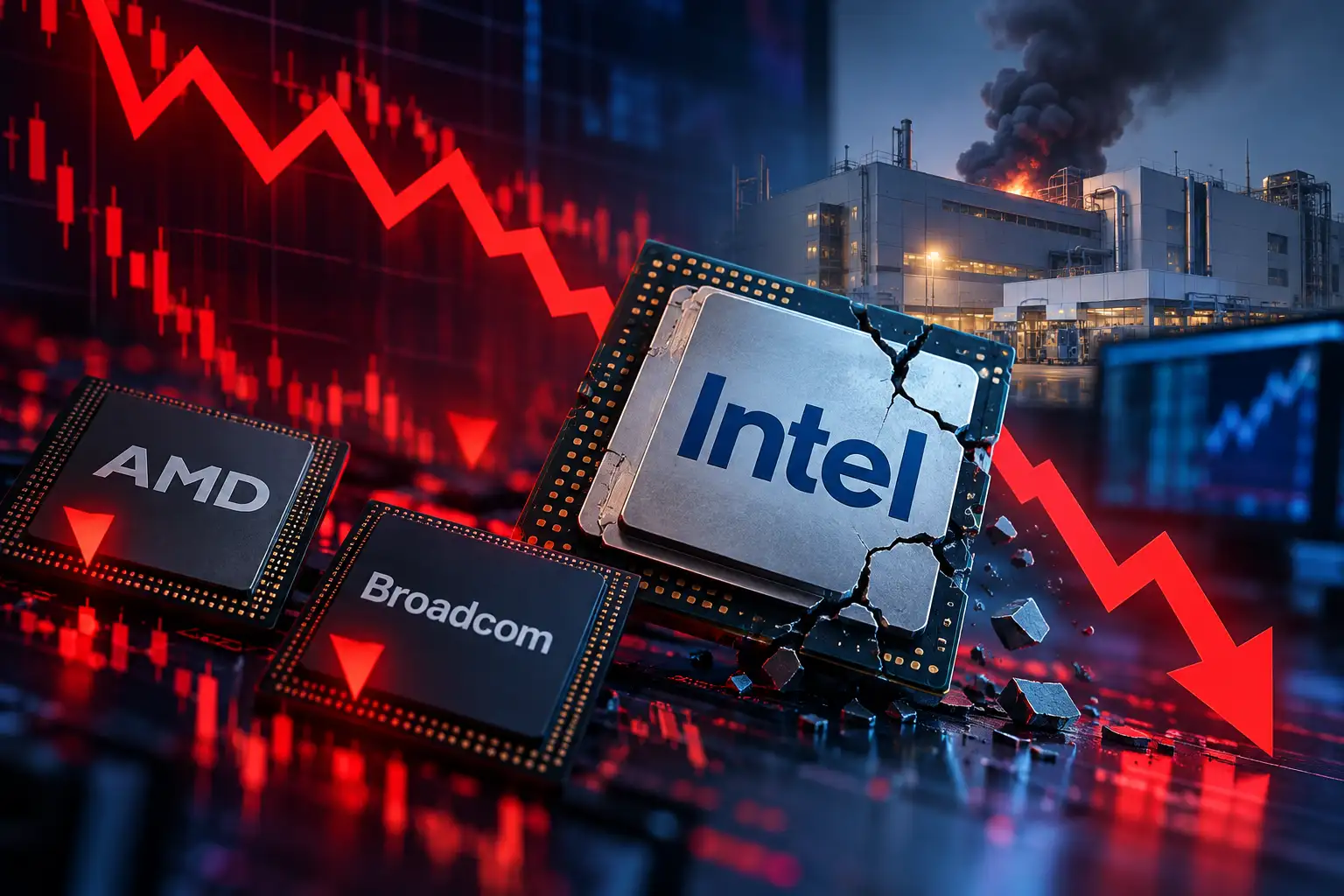
Technology stocks sold off for a second straight session as another round of disappointing earnings fueled a rotation out of the artificial intelligence trade, with heavy spending raising doubts about returns from those investments.
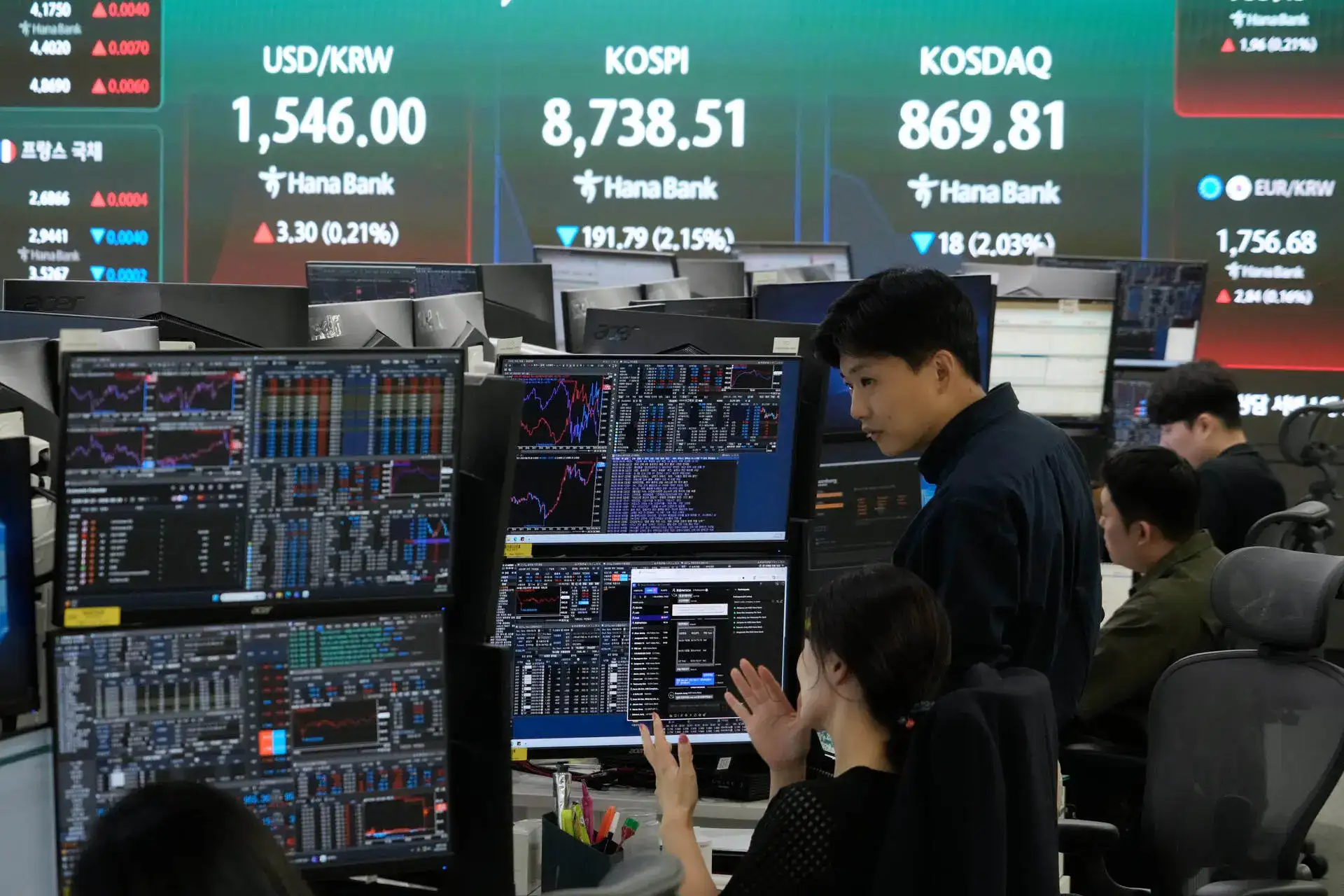
The Kospi Index in South Korea — a key barometer of the AI trade — fell over 3% with chip heavyweights Samsung Electronics Co. and SK Hynix Inc. declining. That dragged the MSCI Asia Pacific Index down 0.3%.
Futures for the Nasdaq 100 Index fell 1.5% and those for the S&P 500 lost 0.6%, indicating equities will remain under pressure. Wall Street gauges had retreated on Thursday, with Alphabet Inc. posting a record drop after its earnings underwhelmed.
Read more: Bulls return as Fed rate pause, dip in US yields lift sentiment
Adding to the gloom on the region’s final trading day of the month, Amazon.com Inc. slumped 7.3% in extended trading as spending soared while growth in its online business slowed. Intel Corp. plunged 23% after hours after its revenue forecast missed estimates, hurt by sputtering demand for PC processors and supply-chain problems.
“The broader message is that investors want more than AI promises,” said Greg Boland, a market strategist at broker Moomoo. “With technology valuations stretched, the market is demanding clearer evidence that heavy investment will deliver profits and cash flow, driving risk-off sentiment across tech stocks and spilling into Asian markets.”
The tech selloff revived demand for Treasuries as traders pared expectations for Federal Reserve rate increases. Sovereign debt in Australia tracked the moves in Treasuries. A Bloomberg gauge of the dollar slipped 0.1% in early Friday trading.
Meanwhile, the yen was slightly weaker at about 157.90 per dollar ahead of the Bank of Japan’s interest rate decision. The central bank is widely expected to keep its benchmark interest rate unchanged on Friday while indicating that underlying inflation has finally reached its 2% target.
The latest earnings have deepened doubts over the AI trade, raising questions about whether heavy spending can generate returns quickly enough to justify lofty valuations. Still, the damage has largely been confined to tech, with more than 400 S&P 500 members advancing Thursday as investors rotated into other sectors.
“AI uncertainty may not have run its course yet, but the damage to the broad market has so far been limited,” wrote Chris Larkin at E*Trade from Morgan Stanley.
Chip stocks were among the hardest hit Thursday, with the Philadelphia Semiconductor Index falling 1.4%. The Nasdaq 100 gauge dropped 1.4% and the S&P 500 Index retreated 0.3%. Microsoft Corp., though, drew blowout demand for its $25 billion debt offering.
Adding to the risk-off tone, a suspected hack involving billions of dollars on the Binance crypto exchange triggered asset freezes and sent cryptocurrencies tumbling. Executives said they were investigating and customer funds were safe.
US debt rallied across the curve on Thursday as a hedge against a potential economic slowdown. Shorter-dated debt led the advance, with two-year yields falling as much as 10 basis points as traders priced in slightly reduced odds of Fed rate increases in the coming months.
Meanwhile, US oil rose early Friday on signs the US may resume military strikes against Iran, risking fresh turbulence in the region that may hurt energy flows.
The bond rally came even as US data pointed to a resilient economy and persistent price pressures. A day after the Fed kept rates steady, figures showed the economy expanded in the third quarter at the fastest pace in a year, while the personal consumption expenditures price index — the Fed’s preferred inflation gauge — rose 0.5% in September, the most in six months.
“It was another strong round of economic data that shows ongoing inflationary pressures and growth split between the AI buildout and consumption,” said Ian Lyngen at BMO Capital Markets.