
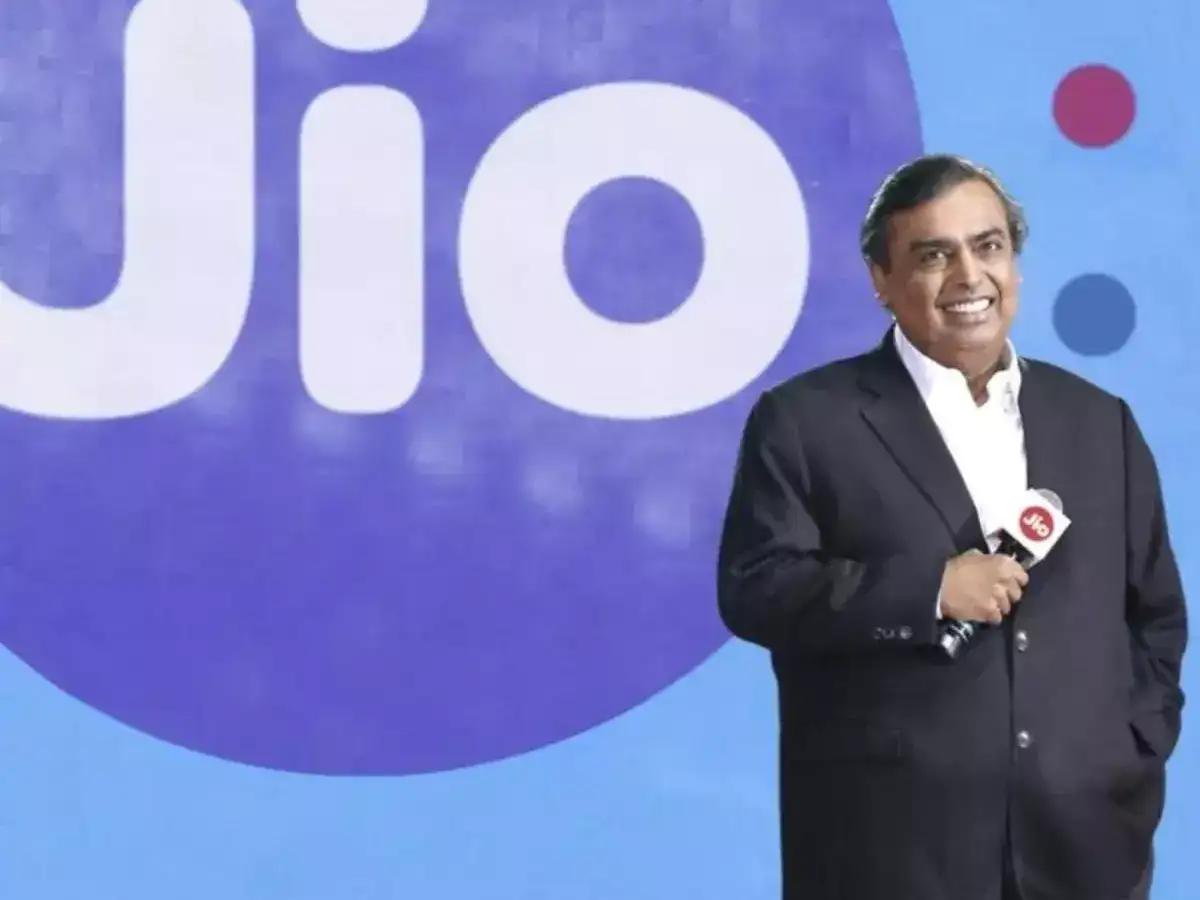
Last August, Mukesh Ambani promised shareholders that Jio Platforms Ltd. would seek a stock market listing in the first half of 2026.
Unknown to shareholders, Reliance Industries Ltd. was trying to solve three problems behind closed doors: persuade regulators to ease rules for initial public offerings, convince major investors to sell shares, and prepare the country’s biggest listing without revealing its structure, according to people familiar with the matter, who did not wish to be identified as discussions were private. Internally, the effort was known as Project Jupiter, a reference to its size and ambition.
For months, only a small circle of Reliance executives and senior investment bankers knew how the transaction was taking shape. Draft prospectuses, investor presentations and internal memorandum were circulated largely in physical form. Emails and other electronic communication were kept to a minimum to avoid creating digital trails, while meetings were restricted to the highest levels, the people said.
When Ambani returned to the stage at Reliance’s annual shareholder meeting nine months later, he declared Jio ready to go public. Within hours, the company filed its draft prospectus, with bankers who had been primed for weeks ready to submit the paperwork at a moment’s notice.
Aug. 2025 – Ambani announces plan to list Jio in first half of 2026
September – Sebi eases minimum dilution rule for large IPOs
October – Reliance gets Kotak, Morgan Stanley as bankers
December – Four more investment banks join the IPO syndicate
Feb. 2026 – Filing delayed pending notification of revised IPO rules
March 13 – Government notifies new minimum dilution norms
March 17 – Reliance expands syndicate to 19 investment banks
March 27 – Filing deferred again due to weak market conditions
May – IPO structure changed from OFS to primary issuance
June 19 – Reliance files the draft prospectus for Jio’s IPO
Reliance activated Project Jupiter by October. The confidential initiative was led by senior executives including Chief Financial Officer V. Srikanth, KR Raja and Jio executive Anshuman Thakur, according to the people. Kotak Mahindra Capital Co. and Morgan Stanley were the first investment banks brought into the project before the syndicate expanded in December.
A spokesperson for Reliance and Jio declined to comment.
Although the banks had begun work, they weren’t formally appointed until at least December. The unusual arrangement allowed advisers to work on the transaction while it was still being structured, according to people familiar with the process.
One of the company’s biggest challenges was securing agreement from existing shareholders. KKR & Co., Meta Platforms Inc., Alphabet Inc. and other investors ultimately agreed to dilute about 8% of their holdings on a pro-rata basis, allowing the company to meet public float requirements while preserving their relative ownership, the people said.
The regulatory backdrop was also shifting. In September, India’s securities regulator eased minimum dilution requirements for companies valued above 5 trillion rupees ($53 billion), reducing the threshold to 2.5% from 5%. The government formally notified of the changes in March, clearing a key hurdle for the transaction.
The structure of the IPO changed as well. Reliance had originally planned an offer-for-sale in which existing investors would sell about 2.8% of Jio while the company itself would sell no shares. But some shareholders baulked at the proposed valuation given a weak stock market and the impact of a falling rupee on dollar returns, the people said. At the same time, the Indian government was taking steps to encourage foreign capital to remain in the country.
Reliance ultimately switched the IPO to an all-primary issuance, ensuring the roughly $4 billion expected to be raised would remain with the company and stay in India.
The prospectus was filed on June 19 with 19 advisers on the mandate. The fact that Ambani was born on the 19th of April is a piece of numerical symmetry that did not go unnoticed by people involved in the process.