
After a bruising 18 months of currency pressure, FII outflows, and geopolitical shocks, one of India's top institutional equity strategists says the worst is definitively behind us, and a multi-year manufacturing export rally is about to begin.
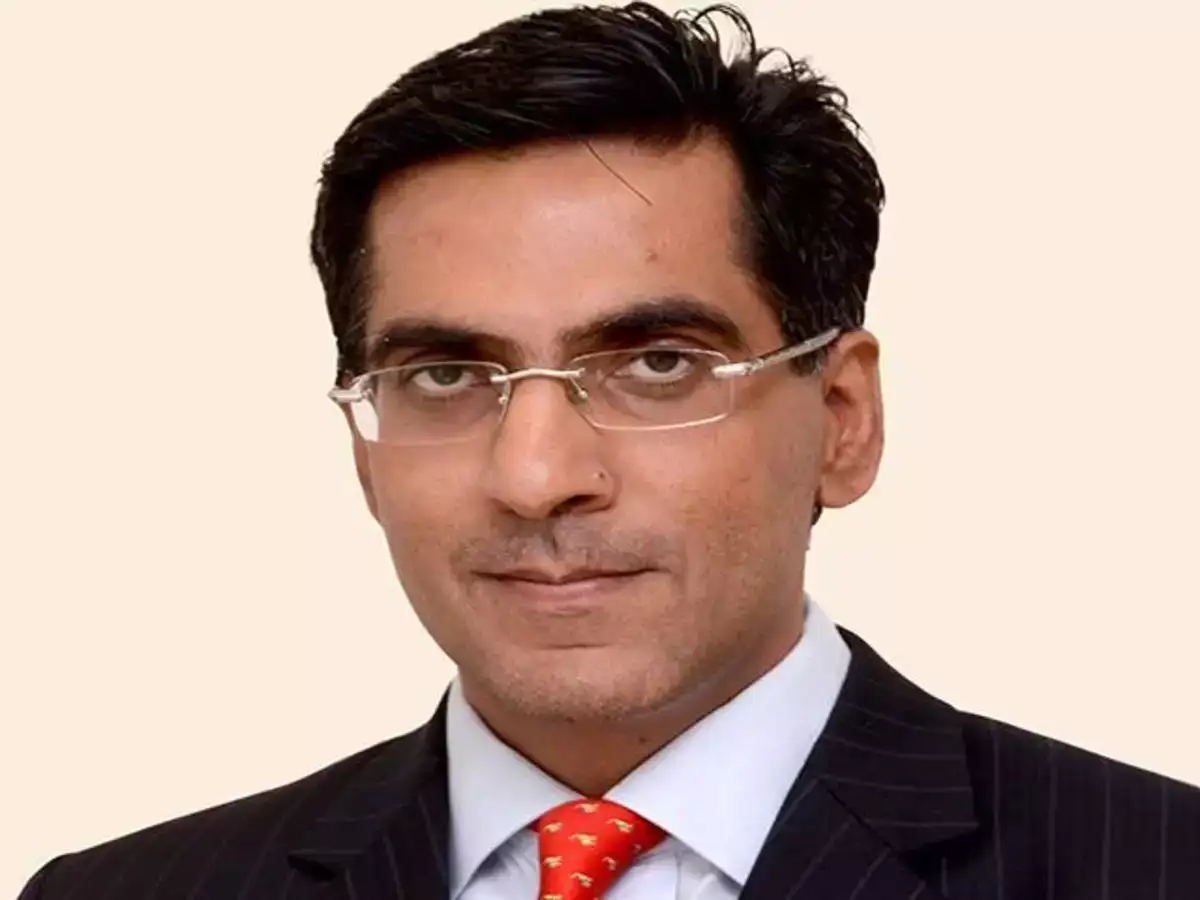
Mukul Kochhar, Head of Institutional Equities at Investec Capital Services, told ET Now that India's macro picture has quietly strengthened even as headlines remained noisy. "Since February, we are actually current account neutral," he said, pushing back against widespread concern that the Middle East's Strait of Hormuz crisis would damage India through higher oil prices. "While there is a lot of noise made about the impact of oil on India, it is not showing in the numbers."
India aims to be defence manufacturer, not just buyer: PM Modi
The turning point markets missed
Kochhar traces the current recovery to a specific inflection point. Last year's sharp US tariff hikes on Indian goods triggered balance-of-payment stress, a cracking rupee, and aggressive foreign institutional selling through September and October. The reversal, he argues, started quietly in February — driven by positive signals from Europe, early signs of US stabilisation, and, critically, India's own policy progress.
India readies Rs 12,000 crore push for local battery component manufacturing
"The currency has bottomed. It is at an all-time low on a real adjusted basis," he said. Combined with an improving capital account, where he believes the worst FII selling is over, and his forecast of double-digit corporate profit growth ahead, Kochhar is unambiguously bullish. "We are pretty constructive on the market from here."
The big call: Manufacturing exports over import substitution
The more consequential argument, however, is structural. Kochhar, who first flagged India's manufacturing theme back in 2018 under the import substitution lens, says the story has fundamentally changed.
"When you are talking about import substitution, that is a very-very small market," he explained. "Time has come to start talking about integration of Indian manufacturing supply chain into the world."
Two developments, he says, make this shift viable right now rather than aspirational.
Trade connectivity has surged from 11% to 60%. Just a year ago, India had meaningful trade agreements covering only 11% of the global economy by nominal GDP. That number has now jumped to 60%, following a wave of deals this government has struck while taking on entrenched domestic lobbies. "When our exporters go out to access foreign markets, they do not face tariffs which are discriminatory versus their competitors," Kochhar said, noting that this places India favourably against most Asian exporters, China excluded.
Energy costs are no longer a handicap. Years of solar power expansion and industrial energy solutions have brought Indian electricity prices in line with competing manufacturing nations. Combined with trade access, this removes two of the biggest structural barriers that held India's export competitiveness back.
Where the alpha will come from
Kochhar expects a "very-very solid manufacturing export cycle to play out over the next three to five years" and frames it as the primary source of alpha for equity investors in that window. The theme is self-reinforcing: stronger manufacturing exports improve the current account, support the rupee, and generate earnings growth across a broad set of sectors.
For investors frustrated by years of promise-versus-delivery on India's China-plus-one narrative, his message is pointed: the framework has changed. It is no longer about plugging gaps in domestic supply chains. It is about Indian manufacturers competing for global market share, with trade access and energy costs finally working in their favour.