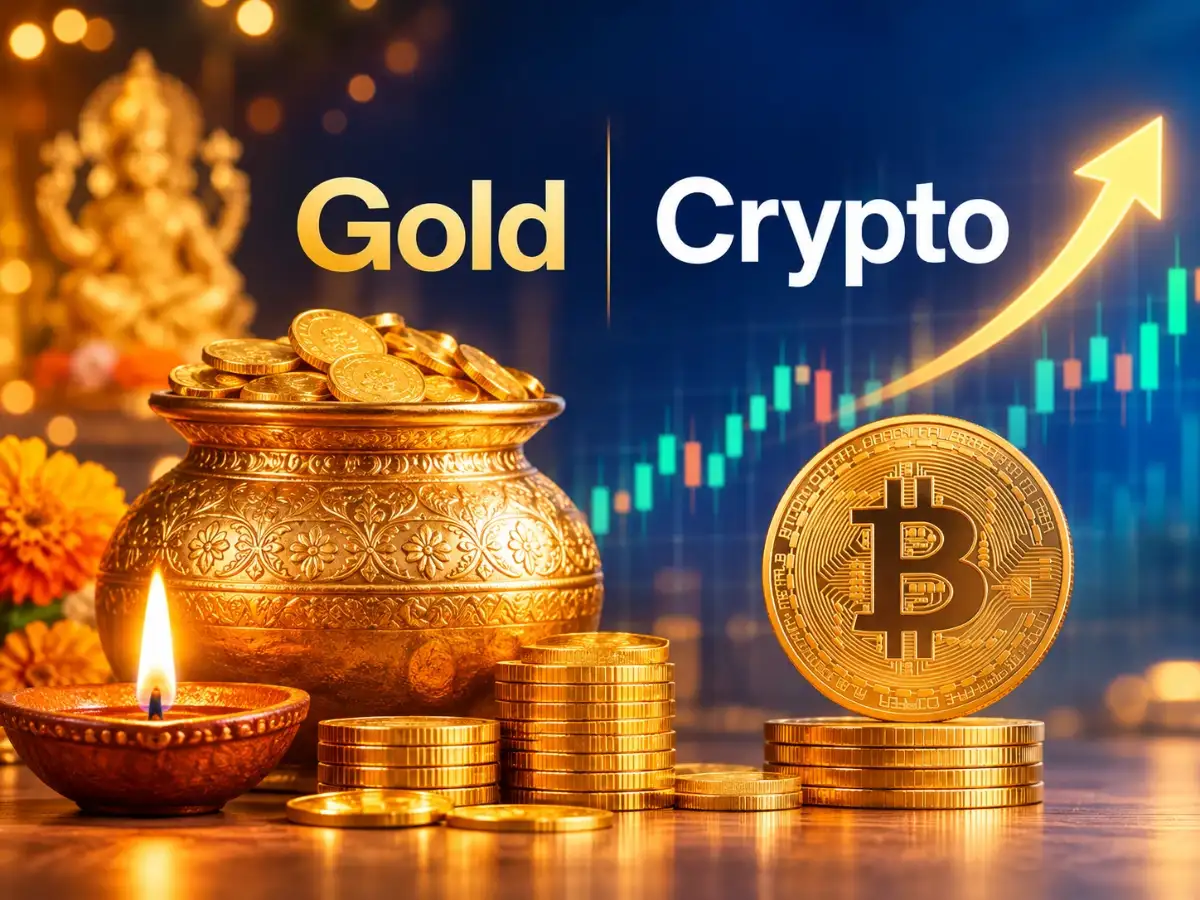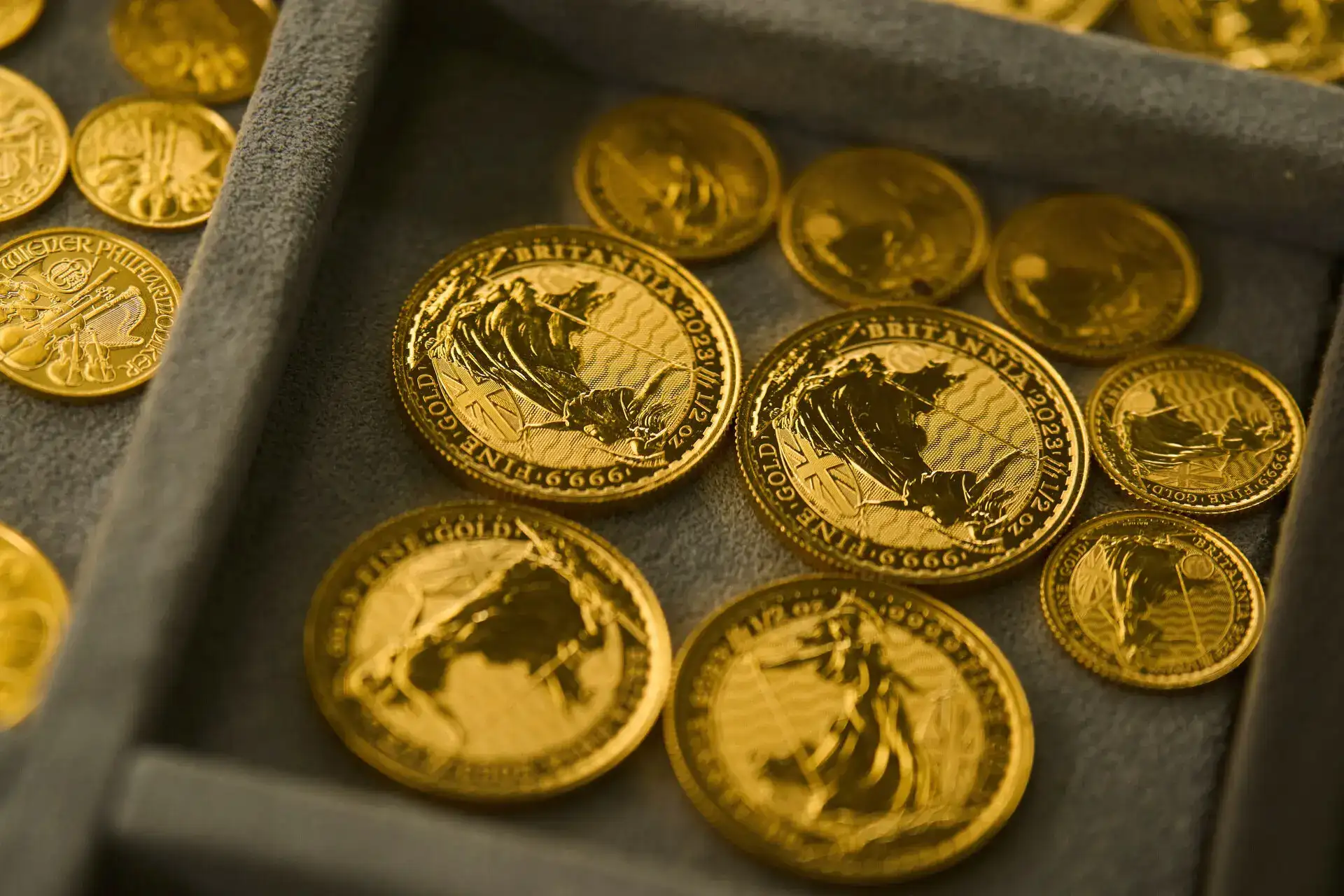
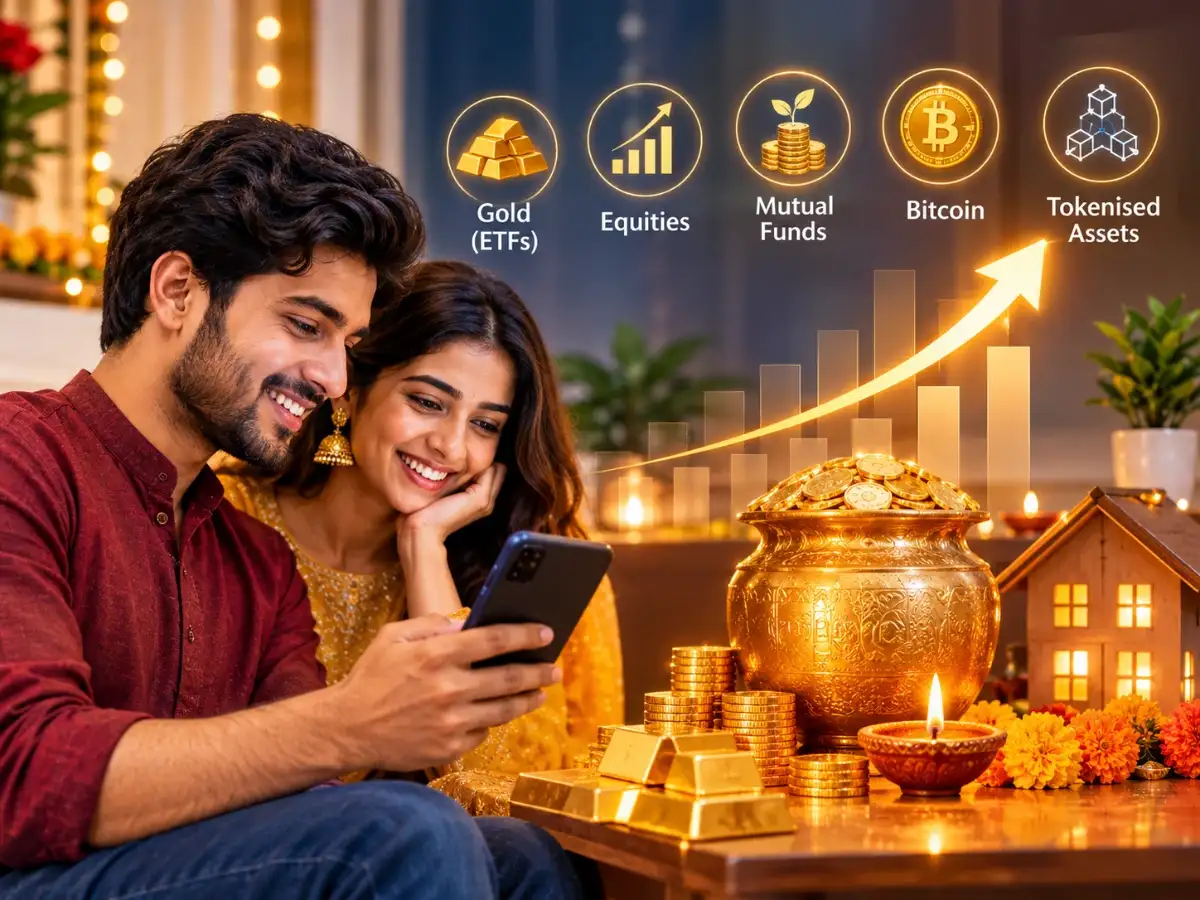
Every Dhanteras, millions of Indian households purchase gold, silver, and other assets to welcome prosperity. For generations, the festival has rested on a simple and enduring aspiration: to preserve value today and build financial security for tomorrow. Physical gold has held a sacred place in this tradition because it joins cultural meaning with a dependable store of value.
For earlier generations, the ritual meant a visit to the local jeweller, a purchase of bullion or jewellery, and a place in the home safe or bank locker. It was familiar, but it carried friction: making charges, storage and insurance costs, and the ever-present risk of loss or theft.
The aspiration endures. Its expression is changing. Millennials and Gen Z grew up with digital payments and app-based services, and they expect buying an asset to be as seamless as booking a ride. Importantly, the shift is additive rather than substitutive. Many younger investors still buy gold, but increasingly through gold ETFs and mutual funds, which remove making charges and storage worries. Alongside this, digital platforms have opened equities, mutual funds and digital assets to anyone who can invest a modest sum each month.
Also Read | Dhanteras 2026: Buying gold today? Here's how to choose between jewellery, coins, ETFs and SGBs
The more consequential change is one of mindset. The question is moving from “what should I buy this Dhanteras?” to “how should my assets work together?” Diversification, asset allocation, time horizon and position sizing shape long-term outcomes far more than the timing of any single purchase. A monthly systematic investment across gold, equity and other asset classes builds exposure steadily. Within such a framework, newer assets are best seen as a small satellite allocation around a diversified core.
Bitcoin has often been the first step into this ecosystem. Its decentralised network, fixed supply of 21 million coins and high divisibility explain why it is called digital gold. The comparison is useful but imperfect. Gold’s value rests on thousands of years of cultural consensus and broad jewellery and industrial demand. Bitcoin is about fifteen years old, and its price volatility is considerably higher. Its larger contribution may be conceptual: it showed that ownership can exist wholly in digital form, secured across a network.
Also Read | 4x Return: How buying 1 gram of gold every Dhanteras for 21 years built wealth
That idea is now being applied to familiar assets. Tokenisation represents ownership of a real-world asset, such as gold, a government bond or a money market fund, as a digital token on a blockchain. Global financial institutions have begun to experiment with it, pointing to fractional ownership, faster settlement and greater transparency. In time, a Dhanteras gold purchase could be held as a regulated digital token, pairing the trust of a tangible asset with the convenience of a digital one.
Prudence matters throughout. Investors should use compliant, KYC-verified platforms, invest only what they can hold through market cycles, and seek qualified advice where appropriate.
The spirit of Dhanteras has not changed. It remains a moment to invest in the future with intention. What has changed is the range of tools available. For a new generation, prosperity may be held in a locker, a brokerage account or a digital wallet, but the principle of building value patiently endures.
(Minal Thukral is an Executive VP at Growth & Crypto Business Head, CoinDCX)
(Disclaimer: The opinions expressed in this column are that of the writer. The facts and opinions expressed here do not reflect the views of www.economictimes.com.)