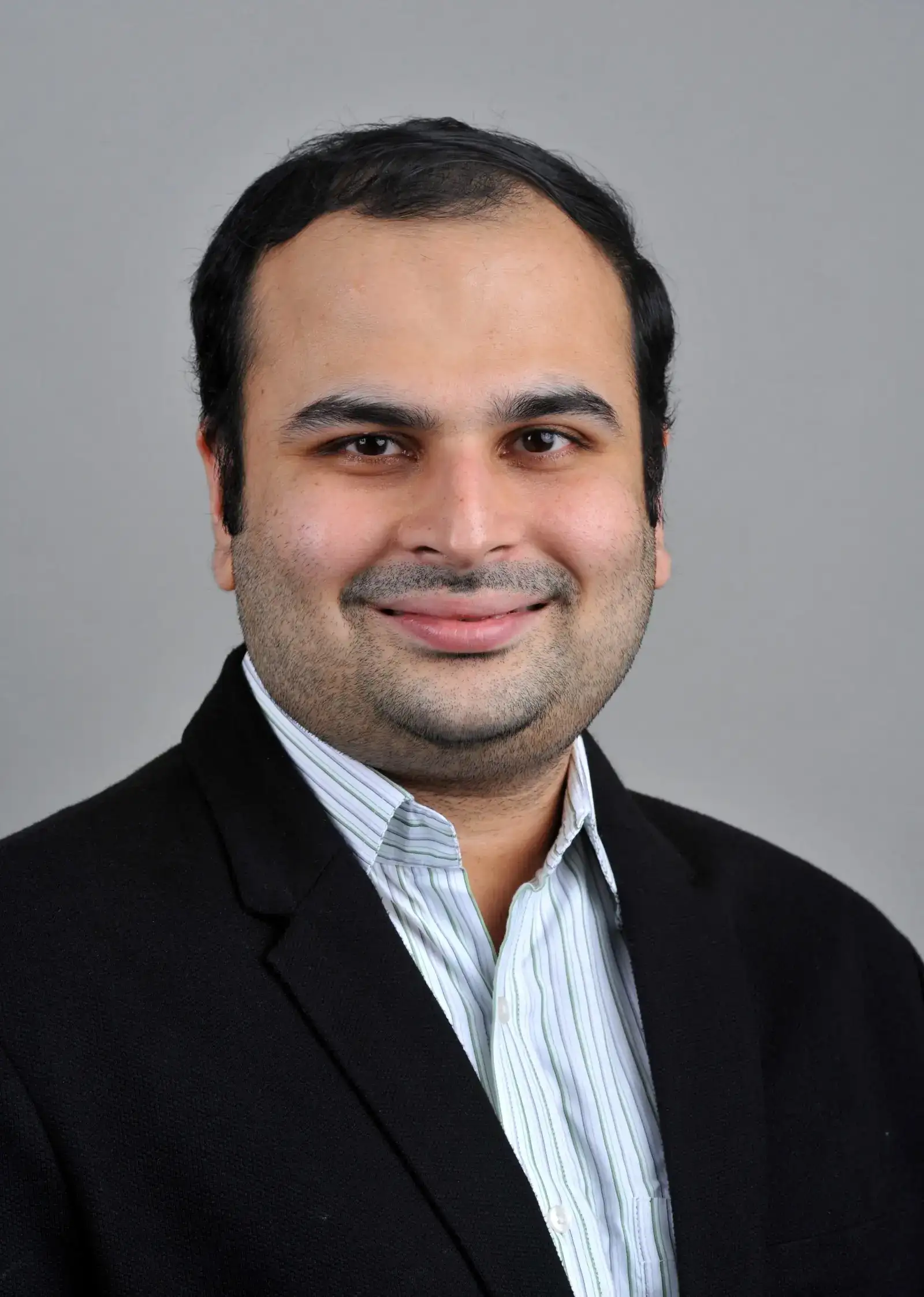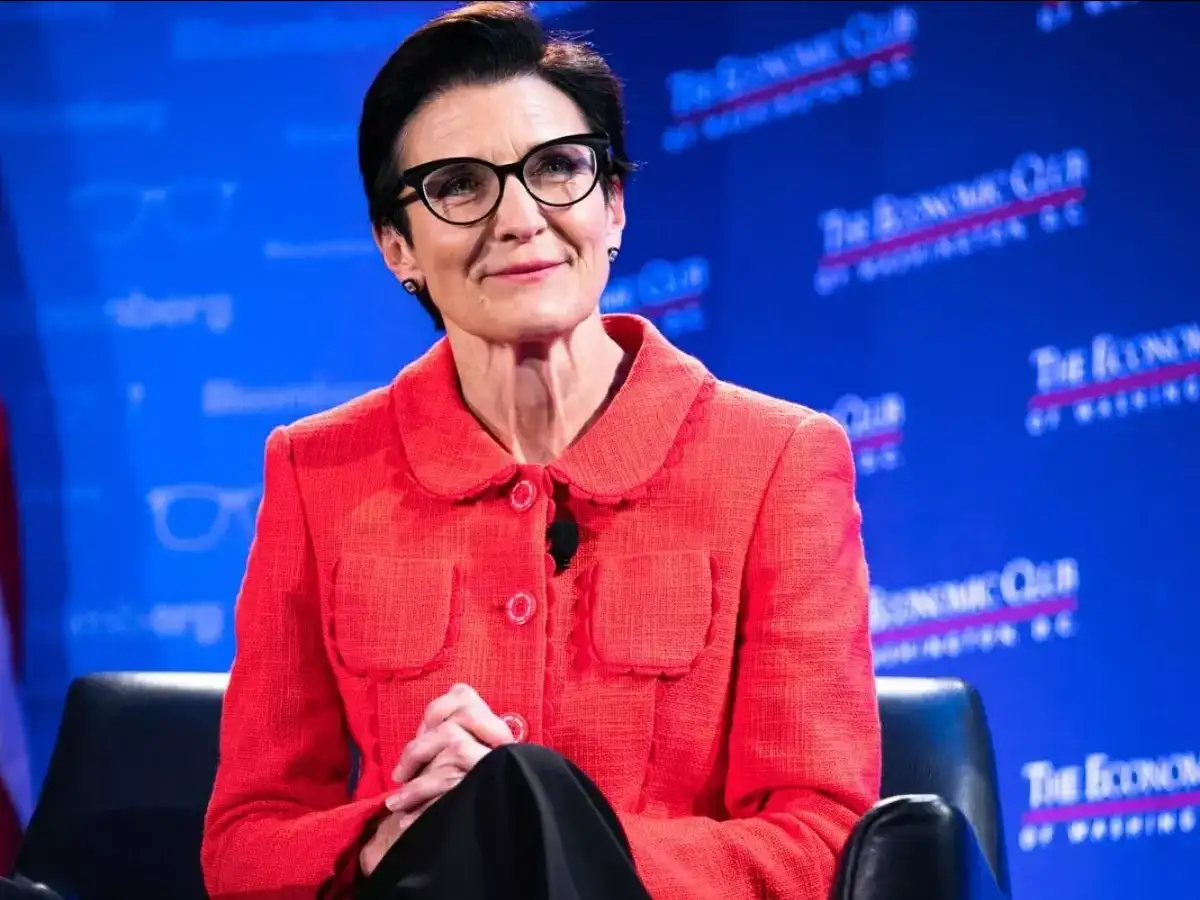
Globalisation is evolving. It no longer is about maximising efficiency at all costs, but about balancing efficiency with resilience and security, said Jane Fraser, Board Chair and CEO, Citi, in an interview. The move toward a more multipolar world will benefit countries such as India, with strong tech talent, a diverse economy and large market size, she tells Joel Rebello and Sangita Mehta. Excerpts:
Foreign portfolio investors (FPI) have been pulling money out of India. How should global investors look at the India story now?
The long-term India story remains intact. Investors haven't left India, they're just waiting for some of the cyclical and other factors to play out. What we're seeing right now is not a structural shift away from India but a pause, as investors reassess global conditions-whether that's valuations, geopolitical risks, or monetary policy. But fundamentally, India continues to stand out. I think that's where we certainly don't pretend that there aren't some challenges going on. But they're short-term headwinds. The story is intact.
With rising geopolitical risks-from West Asia to broader global fragmentation-do you see any threat to the long-term India outlook?
These are clearly important developments, but they are not unique to India. These are issues where we look at what's happening in West Asia, tariffs and energy. These are global challenges... these are not a unique to India story. While these factors are creating headwinds, they do not alter the structural story. If you think about having your cake and eating it, this cake has been baked by India. The icing may be some of the things of the supply chains globally and other elements of it, but we could do with a little bit more icing at the moment with the headwinds.
How are global corporations adapting to this environment?
The biggest shift we're seeing is toward resilience. Over the past few years-through Covid and then geopolitical disruptions-companies have fundamentally rethought how they operate. This means diversifying supply chains, building redundancies, and reducing dependence on single geographies. There are more buffers in supply chains... more storage in energy... the world is beginning to recognise you need to have more self-sufficiency. Financial institutions like ours are playing a central role in helping companies rebalance and reconfigure these global networks.
Does this mark the end of globalisation as we've known it?
No, globalisation isn't ending-it's evolving. It is different... we're almost seeing more volumes because it's globalisation with more resiliency behind it. What has changed is the nature of globalisation: it is no longer about maximising efficiency at all costs, but about balancing efficiency with resilience and security. We couldn't have so much dependency on single countries.
What does this shift mean for the global economic order-and for India's role in it?
We are clearly moving toward a more multipolar world of which India will be a beneficiary. For the past few decades, global flows were dominated by a handful of large economies. That balance is now shifting. Covid was the first wake-up, which was we couldn't have so much dependency on single countries. We needed to have more. Now, because of geopolitics, we're seeing some shifting of building up rather than dependency on one.
And so, India's rise is coming at an important time for the world because the world needs India. You have got the best tech talent in the world and the next decade is about great tech and tech talent. It is the diversity of the economy and the size of the market that gives real power. That makes India not just a participant, but a central pillar in shaping global growth going forward.
You've been visiting India for many years. What, in your view, has changed most significantly?
The transformation over the past decade has been remarkable. I see a different India... what the government has done, what the entrepreneurs have done. Much of the foundation for today's growth has been built domestically. There's also a growing track record of execution that is changing global perceptions. From digital public infrastructure to renewable energy, and even newer sectors, India is demonstrating capabilities that were not widely recognised earlier. This is not the India we know... India has done it and sort of out of nowhere again.
How do you assess India's equity markets, which are often seen as expensive relative to peers?
Valuations in India are elevated versus some of the alternatives. That naturally leads to some rotation of global capital, where investors look at markets offering relatively cheaper entry points. There's valuation arbitrage... investors may look at markets like Korea at this point. But it's important to distinguish between valuations and fundamentals. That doesn't mean the Indian economy is worse than Korea... just that valuations are different. At the same time, India benefits from a strong domestic investor base, which provides stability to the market. There's a strong retail investor base... many countries don't have that kind of investor base. That depth of participation helps sustain capital markets even when global flows become volatile, and it also supports primary markets and capital formation.
There is growing concern globally about stress in private credit markets, particularly with some funds halting withdrawals. Do you see systemic risks emerging?
Not at this stage. While private credit has expanded in size, its structure significantly limits the risk of systemic contagion. It's $1.7 trillion. It's big, it's not that big... it's not levered. The leverage is relatively low at around 1.2 times, unlike more highly leveraged segments of the market. The investor base is another key differentiator. Who are the major investors? Institutional and the ultra-high net worth. It's not retail. This reduces the likelihood of widespread financial stress. Private credit also involves mid-market lending, which typically carries higher default risk but is well understood by investors. There may be pockets of stress among weaker players, but the overall system is not facing the kind of risk that we saw in past crises.
What are the biggest global risks that concern you today?
Cybersecurity is at the top of the list for financial institutions. Cyber and fraud... that's the one that we all go to. The nature of this risk also means banks are increasingly collaborating and not competing in this area.
The debate around artificial intelligence has intensified globally. Do you see it as a bubble or a structural shift?
This is a structural transformation, not a bubble. AI is already changing how businesses operate-improving productivity, accelerating development cycles, and enabling entirely new business models. It's made our coding capabilities far more productive... and is reinventing processes. At the same time, its real impact will come from unlocking new opportunities, not just cost efficiencies. It's creating the art of the possible... industries are getting reinvented.
There is a view that India may have missed the AI opportunity. How do you see it?
I would strongly disagree with that. India's combination of talent, digital infrastructure and growing investments creates the potential for a leapfrog. India is not sleepwalking into artificial intelligence. I need top tech talent that understands emerging technologies and understands AI. We're putting more of our tech capabilities into India and we have been growing. We are looking at what AI will do to agricultural productivity... healthcare... make them more accessible. Artificial intelligence could drive inclusion-bringing new productivity gains to rural areas, enabling small entrepreneurs, and improving access to essential services.
What is your outlook for global interest rates?
There is still considerable uncertainty, given the geopolitical backdrop and macroeconomic dynamics. We've got to see where all of this falls out... it's too soon to tell.
How would you sum up the India opportunity in the current global context?
The story is intact... and we see evidence of it every single day.