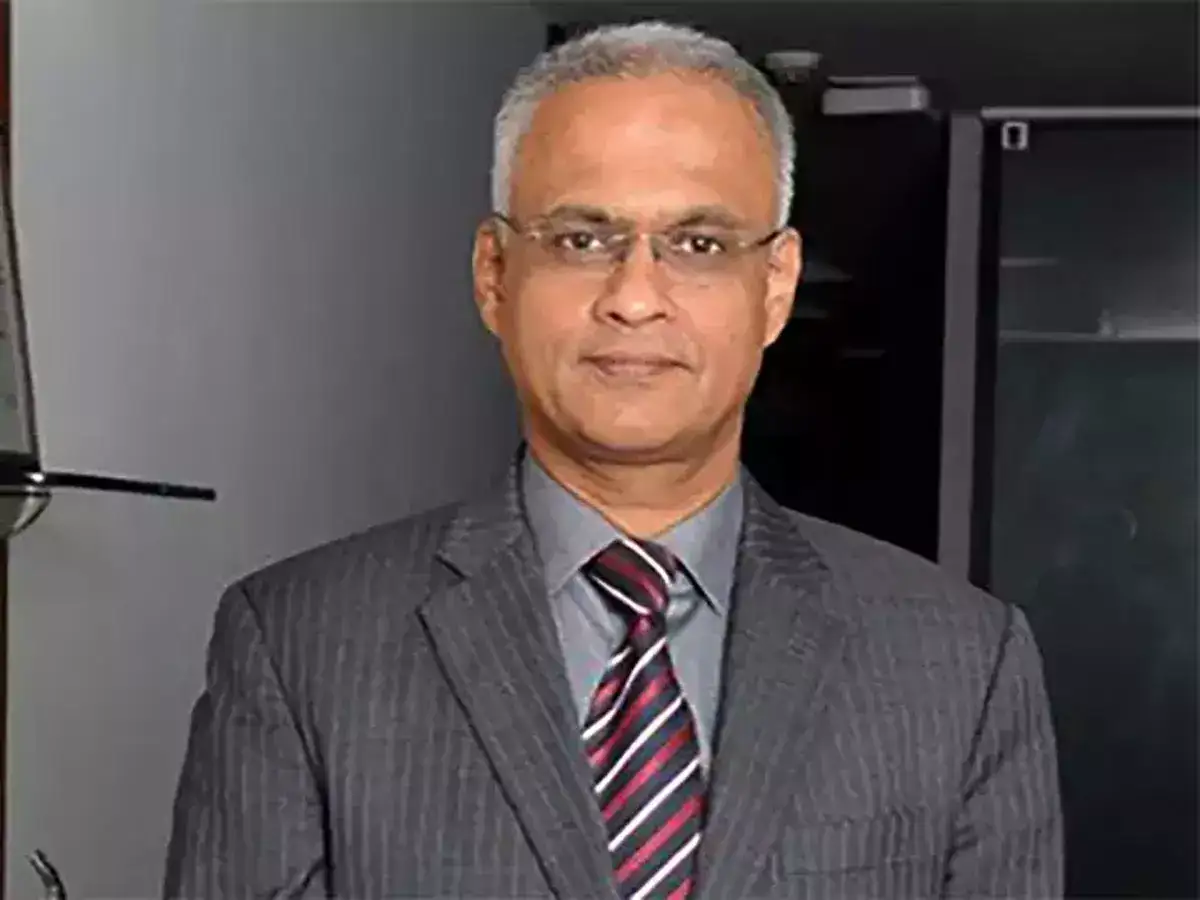
Market expert Sunil Subramaniam has advised investors to remain cautious in the near term amid rising geopolitical uncertainty, input cost pressures and the evolving impact of the ongoing global conflict on corporate earnings. While he remains constructive on select domestic themes such as consumer durables, premium consumption and capital goods, he believes the market could witness heightened volatility in the coming months, especially as the impact of rising crude and raw material costs begins to reflect in Q1 earnings.
Speaking to ET Now, Subramaniam said the recent rally in pharma stocks was partly aided by rupee depreciation, which boosted export-oriented companies. However, he warned against extrapolating recent quarterly earnings into the future as the current numbers do not fully capture the impact of higher input costs, especially for active pharmaceutical ingredients (APIs), freight and global supply disruptions caused by geopolitical tensions.
“The previous quarter is not reflective of the current situation,” he said, adding that investors should avoid reading too much into recent earnings announcements. According to him, the full impact of the global conflict will likely become visible only in the June quarter earnings season. As a result, he is not particularly bullish or bearish on the pharma sector at the moment and prefers a wait-and-watch approach.
Consumer Durables to do well, FMCG under margin pressure
On the consumption theme, Subramaniam expects consumer durables to outperform FMCG companies in the near term. He believes a strong summer season and robust demand for products such as air conditioners, refrigerators and premium automobiles could help consumer durable companies offset rising input costs through volume growth.
He explained that companies in this segment typically enjoy high operating leverage, meaning strong topline growth can cushion the impact of higher raw material prices. Rising crude prices, however, are expected to increase costs for inputs such as tyres, paints, steel and packaging materials.
For FMCG companies, he expects margin pressures to intensify in the current quarter due to rising prices of palm oil, fertilisers and other crude-linked raw materials. He pointed out that the previous quarter’s earnings were relatively protected because companies used lower-cost inventory accumulated earlier in the year.
Subramaniam said many FMCG firms are already responding by cutting advertising expenses and focusing more on premium products where margins are higher. However, he cautioned that companies may struggle to pass on higher costs to mass-market consumers, particularly if rural demand weakens due to an uneven monsoon.
He also expressed optimism about high-end retail and digital-first platform companies benefiting from India’s ongoing premiumisation trend. While he does not track individual stocks in the segment, he believes rising aspirations and stronger discretionary spending among affluent consumers could continue to drive growth in premium retail businesses.
Among sectors he currently favours, Subramaniam highlighted consumer durables and capital goods as his top investment themes. According to him, capital goods companies are relatively insulated from immediate geopolitical shocks and stand to benefit from continued government and private sector capital expenditure.
He said the government is unlikely to sharply reduce infrastructure spending despite fiscal pressures, while private capex is also gradually improving. He further noted that reconstruction demand in the Gulf region after the conflict could create additional opportunities for Indian capital goods exporters.
Why public banks may beat private ones
On banking, Subramaniam remains more positive on public sector banks (PSBs) than private lenders. He argued that the recent rally in private banks was largely driven by short covering rather than genuine buying conviction from foreign institutional investors (FIIs).
According to him, FIIs continue to remain cautious on India and their flows play a major role in determining the performance of large private banks. He added that with the Reserve Bank of India unlikely to cut rates in the near term — and discussions even emerging around possible rate hikes — the environment may not be favourable for private banks.
PSBs, on the other hand, are better positioned due to their stronger CASA deposits, improving asset quality and greater alignment with the capital expenditure cycle, he said.
Mid, smallcap rally driven by earnings
Subramaniam also shared his views on the broader market rally in midcap and smallcap stocks. He said the surge has been driven by a combination of strong earnings growth, abundant domestic liquidity and retail investor optimism following the sharp correction seen during the geopolitical selloff earlier this year.
He noted that many midcap and smallcap companies reported earnings growth of 30-40% in the previous quarter, helped partly by the fact that raw material cost increases had not yet fully impacted margins.
At the same time, strong mutual fund inflows and growing retail participation have continued to support valuations in the broader market. However, he warned that this momentum could come under pressure if geopolitical tensions worsen or if the RBI adopts a hawkish stance in its upcoming policy meeting.
June quarter earnings to shape market direction
According to Subramaniam, the June quarter earnings season beginning in July will be critical in determining the market’s next direction. If the war continues and higher costs start hurting margins significantly, broader markets could face pressure. However, if the geopolitical situation stabilises by then, investors may overlook weak quarterly earnings and focus instead on future recovery prospects.
Given this uncertainty, he advised moderate investors to maintain balanced portfolios with roughly equal exposure to largecaps and mid/smallcaps. More aggressive investors with a longer investment horizon can increase exposure to midcaps and smallcaps but should be prepared for elevated volatility.
He also identified sectors to avoid in the current environment. Energy stocks, according to him, are “too hot to handle” due to extreme volatility linked to crude price movements and geopolitical developments. He also remains cautious on information technology stocks because of persistent concerns around the impact of artificial intelligence on the sector’s long-term growth outlook.
On automobiles, Subramaniam maintained a positive long-term view but believes much of the good news is already priced into stocks after the recent rally. He advised investors to hold existing positions but monitor monthly sales trends, particularly rural demand, two-wheeler sales and entry-level car demand, before adding fresh exposure.
(Disclaimer: Recommendations, suggestions, views, and opinions given by experts are their own. These do not represent the views of the Economic Times)