

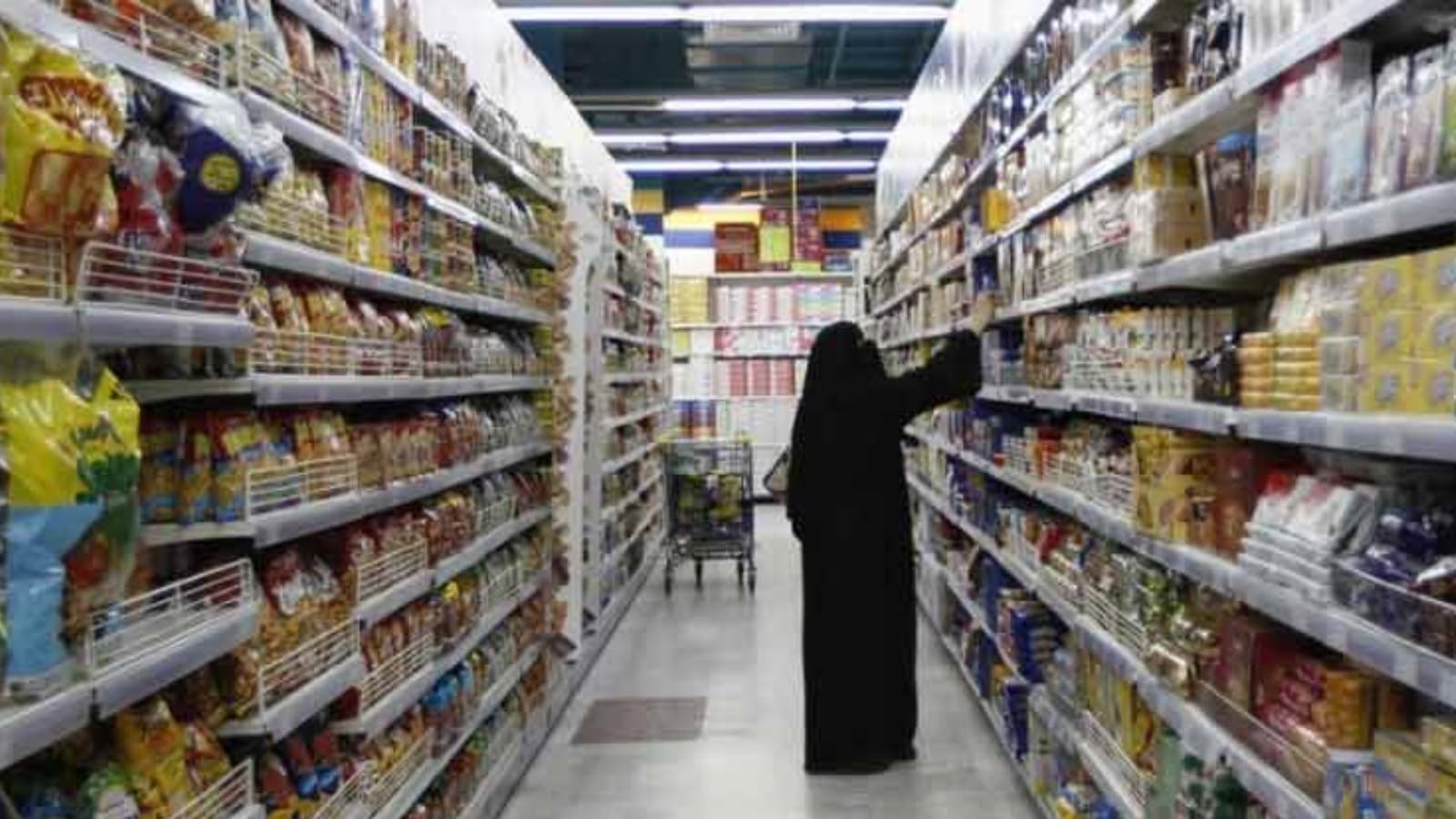
Apart from the fuel supply and price shock, the West Asia war has impacted a wide range of items from popular fast-moving consumer items such as instant noodles, juice, milk packs, beverages to automotive components for the country’s largest carmaker.
With the West Asia war disrupting supply chains, Nestlé India is facing a shortage of packaging material and this is learnt to have resulted in a pile-up of Maggi, the best-selling instant noodles brand, in at least one of its multiple production units in the country.
A leading multinational corporation dealing in food processing and packaging has reduced its energy usage at one of its key plants in western India following an official advisory requiring energy optimisation by industrial units. Even though the company is learnt to be dealing with higher costs for inputs such as aluminium and paperboard, it has kept its packaging plant operational but directed all extra employees at the worksite to work from home to sustain the packaging activity essentially running on gas.
Bisleri, the country’s leading mineral water brand, has already increased the price of its 1-litre bottle to Rs 20 from Rs 18 amid a rise in packaging costs, while one of the largest bottling franchisee of Coca-Cola has indicated that a price hike could be in the offing given the rising packaging costs, according to industry sources.
A number of automakers are going in for a second round of price hike, including Tata Motors and Mercedes Benz, despite having increased their prices in January. India’s largest carmaker, Maruti Suzuki, has also announced its intent to hike prices of its small cars in light of high commodity prices.
Apart from the fuel supply and price shock, the West Asia war has impacted a wide range of items from popular fast-moving consumer items such as instant noodles, juice, milk packs, beverages to automotive components for the country’s largest carmaker.
Also read | At chemical units in Gujarat’s Vapi, order books hit, cash flows blocked
While constrained supply and higher prices of packaging materials have led to a slower offtake at many production units of these FMCG firms, energy conservation efforts at some of these plants have resulted in underutilised capacity.
Since the supply of liquefied petroleum gas (LPG) has been prioritised in the wake of supply disruptions — as against all other petrochemical products like propylene, polyethylene, acrylic acid, etc — the change in production mix has had a cascading effect on plastics and agrochemicals. Plastic manufacturing units, and those making products from plastics, are staring at the prospect of closure. As a result, all consumer packaging units using flexible plastics have been badly hit, leading to a pile up of stocks as is the case with Maggi. In response to queries on the shortage of packaging material, a Nestlé India spokesperson declined comment.
Higher packaging costs and issues with supply of plastic caps and bottles have brought trouble for the beverages industry as well. Key players in the mineral water bottle space have hiked prices for distributors and resellers. While the retail price of large-sized water bottles has been maintained at the existing level, companies have increased the prices at the lower end of the size scale, with Bisleri raising the price by 11.1% for its 1-litre bottle.
As companies attempt to recalibrate pricing of their products, many FMCG makers are also opting for reduction in grammage of their products, known more popularly as ‘shrinkflation’.
Energy conservation has been under focus for big manufacturing plants, with region-specific official advisories issued to automakers and parts suppliers to optimise production schedules to conserve fuel to meet industry requirements.
Story continues below this ad
The Ministry of Heavy Industries has also urged companies to shift factory operations from oil-based fuels to electricity and to use recycled aluminium or alternative materials as shortages and costs rise, according to a March 25 advisory reported by Reuters.
Amid the rising cost pressures, India’s largest carmaker, Maruti Suzuki, has already announced that it will have to hike prices of its small cars. “We will be taking a call, but unfortunately the commodity prices are going very high, we need to pass it on, so we will come back very soon on that,” Partho Banerjee, Maruti’s sales chief, told reporters during a monthly sales call last week.
Other car companies have also announced an increase in prices — Tata Motors has announced a price hike of 0.5% to 1.5% across its passenger and commercial vehicles effective April 1; BMW Group India has hiked prices up to 2% for both its BMW and MINI vehicles from April 1; and Mercedes Benz has announced a price hike of around 2% across its range from April 1, making it the second round of price increase after January.
Price hikes have also been attempted by manufacturers of white goods such as TV sets and air conditioners, which had earlier seen a bump-up in consumption demand after a sharp reduction in the Goods and Services Tax (GST) rate from 28% to 18% in September 2025.
Story continues below this ad
High energy prices and shortage of raw materials are implying a hit on the margins of these companies as they have tried to keep the retail prices in check. But industry sources said if the supply blockages continue at the same pace, then most commodities will see a price hike at the retail end post April 15.
Early data indicators are already pointing to this trend. The latest HSBC India Manufacturing Purchasing Managers’ Index (PMI) showed that India’s manufacturing activity fell from 56.9 in February to 53.9 in March, the lowest level in over four years. Cost inflation hit a 43-month high, but softer demand growth has limited hikes to output charges, the S&P Global release stated.
