

Post ContentLicence closely examined multiple versions of the Anglo-Saxon Chronicle, a major source for early English history. For years, historians have interpreted a line stating that Harold Godwinson’s ships “came home” as proof that he had disbanded his fleet. (Image: wikimedia commons)
One of the most well-known episodes in English history is now being challenged by new research. For centuries, it has been widely believed that Harold Godwinson made a dramatic 200-mile march across England in 1066 CE before the Battle of Hastings. According to traditional accounts, the journey followed his victory in the Battle of Stamford Bridge and came after he had dismissed his naval fleet.
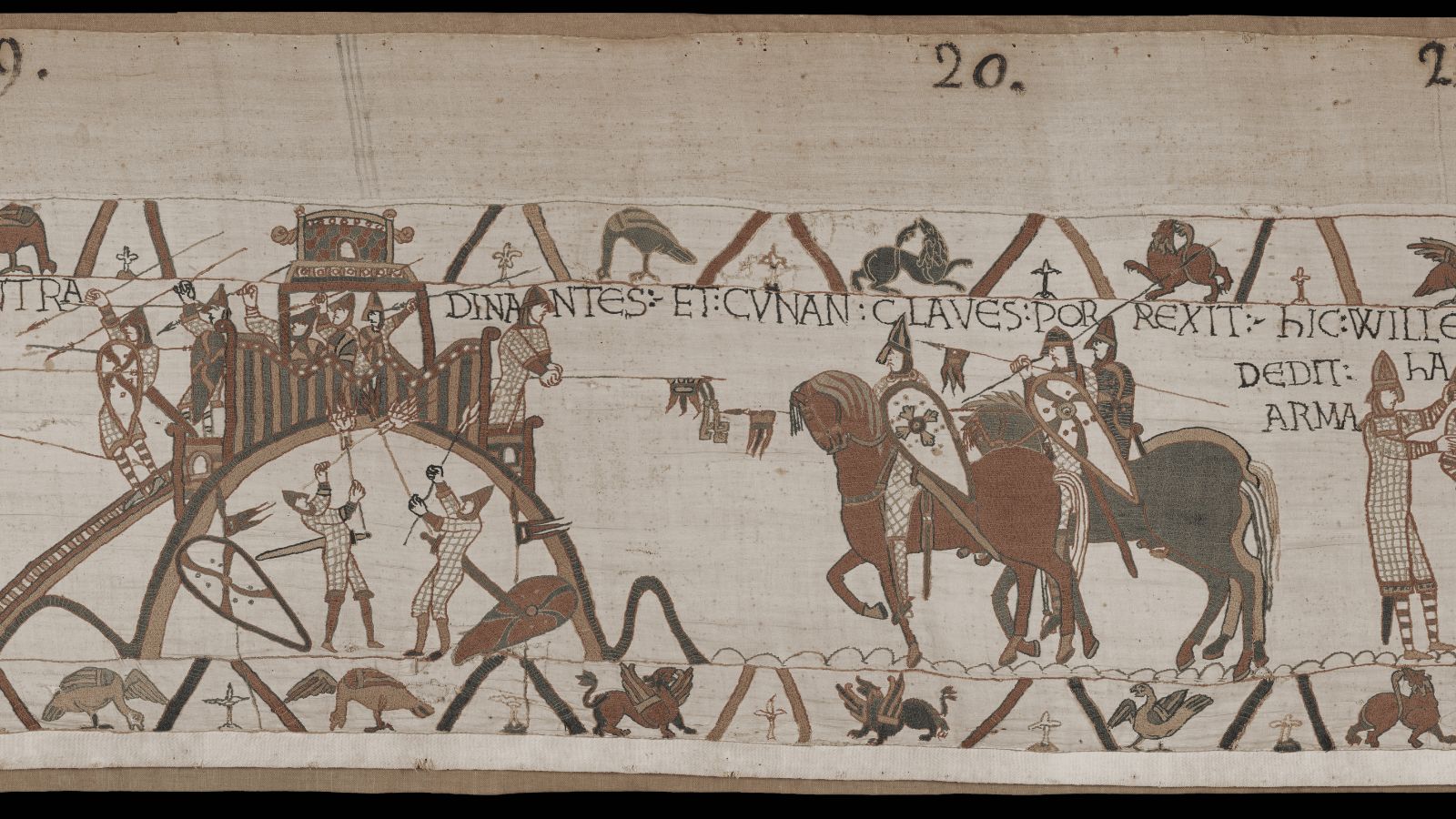
This version of events has been repeated so often that it even appears in the Bayeux Tapestry. But historians are now suggesting that this famous march may never have happened at all.
Revisiting the historical record
The new findings come from Tom Licence, a medievalist at the University of East Anglia. After reviewing key historical texts, Licence found no clear evidence to support the idea of a forced march.
“I went looking in the sources for evidence of a forced march and found there wasn’t any,” Licence explained in a statement.
Licence closely examined multiple versions of the Anglo-Saxon Chronicle, a major source for early English history. For years, historians have interpreted a line stating that Harold Godwinson’s ships “came home” as proof that he had disbanded his fleet. However, this reading created confusion, especially since other sources suggest the fleet was still active during the Norman invasion.
Also Read | Medieval pendant with 2,000-year-old Roman gem found in Essex
“I checked the evidence for him having sent the fleet home and found that it was just a misunderstanding,” said Licence.
A different version of events
According to the revised interpretation, Godwinson’s fleet did not disappear. Instead, it likely defended England’s southern coast, supported his campaign against Harald Hardrada, and then returned south again to face William the Conqueror.
Story continues below this ad
“Harold’s campaign was not a desperate dash across England, it was a sophisticated land-sea operation,” Licence added.
This suggests a more coordinated and strategic approach than previously believed.
Rethinking a key moment in history
The findings have been welcomed by historians, including Ray Porter, curator of the Hastings battlefield.
Also Read: Pen, paper and brain: Why writing by hand still matters in the age of screens
“Professor Licence’s research shows the immense value of testing received wisdoms,” Porter explained. “What we know about Harold’s previous military campaigns fits with the idea that he used naval forces to transport soldiers, and threaten William, and there are references in accounts of the Norman invasion which also lend weight to that possibility.”
Story continues below this ad
At a practical level, the revised version also raises doubts about the original story’s feasibility.
“Only a mad general would have sent all his men on foot in this way if ship transports were available,” added Licence.
© IE Online Media Services Pvt Ltd
