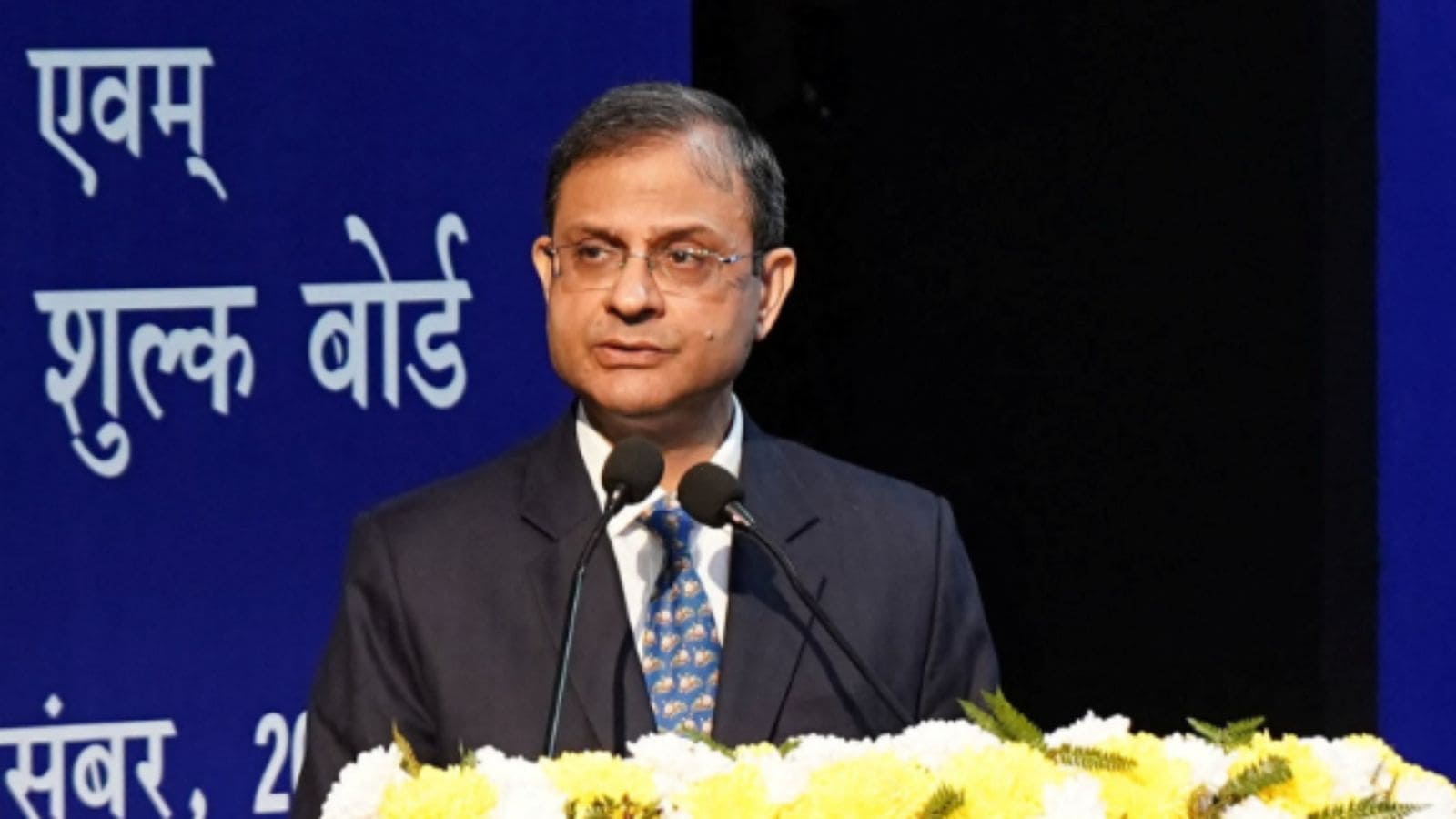
After the three-day meeting held by the Reserve Bank of India’s Monetary Policy Committee, the central bank is set to announce its decisions today. The committee is widely expected to retain the policy repo rate at 5.25%, a small but vocal segment is predicting an interest rate hike on Friday due to the tremendous pressure the rupee has been under and to ‘pre-emptively’ stamp out upside risks to inflation.
After a prolonged period of stability, the exchange rate has over the last one year become the primary topic of discussion, with the RBI employing various instruments to stem its fall: foreign currency sales in spot and forward markets, swap windows and auctions, tightening norms to stop speculative bets, and reportedly even selling gold to save on foreign exchange reserves.
The MPC’s decisions comes amid volatile global conditions driven by ongoing tensions in West Asia and volatile global crude oil and gas prices After falling by more than 10% against the US dollar over the last year, the RBI thinks the rupee is now undervalued, with Governor Sanjay Malhotra saying as much in an interview last week, pointing at the currency’s Real Effective Exchange Rate, which fell to 90.96 in April – the lowest since September 2013.
Governor Sanjay Malhotra to announce decisions on repo rate, key policies amid Iran war
The Reserve Bank of India (RBI) will announce its monetary policy decision today, June 5, 2026, after three days of deliberations by the Monetary Policy Committee (MPC). RBI Governor Sanjay Malhotra is chairing the panel, which holds the meeting to decide on key monetary policies such as repo rate and the RBI's stance in the prevailing circumstances every two months. The meeting lasts three days. On the third day, the decisions are announced and the Governor later replies to questions at a press conference.
The MPC meeting today is especially important, owing to the rise in prices of fuel and other commodities due to the war in West Asia. Experts feel the repo rate, which the RBI uses to regulate the cash flow in the economy, is likely to be kept unchanged.