

The rupee fell past the key psychological level of 96 per dollar on Tuesday, as oil prices climbed to a one-month high after the U.S. reimposed its naval blockade of Iran while the two countries stepped up attacks in the Strait of Hormuz.
The rupee declined 0.56% to 95.16 per dollar, its weakest level since late May.
The rupee had rallied to a month high of around 94.15 in June after policymakers unveiled measures - including incentives for foreign-currency deposits and tax exemptions on overseas investments in government debt - to attract dollar inflows.
An interim ceasefire between Washington and Tehran had also aided sentiment.
Since then, the rupee has drifted lower and appeared to have settled in a 94.50-95.50 range before renewed conflict in the Middle East jolted markets.
Analysts at DBS said oil prices could remain volatile and structurally elevated, weighing on oil-sensitive Asian currencies such as the Indian rupee, Indonesian rupiah, and Thai baht.
INFLOW HOPES FACE OIL HEADWIND
President Donald Trump said on Monday the U.S. was reinstating its blockade of Iranian shipping in the Gulf and would collect a 20% fee on cargo traversing the Strait of Hormuz.
Oil prices were last at $84.8 per barrel, up over 10% on the week so far. Higher oil prices pose a key risk to India, which imports nearly 90% of its crude requirements.
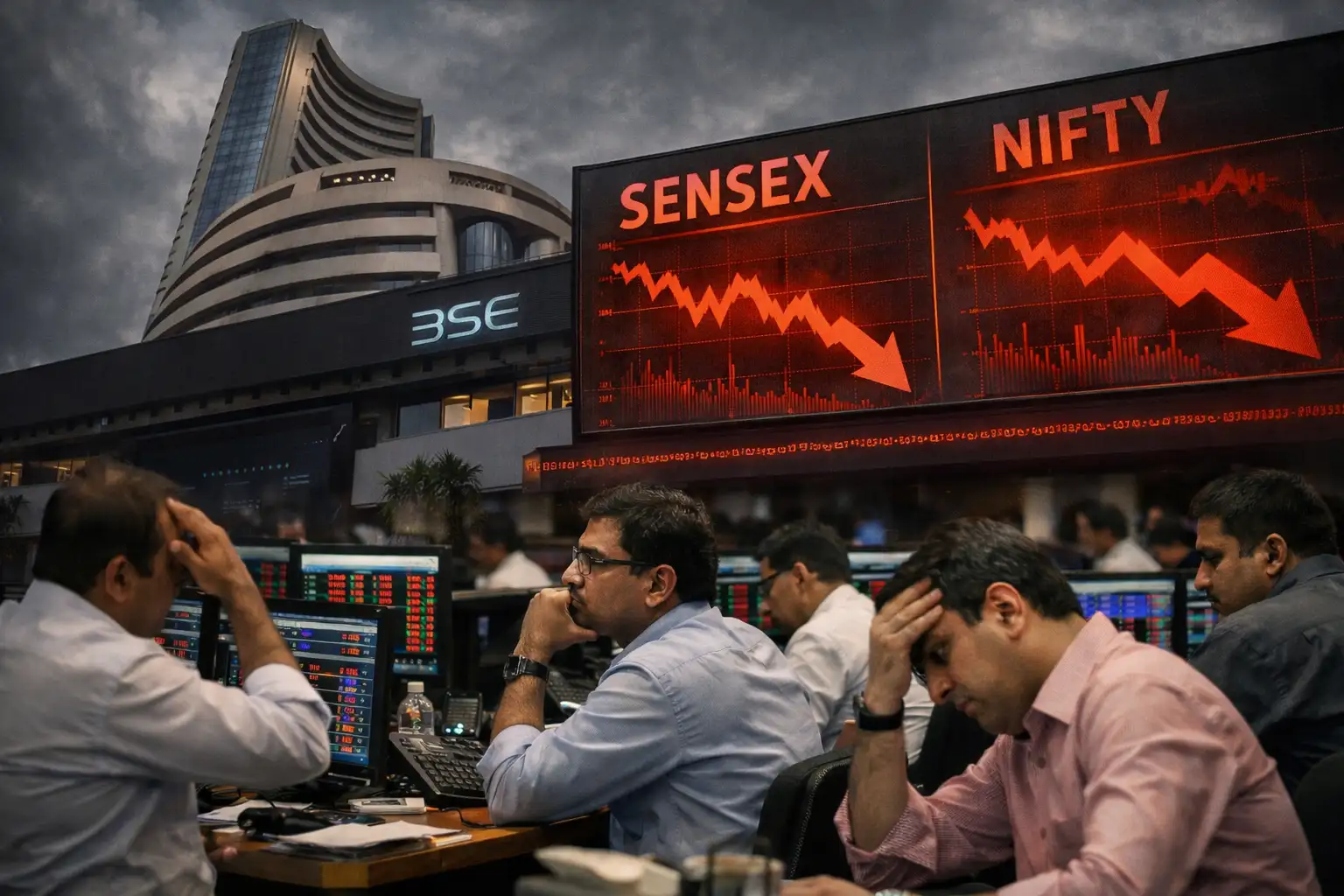
The renewed anxiety rippled across asset classes, with India's benchmark Nifty 50 down 0.5% while the yield on the 10-year benchmark bond jumped 5 basis points.
Analysts said oil prices remain a key risk for the rupee alongside a firmer dollar, as energy price volatility raises the spectre of higher interest rates in the United States.
While the rupee has been supported by measures aimed at drawing dollar inflows, they have yet to spark a meaningful recovery.
Most economists reckon the measures should be sufficient to plug the country's projected balance-of-payments deficit for the fiscal year ending March 2027.
"The path that would have really helped the rupee would be a resetting of expectations expressed via higher exporter dollar conversions and a return of portfolio flows, which is yet to fully play out," said Dhiraj Nim, an economist and FX strategist at ANZ.
"Unlike in 2013, when such measures were last announced, India is not tackling a domestic issue but a global one due to globally tighter financial conditions and rising commodity prices. The exchange rate is likely to remain vulnerable if domestic financial conditions remain divergent from global."