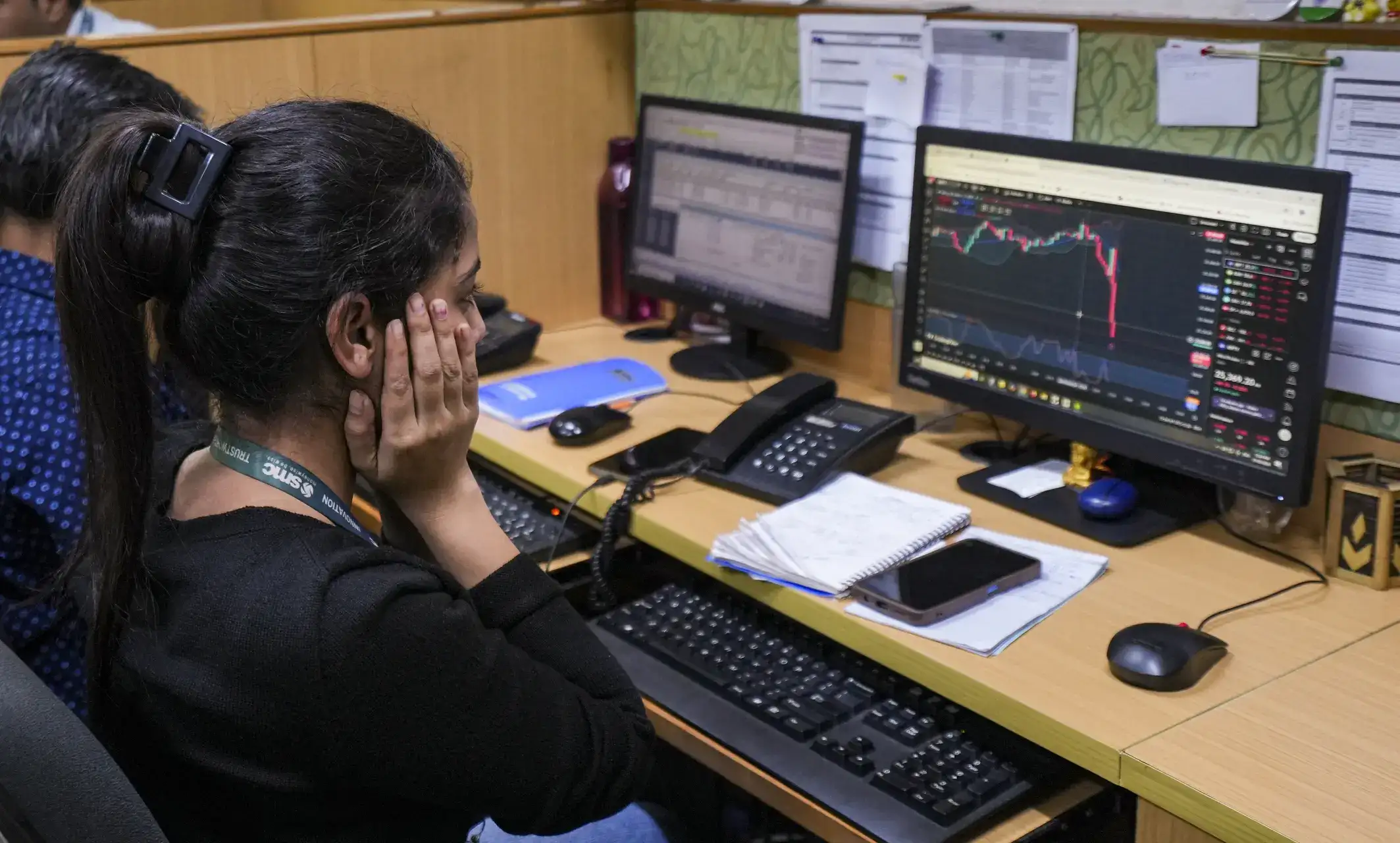

The rupee outshone its Asia Pacific peers to rally 84 paise on Friday, recording its biggest daily advance in more than two months after the Reserve Bank of India (RBI) and the Centre unveiled a raft of measures to draw in foreign inflows and underpin the currency. It raced past 95 to a dollar to close at 94.95, versus 95.79 a day earlier, as currency bears were whipped in unidirectional trade on expectations that the steps could well attract funds equivalent to about 7% of the current forex stockpile.
Market participants broadly expect inflows of $20-50 billion via the NRI deposit scheme, which is expected to slow the rupee's depreciation, if not reverse it, traders and treasury heads said. "The FCNR-B (foreign currency non-resident-bank) swap window and FAR expansion are likely to deliver the largest and fastest inflows. A realistic base-case estimate would be $25-30 billion, with upside potential if global bond investors increase allocations to India amid relatively attractive real yields," said Kunal Sodhani, head of treasury at Shinhan Bank India.
The currency moved to an intraday high of 94.88, while its weakest level during the day was 95.77.
The strength of the local currency still depends on the West Asia war and the global geopolitical sentiments, said dealers.
The rupee has weakened 4.18% since the start of the US-Iran conflict. It was trading at 90.98 when the war broke out on February 28, and closed at 94.95 on Friday. It traded at a record low of 96.96 in late May. In FY26, the currency declined nearly 11%.
"In general, positive FCNR inflows will help defend the rupee and slow down its depreciation. However, crude oil prices are the main factor here which is war dependent. So if things worsen, the 96 level can very well come again," said Anshul Chandak, head of treasury, RBL Bank.
Chandak, however, does not expect strengthening toward the 93 per dollar level.
Dealers expect the rupee to trade between 94.50 and 95.50 on Monday, with importer hedging demand expected to come at stronger levels.
In the monetary policy address, RBI rolled out several initiatives to attract dollar inflows. The steps include a discounted forex swap facility for public sector companies and banks to raise external commercial borrowings (ECB), a facility to bear the full hedging costs for banks to raise multi-year deposits from NRIs under the foreign currency non-resident-bank scheme, and increasing the number of bonds that overseas funds can access.