
Indian stock market traded higher on Thursday, with Sensex and Nifty rising up to 0.5% as oil prices cooled below $73 per barrel and other tailwinds supported market sentiment.
At 9:59 am Sensex rose over 500 points to trade at 77,500 mark, while Nifty 50 gained 150 points to trade at 24,150 level on Thursday. India VIX, which measures volatility in the market, dropped around 5% to 13.
IndiGo, M&M, Maruti Suzuki and TCS shares were the top gainers on the Sensex, rising up to 2%. Bucking the trend, Eternal, BEL and Titan shares fell around 1% each. Broader markets also traded in the green, with the Nifty Smallcap 100 and Nifty Midcap 100 indices gaining 0.4% and 0.6%, respectively.
Sectorally, Nifty Realty and Nifty Auto gained around 1% each to lead gains, while Nifty Metal dropped around 0.6%. Around 1,596 stocks advanced on the NSE, while 845 declined and 117 remained unchanged.
Oil prices fall to pre-Iran war levels
Oil prices fell to pre-Iran war levels as stranded tankers exited the Strait of Hormuz following an initial peace deal between the US and Iran. Brent crude dropped 1.7% to $72.5 a barrel, easing concerns about the growth and inflation outlook in the world's third-largest oil importer and consumer.
The rupee, meanwhile, gained 22 paise to 94.33 against the US dollar in early trade. “The biggest positive for India is Brent crude falling to below the $73 level. With this, the CAD and BoP deficits, which were threatening India’s macro stability, have ceased to be serious concerns. This will have positive implications for India’s GDP growth and inflation in FY27 and, consequently, for the market, too,” said VK Vijayakumar, Chief Investment Strategist at Geojit Investments.
What lies ahead?
From the market perspective, the sharp drop in oil prices is a strong bullish factor, said Vijayakumar. “The negative factor continues to be the deficient monsoon. The sectors that will be negatively impacted by a deficient monsoon, like tractors and agro-machinery, fertilisers and crop-protection products, FMCG and entry-level two-wheelers dependent significantly on rural demand, will be impacted by the deficient monsoon. On the contrary, premium consumption, including FMCG whose demand primarily comes from urban areas, luxury consumption, including high-priced automobiles, IT and export-oriented segments, will not be impacted by a deficient monsoon. Pharmaceuticals, with inelastic demand, is normally an outperformer during deficient monsoons,” he added.
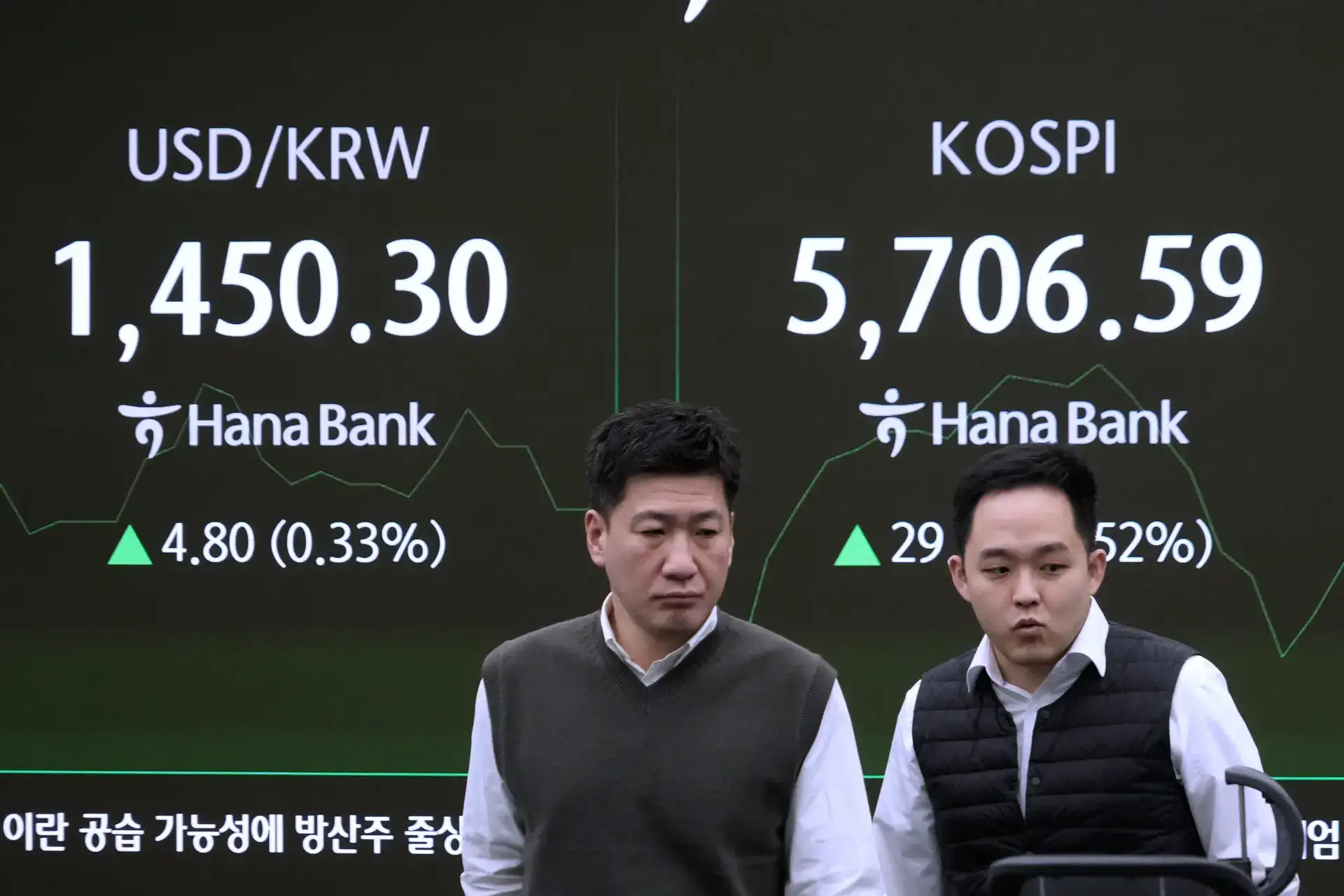
The analyst highlighted that excessive volatility in the South Korean market continues, with a 10% crash on one day and a 5% up move on another. The huge profitability of semiconductor companies is attracting buyers on declines despite the concentration risks in this investment, he said, adding that FII flows will be influenced by this trend.
Technically, the undertone remains positive as long as the Nifty sustains above the 24,000 mark, according to Rajesh Palviya, Head of Research at Axis Direct. He said that immediate support is placed at 23,900, followed by 23,790–23,750 if profit booking intensifies.
“On the upside, the 24,090–24,150 zone remains the key resistance, and a decisive breakout above this supply area could trigger fresh short covering, paving the way towards 24,300. While supportive global cues and lower crude prices favour further gains, traders should remain watchful of expiry-related volatility and evolving global monetary policy expectations,” the analyst said.