
Indian stock market staged a sharp recovery on Wednesday afternoon after recording a significant crash earlier during the day, as media reports on the government planning to reduce taxes and remove caps on the ownership of some bonds boosted investor sentiment.
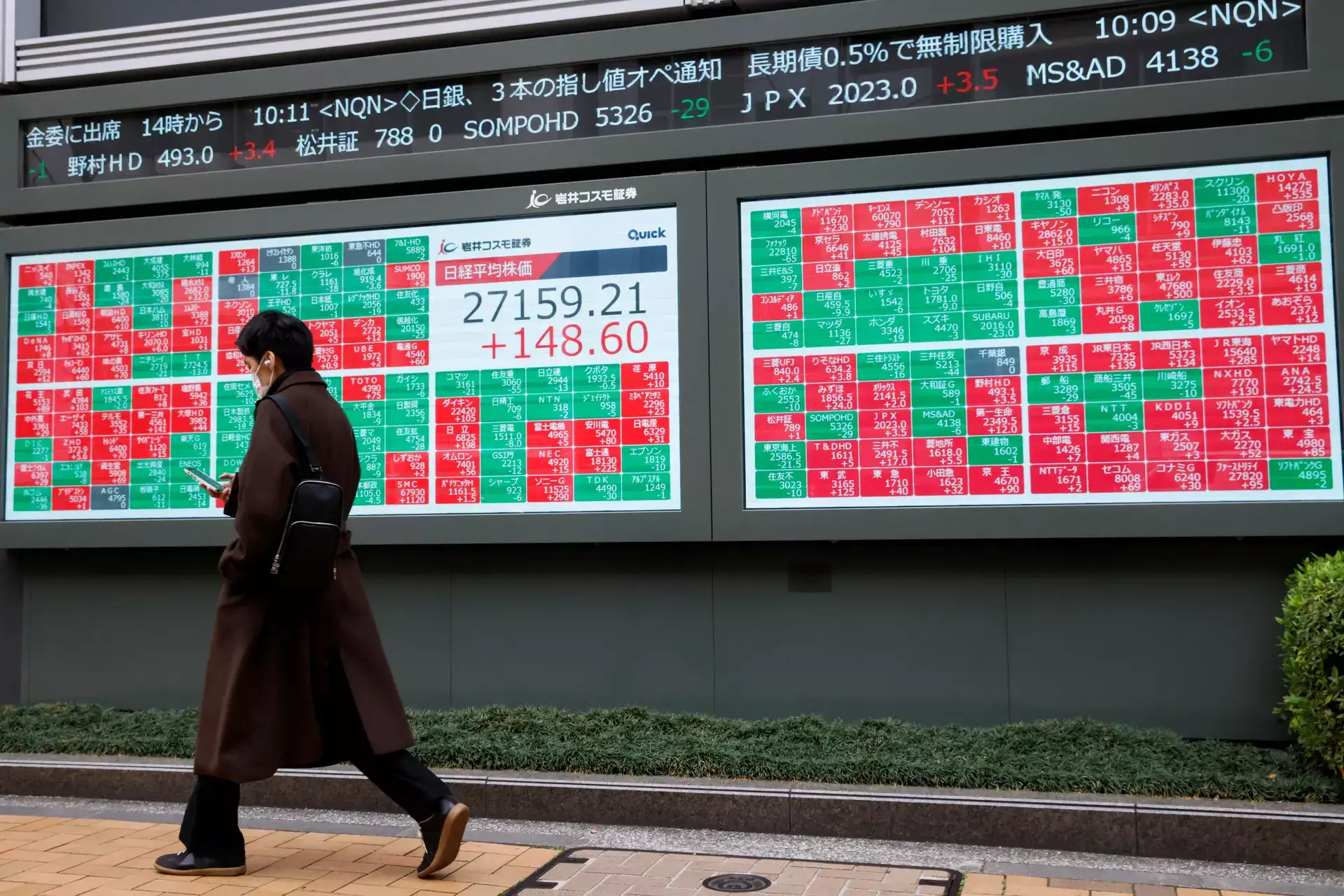
Earlier during the day, Sensex had crashed 1,157 points to fall to 73,493, while Nifty 50 tumbled over 332 points to fall near 23,151. However, the benchmark indices recovered most of the losses by the afternoon, with Sensex and Nifty rising over 850 points and 254 points, respectively, to end the session at 74,346 and 23,406.
The benchmark indices closed up to 0.4% lower, although the losses have sharply contracted after crashing more than 1% in the morning. This comes even as India VIX, which measures volatility in markets, jumped 6% to 16.32.
State Bank of India (SBI), IndiGo, ICICI Bank and Power Grid shares gained 1-2% to lead gains on the Sensex. On the other hand, IT stocks, including TCS, Tech Mahindra, HCL Technologies and Infosys, continued to lead losses, crashing up to 8%.
Nifty Smallcap 100 index and Nifty Midcap 100 index also recovered most of the morning losses to close marginally lower. Sectorally, the Nifty PSU Bank index surged 1.7%, while the Nifty IT crashed around 6%. Around 1,379 stocks advanced on the NSE, while 1,955 declined and 108 remained unchanged.
Why is market recovering?
India is all set to announce steps to draw more foreign investments by reducing taxes and removing caps on the ownership of some bonds as soon as this week, Bloomberg reported, citing people familiar with the matter.
It added that the cabinet on Wednesday is expected to consider a significant cut in the taxes paid by global funds on the nation’s bonds. The cabinet will also consider whether it should eliminate the 20% levy on interest earned from bonds or reduce it to a bare minimum, the report further added.
Additionally, the Reserve Bank of India (RBI) is likely to designate some long-tenor sovereign notes as fully accessible, allowing overseas investors to buy them without limits, sources further told Bloomberg.
The government is also likely to notify its plan to allow individual persons resident outside India, or PROIs, to invest in shares of listed Indian companies through the portfolio investment scheme, according to the people cited by Bloomberg.
The Economic Times couldn’t independently verify the report.
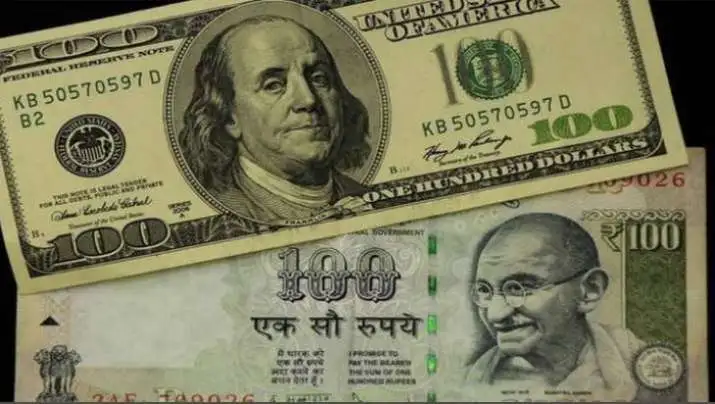
This comes after the rupee witnessed a free fall against the US dollar, falling to new lifetime lows and nearing the historic 100-mark amid persistent FII outflows and surging crude oil prices. This has led to authorities ramping up their efforts to curb the free fall. Prime Minister Narendra Modi last month urged citizens to conserve foreign exchange amid a surge in oil import costs.
Rupee hit an all-time low of 96.9650 on May 20, but has since rebounded as the RBI stepped up support and oil prices eased after renewed US-Iran peace deal hopes. The currency is the second-worst performer in Asia this year, down more than 6% against the dollar.
Foreign investors remained net sellers of Indian equities, net selling shares worth nearly Rs 8,363 crore on Dalal Street on Tuesday. This came after a massive Rs 22,102 crore selloff in just one session on May 29, and Rs 3,843 crore on June 1.
“Even though the sustained FPI outflow is a strong headwind, the fair valuations, the recovery in earnings growth reflected in Q4 numbers and the strong domestic flows can impart resilience to the market,” said VK Vijayakumar, Chief Investment Strategist at Geojit Investments.
What lies ahead?
“Going ahead, the immediate resistance for Nifty is placed in the 23,530-23,550 zone. Any sustainable move above this zone could result in Nifty extending its pullback towards 23,700, followed by 23,950 in the short term. On the downside, the immediate support for Nifty is placed in the 23,270-23,250 zone,” said SBI Securities.