

Post Content People who work with their hands, such as guitar players or carpenters, often develop thick calluses that prevent screens from detecting touch. Others face difficulties when wearing gloves, having very dry skin, or maintaining long nails.
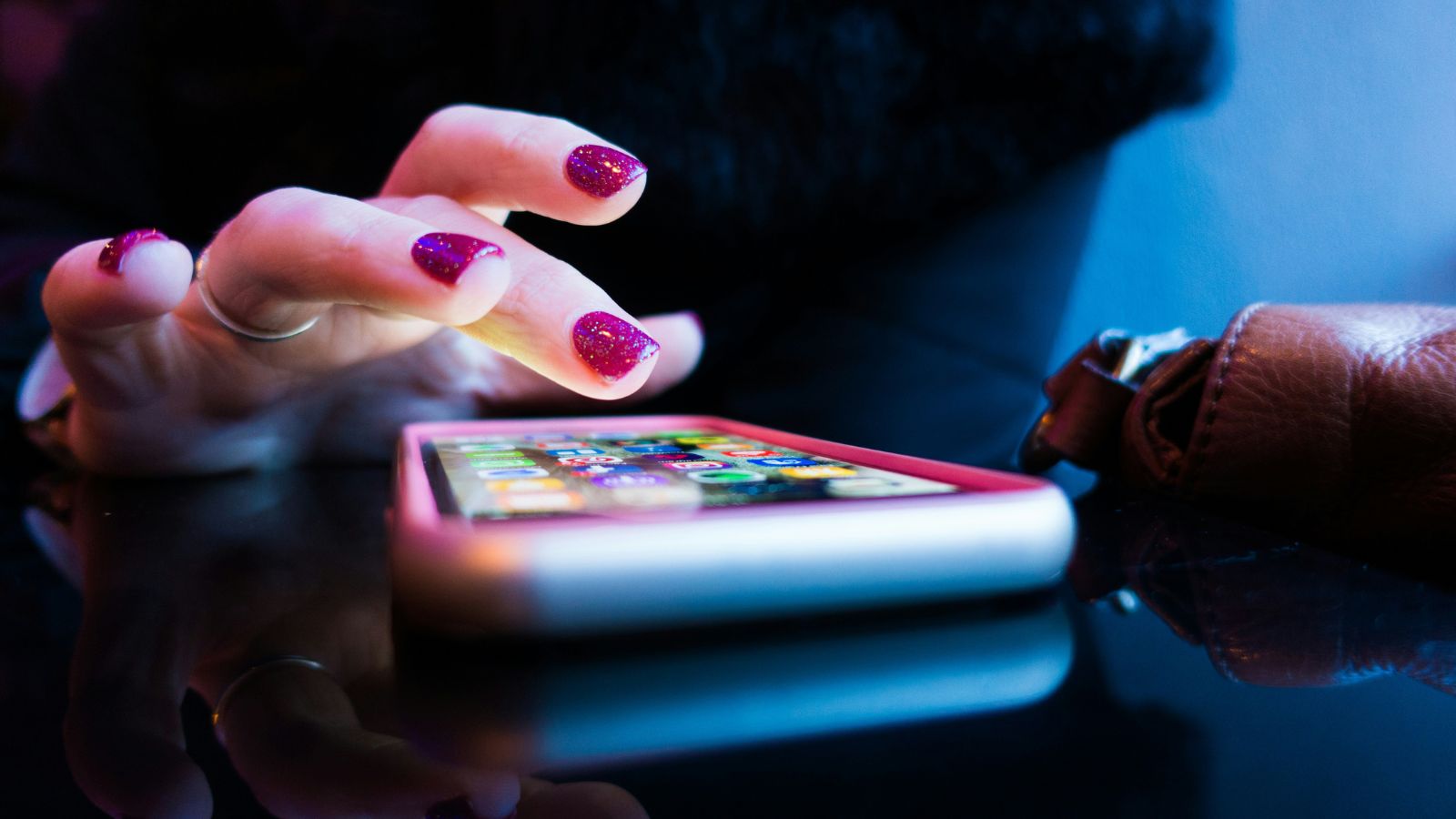
A chemistry student has created a prototype nail polish that could make it easier for people to use smartphones and tablets. The idea is straightforward: turn a fingernail into a working stylus.
The project was led by Manasi Desai at Centenary College of Louisiana, along with her research supervisor, Joshua Lawrence.
Desai said the idea came after noticing that people with long nails or callused fingertips often struggle to use touchscreens. Their goal was to create a clear, safe polish that could mimic how a fingertip interacts with a screen.
“Our final, clear polish could be put over any manicure or even bare nails, which could help people with calluses on their fingertips, too. So, it has both a cosmetic and lifestyle benefit,” Desai was quoted as saying by the American Chemical Society website.
Who could benefit from this innovation?
Touchscreens are widely used, but not everyone finds them easy to operate. People who work with their hands, such as guitar players or carpenters, often develop thick calluses that prevent screens from detecting touch. Others face difficulties when wearing gloves, having very dry skin, or maintaining long nails.
Also Read | The surprising link between basketball shoes and tectonic plates
The researchers were encouraged to move forward after speaking with a phlebotomist who had long nails and struggled with phone use. Phlebotomy is the practice of drawing blood from a vein for use in a transfusion or diagnosis. When asked if such a polish would help, the answer was a clear yes.
“Chemists are here to solve problems and to try to make your world better,” Lawrence said.
Story continues below this ad
How the polish works
Modern touchscreens rely on a property known as capacitance. When a conductive object, like a finger, touches the screen, it disrupts a small electric field. This change is detected as a touch. Fingernails, however, are not conductive, which is why they do not work on their own.
Previous attempts to solve this issue involved adding materials like carbon nanotubes or metals to nail polish. While effective, these materials can be unsafe and limit the polish’s appearance.
Desai took a different approach. She tested 13 clear nail polishes and more than 50 additives to find a formula that was clear, non-toxic, and conductive. The most promising combination included taurine, an amino acid, and ethanolamine, an organic compound.
Challenges before it reaches users
While the results are promising, the polish is still in the early stages. One major issue is durability. The current formula only works for a limited time.
Story continues below this ad
Also Read: The 10,000-year hard drive: Microsoft’s new breakthrough uses glass to store data forever
“All our formulations lose efficacy too quickly,” Lawrence told Live Science in an email. “They stop working after hours or days, and we want them to work for days or weeks, minimum.”
The team is also working to improve the look and safety of the product. Some versions appear gritty or speckled, which may not appeal to users.
Despite these challenges, the researchers have already filed a provisional patent. The polish, while currently existing as a proof of concept, also hints at a potential solution to make technology more accessible.
© IE Online Media Services Pvt Ltd
