

Airlines, oil refiners, paints, fertilisers and restaurants are the sectors that are expected to be the worst hit. (Reuters)
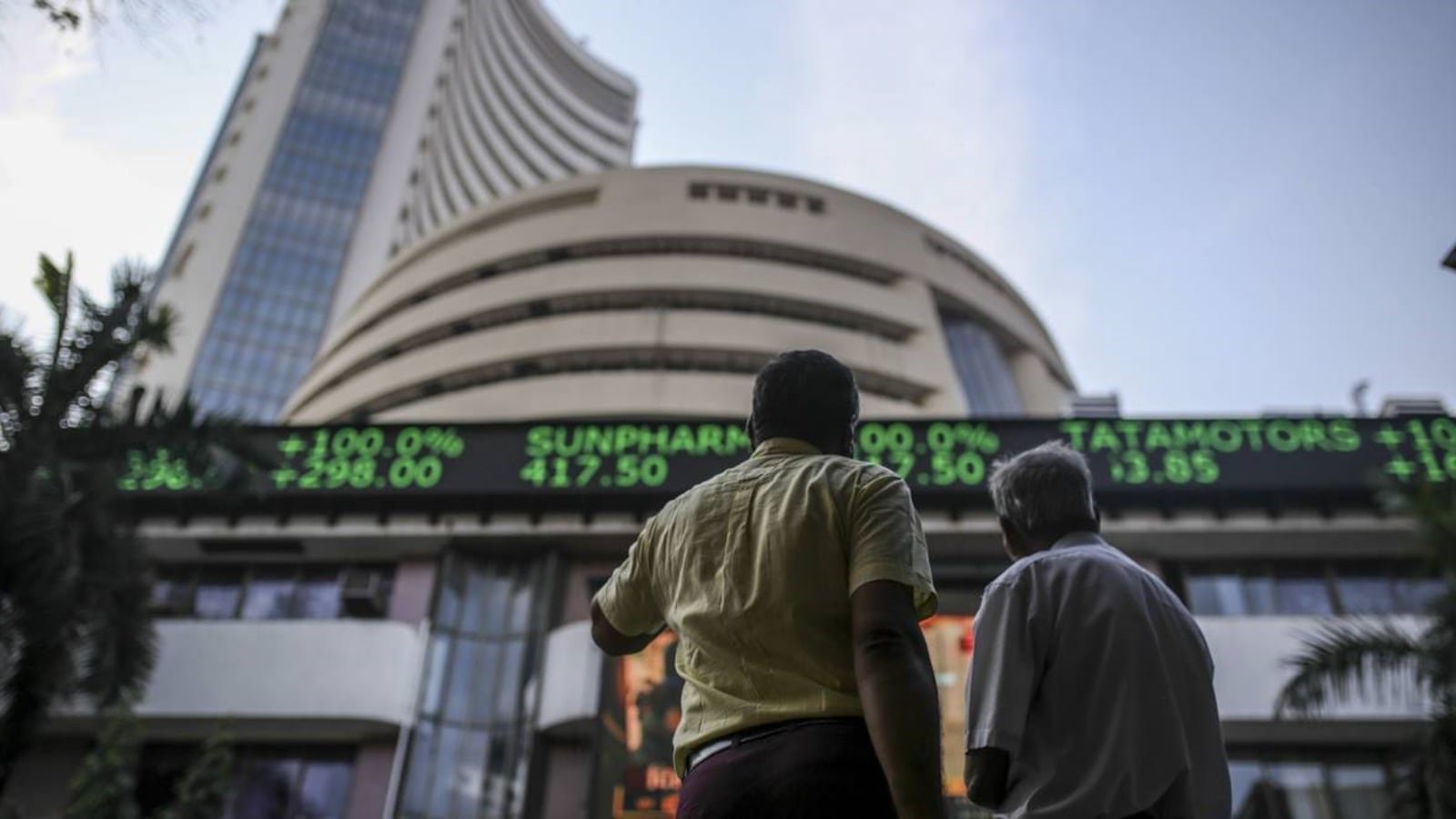
Benchmark stock indices lost steam after last week’s rally and were down nearly 2% in early trade on Monday as peace talks between Iran and the US collapsed, heightening the risk of renewed conflict in West Asia.
The NSE’s Nifty 50 index was down 1.8% at 23,625.95 points at around 09:50 AM. The BSE’s Sensex index was also down 1.8% at 76,171.40 points. The fall comes after last week’s 6% rise, with the indices rallying 4% following the interim ceasefire announcement between the two countries on Wednesday. That led the benchmark indices to break a six-week decline last week.
However, market direction has again turned volatile following the collapse of peace talks held between the two nations in Islamabad, Pakistan. US President Donald Trump announced a blockade of the Strait of Hormuz after peace talks fell through, potentially disrupting global trade. “Effective immediately, the United States Navy, the Finest in the World, will begin the process of BLOCKADING any and all Ships trying to enter, or leave, the Strait of Hormuz. Any Iranian who fires at us, or at peaceful vessels, will be BLOWN TO HELL!” Trump wrote on Truth Social.
Crude oil prices rose 7% after the announcement to around $102 a barrel, putting pressure across global markets. Most Asian markets are lower on Monday. While both parties have kept the possibility of future talks open, market participants across the world will remain cautious due to the volatile nature of the conflict.
“The energy crisis triggered by the conflict in West Asia, the potential impact of the crisis on Indian economy and sustained depreciation of the rupee kept the FPIs on sell mode. Other markets like South Korea and Taiwan are considered more attractive from the FPI perspective since these markets are expected to deliver much superior earnings growth when compared to the modest earnings growth expected in India in FY27,” according to VK Vijaykumar, chief investment strategist at Geojit Financial Services.
While foreign investors (FIIs) have continued to pull out money from the Indian markets, the pace has slowed as the month of April has gone on. On Friday, data from the National Securities Depositories Ltd. showed FIIs pulled out $223 million. They had pulled out $144 million and $743 million in the two sessions before that. In comparison, these players had pulled out $2.2 billion and $1 billion, respectively, in the first couple of sessions of the month.
In India, all sectoral indices are deep in the red in early trade. The India VIX, which had fallen 8% on Friday, has risen 14% on Monday as investor sentiment has turned volatile again due to geopolitical uncertainty. All broader market indices also declined, showing a broad-based fall in the market.
Story continues below this ad
Looking ahead, market direction will remain sensitive to geopolitical developments and their implications for India’s macro environment. Corporate earnings will also be in focus as market participants assess the impact faced by India Inc due to the uncertain geopolitical conditions. Any positive surprises on that front may again help turn the mood regarding Indian equities.
© IE Online Media Services Pvt Ltd
