Some US Federal Reserve officials have discussed extending the duration of the central bank’s dollar swap lines with major global peers in a move aimed at reinforcing financial stability amid rising geopolitical and economic risks, according to minutes of the Fed’s latest policy meeting reviewed by Reuters.
The discussion, which took place during the Federal Open Market Committee’s April 28-29 meeting, focused on whether the Fed should lengthen the current one-year renewal structure of its standing U.S. dollar liquidity arrangements with five major central banks, including the Bank of Japan and the European Central Bank.
Reuters reported that several policymakers viewed longer-term arrangements as potentially beneficial for global financial stability at a time when international markets are facing renewed stress from escalating conflict involving the United States, Israel and Iran. The war has driven sharp increases in energy prices and intensified concerns over the resilience of the global financial system.
Dollar swap lines allow foreign central banks to access U.S. dollars directly from the Federal Reserve during periods of market stress, helping stabilise funding markets and ensuring banks around the world can continue to access dollar liquidity. The arrangements became a crucial pillar of the international financial system during the 2008 global financial crisis and were heavily relied upon again during the COVID-19 market turmoil.
According to the Fed meeting minutes cited by Reuters, several officials suggested that extending swap line agreements beyond their annual rollover schedule could provide greater certainty to financial markets and reduce risks during periods of volatility.
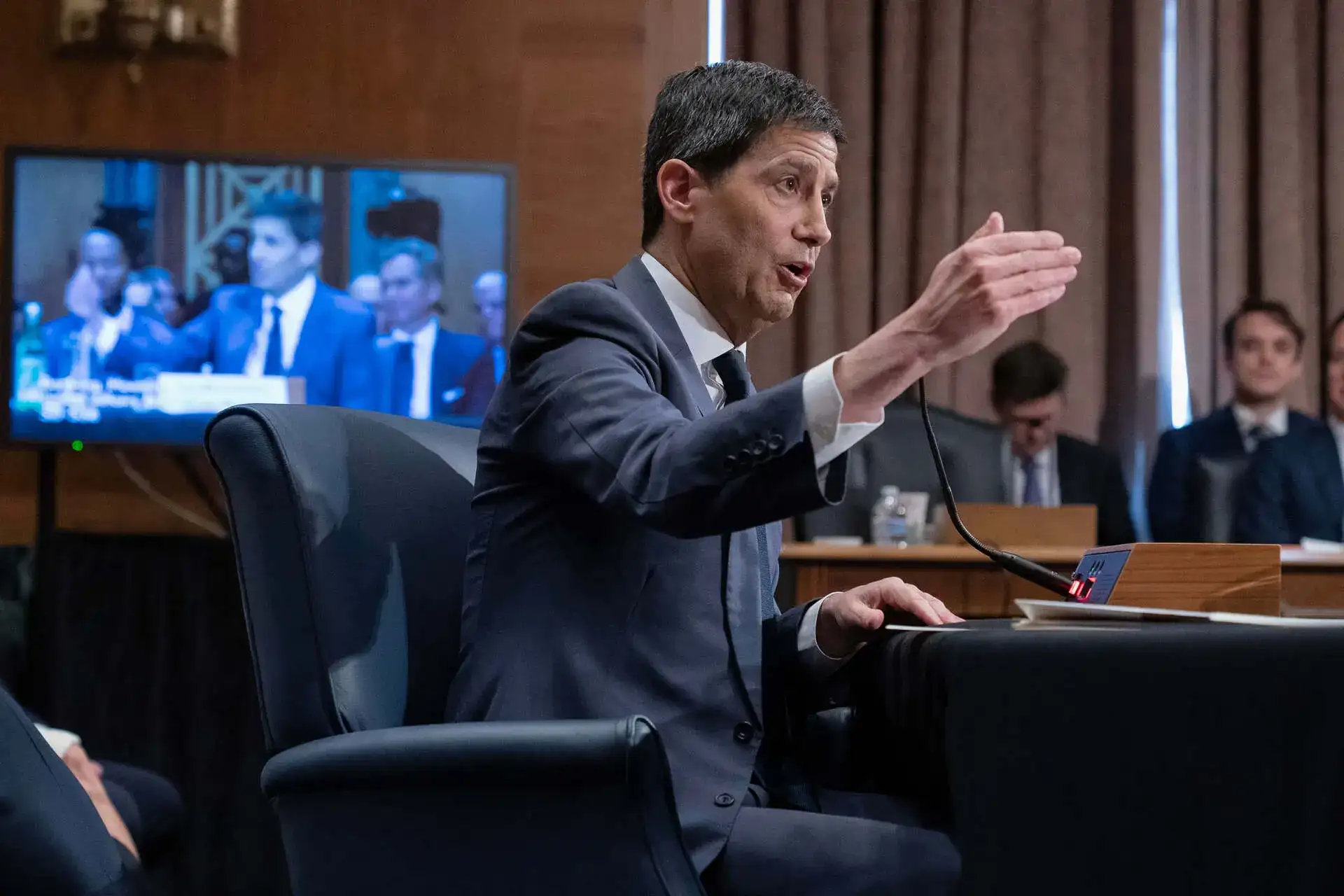
The debate also comes amid broader concerns among U.S. allies over Washington’s long-term reliability in both defence and financial coordination. Reuters reported that comments from incoming Federal Reserve Chair nominee Kevin Warsh have raised questions among some European policymakers about the scope of the Fed’s independence in international crisis management.
In written responses to questions from Senator Elizabeth Warren, Warsh indicated that while the Federal Reserve retains significant independence in conducting monetary policy, matters involving international finance require coordination with the U.S. administration and Congress, according to Reuters.
The remarks have fueled debate over whether future Fed leadership could take a more politically aligned approach to global financial backstops at a time when the dollar remains central to international trade, banking and cross-border financing.
Analysts say any move to lengthen the duration of dollar swap lines would signal the Federal Reserve’s commitment to maintaining stability in the global financial system as geopolitical tensions and market fragmentation risks continue to rise.