The S&P 500 and Nasdaq Composite fell on Thursday as Nvidia CEO Jensen Huang’s departure rattled the AI trade, while higher oil prices added to inflation concerns, Reuters reported.
The Dow Jones Industrial Average was up 35.53 points, or 0.07%, at 52,522.02. The S&P 500 fell 22.06 points, or 0.29%, to 7,597.32, while the Nasdaq Composite lost 141.55 points, or 0.56%, to 25,322.31.
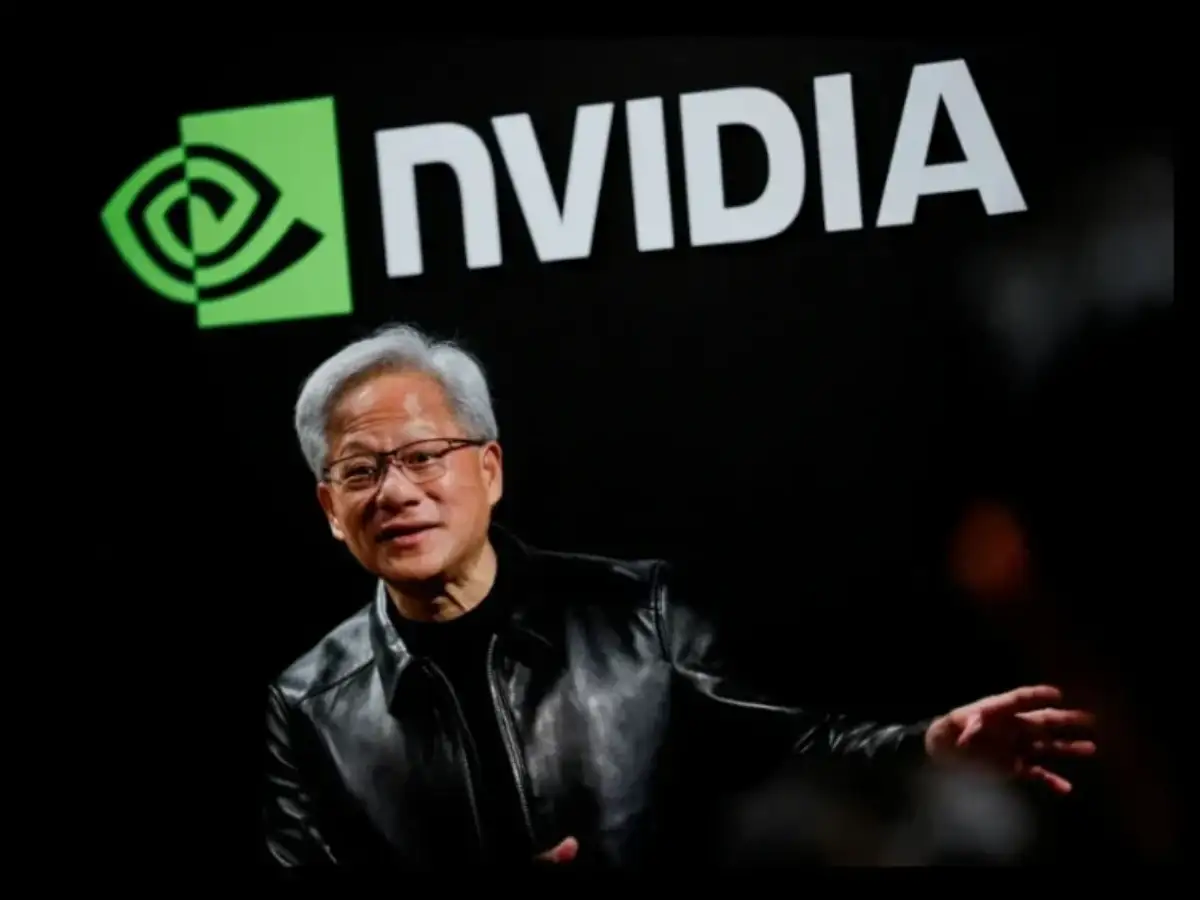
Nvidia shares dropped 7.6% after Huang resigned from the company at the center of the AI boom, following reports linking him to a second extramarital affair. Chief Financial Officer Colette Kress will serve as interim CEO.
“It leaves the company rudderless. He was so central to all their strategy, and it just highlights that there’s quite a void there,” Kathleen Brooks, research director at XTB told Reuters. “It does throw the AI trade into a bit more confusion. You don’t have someone who was a cheerleader for AI in the same way that Jensen Huang has.”
Other AI-linked stocks also came under pressure after neocloud company Nebius said its 2026 revenue would be at the lower end of its previous forecast. Nebius shares tumbled 17%, while peer CoreWeave fell about 7%.
The Philadelphia SE Semiconductor Index declined 1.3%, with Intel, Marvell Technology and Micron losing between 2.8% and 4.2%. Data-center companies IREN, Applied Digital and Core Scientific dropped between 3% and 5%.
Also Read | Nvidia shares plunge 13% after Jensen Huang quits as CEO; Colette Kress named interim chief
The declines threatened to erase Wednesday’s gains, when strong results from CoreWeave helped AI stocks regain some ground.
Other Magnificent Seven stocks performed better. Amazon gained 2.3%, while Alphabet, Microsoft and Apple edged higher. Nvidia rivals Advanced Micro Devices and Broadcom rose 4.3% and 5.5%, respectively.
The S&P 500 technology sector declined 1.3%, outweighing gains elsewhere in the benchmark. Six of the 11 major sectors traded higher.
Inflation data awaited as oil rises
Investors are awaiting Friday’s Producer Price Index, which could provide fresh clues about inflation after data earlier this week showed consumer prices rose more than expected last month.
Oil’s decline so far in November has helped ease some concerns about price pressures, but geopolitical risks in the Middle East remain in focus. Brent crude futures rose 0.8% on Thursday after US President Donald Trump said, “We don’t need a deal with Iran.”
Traders see a Federal Reserve rate increase in December as a certainty, with a roughly 13% probability of a larger 50-basis-point move, according to the CME FedWatch tool.
“Energy effects will take longer to fade. Oil prices have remained near $100 per barrel for much of the year, extending their contribution to inflation,” said Josh Hirt, senior US economist at Vanguard.
“But absent a renewed and sustained increase in prices, that contribution should remain limited.”
Elsewhere, Michael Saylor’s Strategy fell 6.6% after index provider MSCI said it would remove the stock from its global indexes.
Declining stocks outnumbered advancing issues by 1.99 to 1 on the NYSE and 2.68 to 1 on the Nasdaq. The S&P 500 recorded 16 new 52-week highs and one new low, while the Nasdaq Composite posted 27 new highs and 101 new lows
(Disclaimer: This article is based on inputs from agencies. These do not represent the views of The Economic Times)