
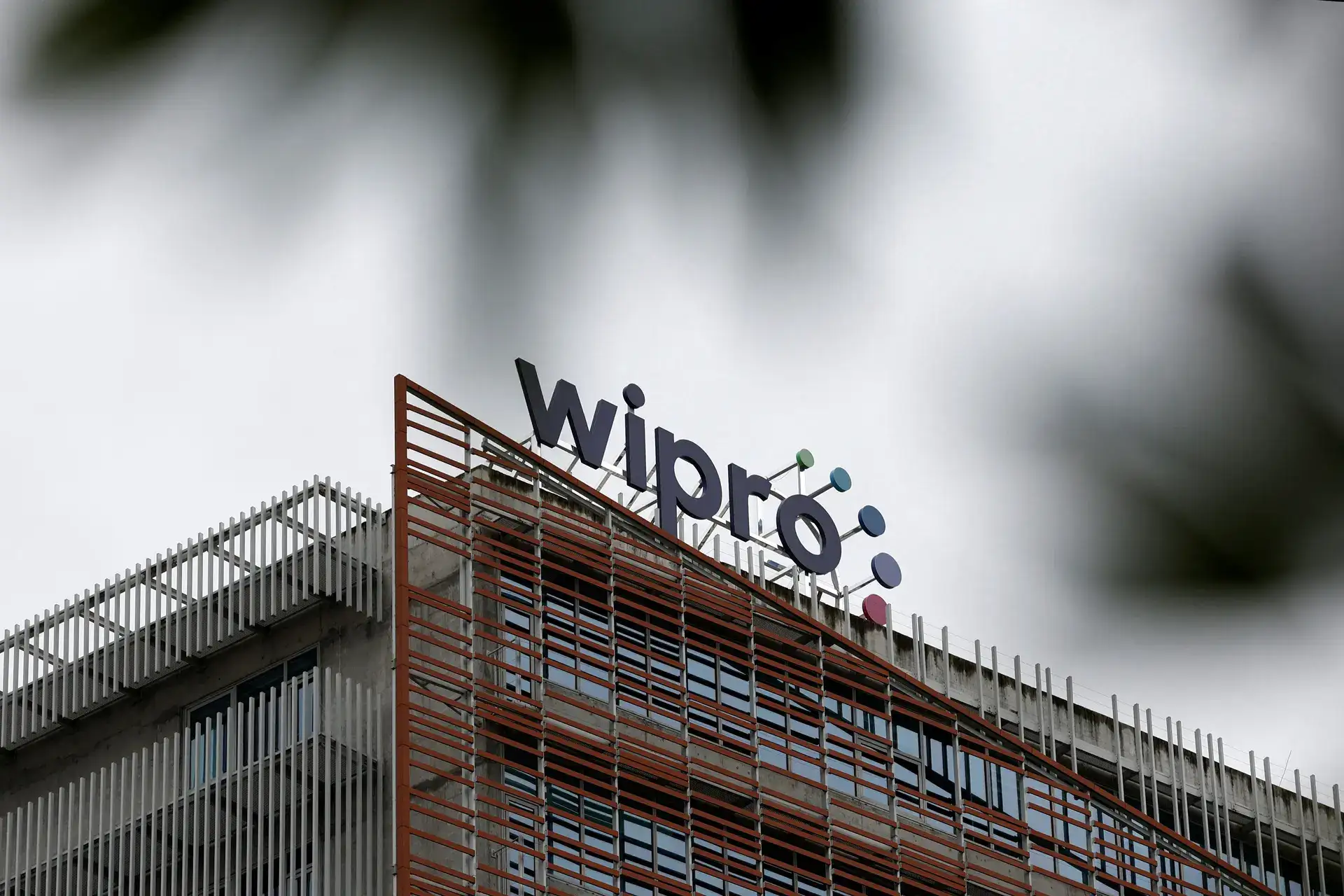
Shares of Wipro, the information technology major, fell more than 5% to an intraday low of Rs 187 on the BSE on Monday, extending losses for a second consecutive session. The stock has declined over 8% during this two-day period.
The decline comes days after the stock turned ex-record date for the company's Rs 15,000 crore share buyback. Wipro had fixed June 5 as the record date for its buyback programme. Shareholders who held the stock in their demat accounts on that date are eligible to participate in the tender offer.
The IT services major had announced the buyback in April at Rs 250 per share, representing a premium of about 22% over the then-current market price. The company's board approved the repurchase of up to 60 crore shares, equivalent to 5.7% of its paid-up equity capital, for an aggregate amount not exceeding Rs 15,000 crore.
The buyback will be conducted through the tender route, allowing all eligible shareholders, including those who received equity shares after cancelling their American Depository Receipts (ADRs), to participate. Wipro has also stated that members of its promoter and promoter group intend to tender shares in the offer.
While buybacks are generally viewed positively as a means of returning excess cash to shareholders, stocks can witness profit-booking after the record date as investors who accumulated shares to qualify for the offer exit their positions.
Meanwhile, Morgan Stanley has maintained its 'Underweight' rating on Wipro shares, with a target price of Rs 192, implying a 3% downside. The brokerage said the company's near-term growth outlook remains clouded by portfolio and client-specific challenges, although it did not see any incremental deterioration in the first quarter of FY27.
The brokerage expects Wipro to continue lagging its peers in quarter-on-quarter revenue growth. It noted that while the company has maintained its medium-term margin guidance of 17%-17.5%, upcoming wage hikes could put pressure on margins and push them below that range in the near term.
Morgan Stanley also said revenue pressures reflect intense competition across the industry rather than solely the impact of AI-driven productivity gains being passed on to clients. It added that modern deal structures are increasingly blurring the distinction between organic and inorganic growth, with strategic contracts often involving upfront productivity commitments.
The brokerage further highlighted that AI adoption is likely to be non-linear, with client spending simultaneously supporting new AI-led opportunities while cannibalising portions of existing services revenue.
Also read: D-Street investor wealth takes Rs 5 lakh crore hit. 6 factors behind today’s selloff
Sentiment also took a hit after the US tech index, Nasdaq, plunged 4% on Friday amid rising bond yields, which may trigger a Fed rate hike later this year. Rising U.S. bond yields and Fed rate hike expectations are typically negative for Indian IT stocks as they compress valuations of growth companies, raise concerns over slower technology spending by US clients, encourage cost-focused rather than expansionary IT budgets, and can trigger foreign investor outflows from emerging markets.