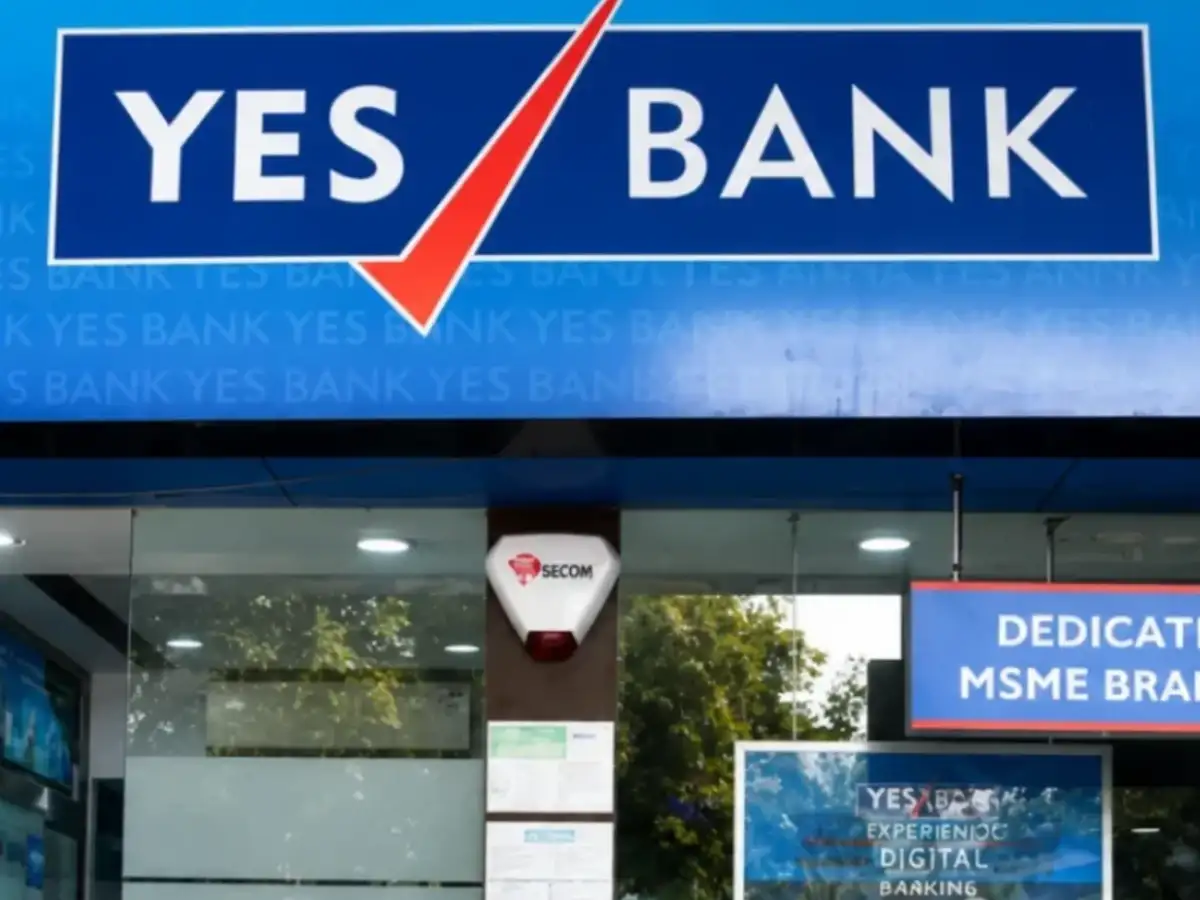
Mumbai: Yes Bank expects its Common Equity Tier 1 (CET1), or core loss-absorbing capital, to shrink more than two percentage points to 11.4% as of September after India's top court voided the 2020 write-down of additional Tier 1 bonds, prompting a 17% stock hemorrhage since Thursday.
"The manner and the timing of reinstatement of the bonds as well as payment of the coupon is also under assessment," Niranjan Banodkar, CFO, Yes Bank told analysts over a call after the earnings.
Also Read: Yes Bank CET1 may fall to 10% if past AT1 coupons are paid: Crisil
Banodkar said repayment to boldholders by the lender, in which Japan's Sumitomo Mitsui Banking Corp (SMBC) is the biggest investor with a 24.9% stake, would depend on the terms of the bonds' information memoranda and the Supreme Court judgment. The bank's overall Tier 1 capital ratio is expected to remain around 13.7%, above the minimum required by Indian regulations.
The stock lost a further 3.5% Monday to Rs 16.88 apiece on the National Stock Exchange.
While the lender assesses legal options after the ruling, it need not immediately pay the bondholders, the bank said. Instead, the principal bond outstanding of Rs 8,415 crore would effectively move from the bank's reserves to borrowings or liabilities on its balance sheet.
"There is no repayment, no cash outflow on the borrowing. It is just an accounting that we will have to restate," Banodkar said.
The lender is evaluating potential capital measures as the payout puts conflicting demands on the growth purse. "We believe that we will continue to evaluate areas of capital actions to make sure that the bank remains well capitalised in order to fulfil its growth objectives," managing director and chief executive Vinay Tonse said during the call. "Any capital decision will be based on a assessment of regulatory requirements, the cost and availability of capital, shareholder interests and long-term objectives,"
The Supreme Court on October 15 upheld the Bombay High Court's decision setting aside the write-down of Yes Bank's AT1 bonds, reversing a key measure undertaken during the lender's reconstruction in March 2020.
While the bank has quantified the potential capital impact arising from reinstatement of the principal, the treatment of accumulated unpaid coupons remains unresolved, raising the possibility of an additional financial obligation.
Appeals?
Tonse said the lender was studying the ruling before deciding its next course of action, including possible legal remedies.
"We are examining the judgment in detail, including the available legal options and appropriate steps going forward," he said.
The bank stressed that its assessment of the 240 bps CET1 shrinkage to 11.4% was indicative and that the final accounting and regulatory treatment would be determined after its review.
Despite the potential capital implications, Yes Bank said its business growth priorities remain unchanged. The lender reported a 23.7% YoY increase in advances during the September quarter, while normalised loan growth, excluding foreign currency term loans linked to FCNR(B) mobilisation, stood at 17.6%.