10 crore mutual fund investors, Rs 150 lakh crore AUM: Inside AMFI's massive 2030 roadmap



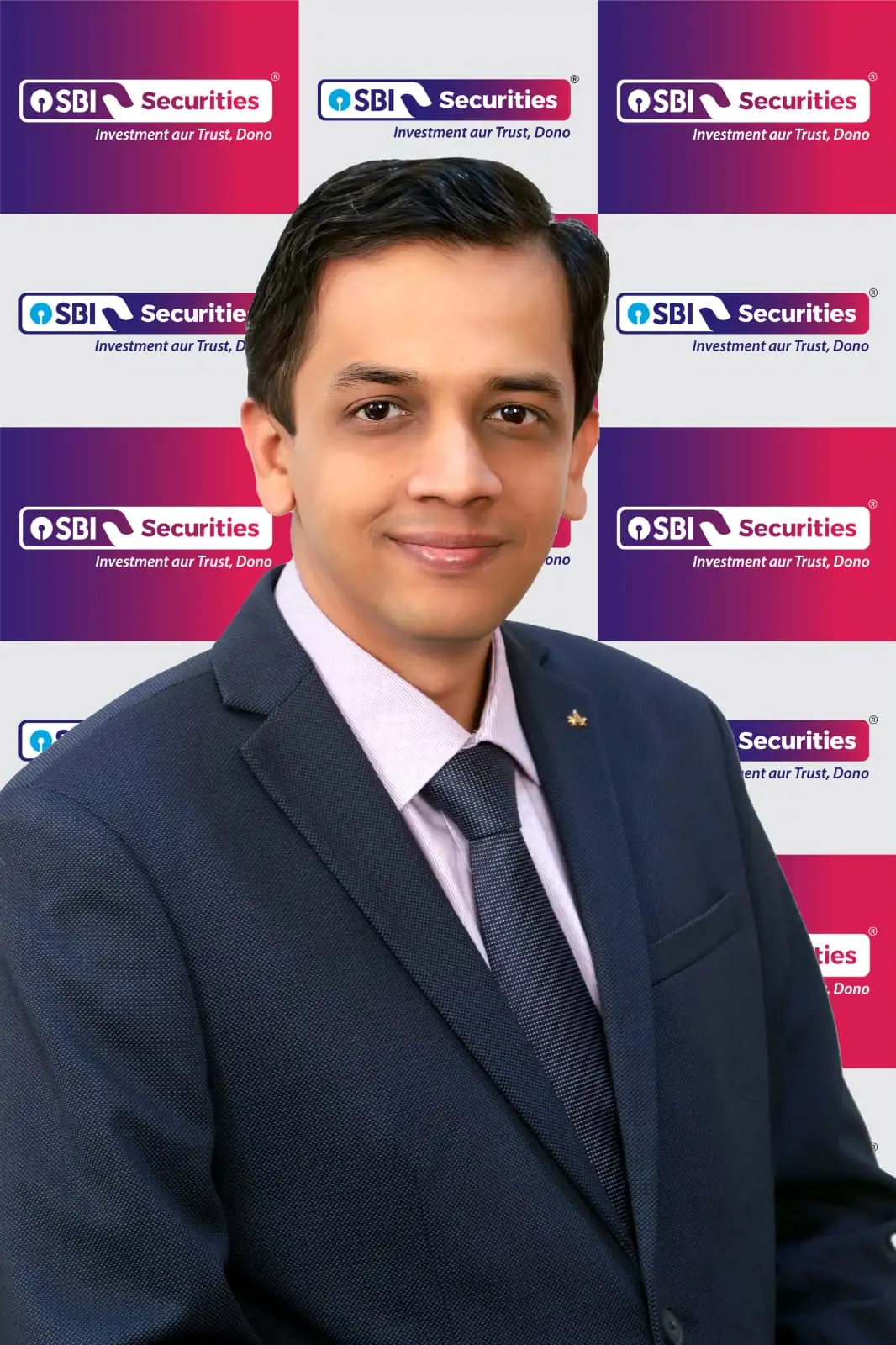
SBI Securities expects Nifty's breakout to strengthen if it crosses 24,450, opening the door to 24,900. While small-caps continue outperforming, Bank Nifty retains a positive bias. The brokerage also highlights Aurobind...
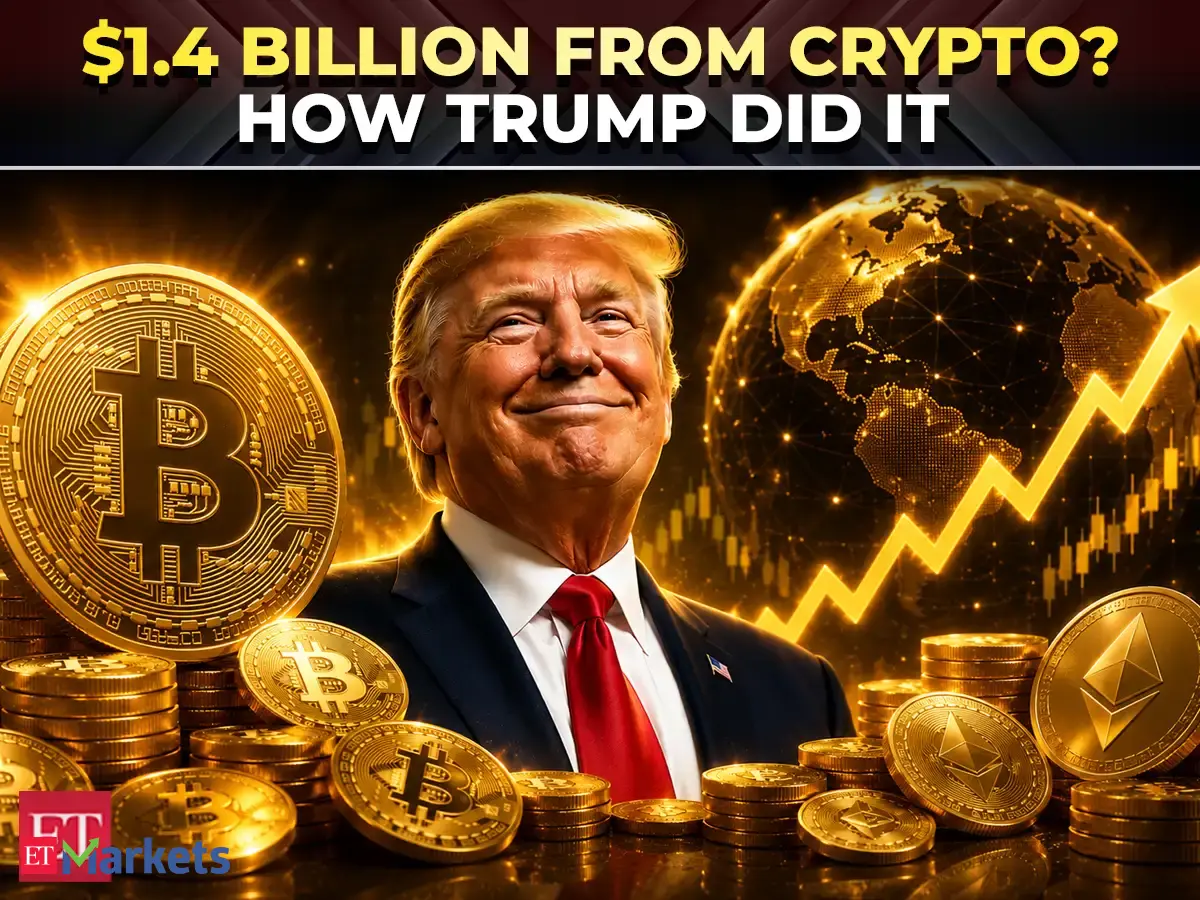
Donald Trump has disclosed that he earned more than $1.4 billion from cryptocurrency in just one year, making crypto one of his largest reported sources of income. The revelation comes from a 927-page financial disclosure, sparking fresh debate in Washington over politics, digital assets, and presidential finances.
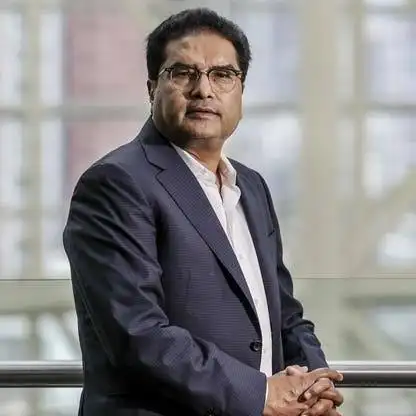
Motilal Oswal Chairman Raamdeo Agrawal says purposeful reading shapes better investors and recommends seven timeless investing books, including works by Peter Lynch, Warren Buffett, Philip Fisher and Howard Marks, urgin...

Retail investors raised stakes in 195 Nifty Smallcap 500 stocks during the March 2026 quarter, with over 100 delivering 25-185% returns since April. Four stocks turned multibaggers, while Cemindia Projects, Apollo Micro...

Bitcoin rebounded near $62,000 after recovering from last week's lows, supported by optimism over Federal Reserve policy. Ethereum and major altcoins also gained, though investors remain cautious amid inflation, geopoli...

Gold has corrected sharply from record highs as a stronger US dollar, elevated bond yields and expectations of prolonged higher interest rates weighed on prices. Experts view the decline as a technical correction, recom...

Kusumgar's ₹650 crore IPO will open on July 8 with a 33% grey market premium. The engineered fabrics maker, serving defence and aerospace sectors, is launching a pure offer for sale, while two SME IPOs are also schedule...

Monarch Networth Capital has maintained Buy ratings on Pricol, Redington, Sundram Fasteners, Travel Food Services and Viyash Scientific, citing strong earnings growth, improving margins and business expansion. The broke...

Edward Chancellor advocates the capital cycle approach, urging investors to focus on industry supply, capital allocation and management quality instead of demand forecasts. He argues disciplined capacity, rational compe...
Bitcoin's next rally is likely to be driven by liquidity, ETF inflows and monetary conditions rather than retail hype, according to Mudrex's Prateek Gupta. Institutional investors, Fed policy, global money supply and on...

Despite recent volatility, wealth managers believe NRIs should remain invested in India, citing strong structural growth, resilient domestic capital markets, improving corporate fundamentals and long-term earnings poten...
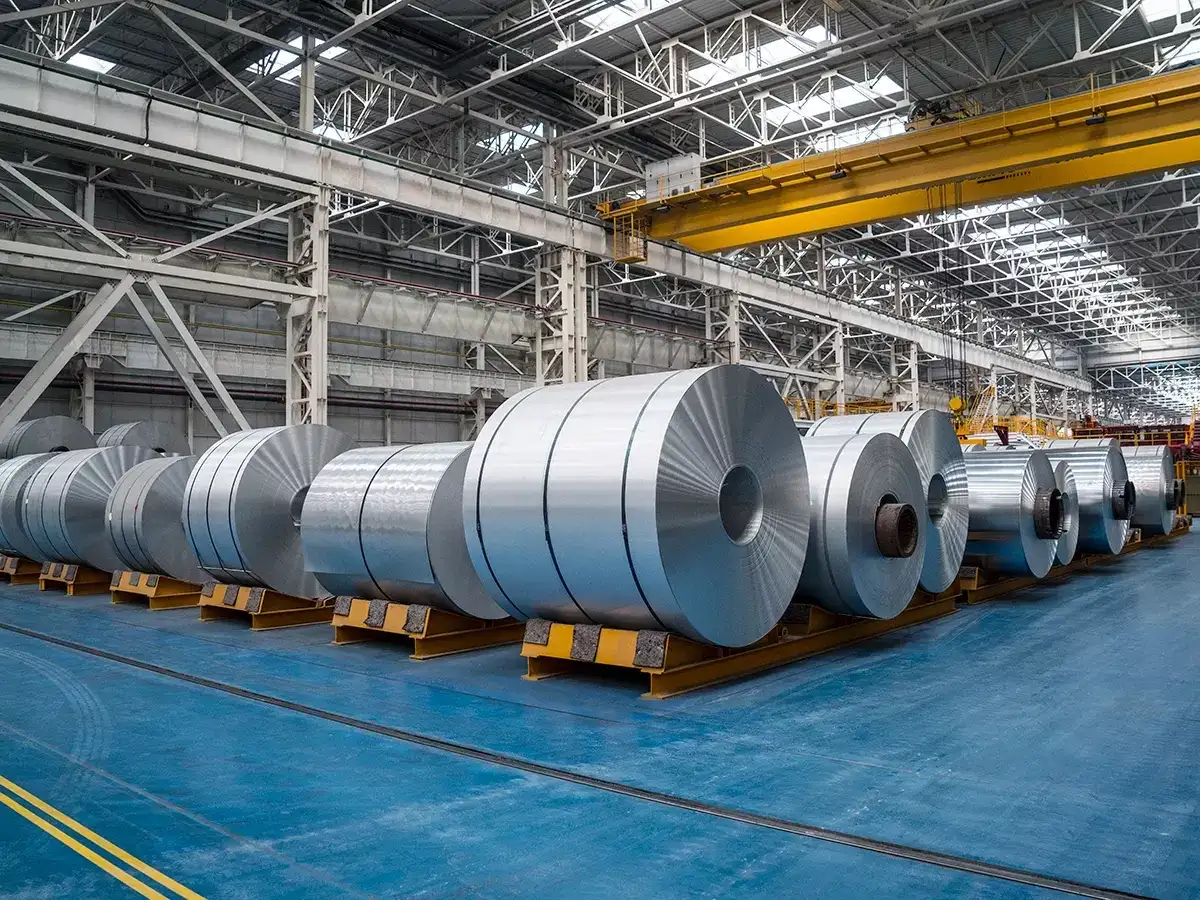
Record copper prices are accelerating manufacturers' shift toward aluminium, driven by lower costs and lighter weight. Automakers are expanding aluminium use as supply shortages, energy transition demand and geopolitica...