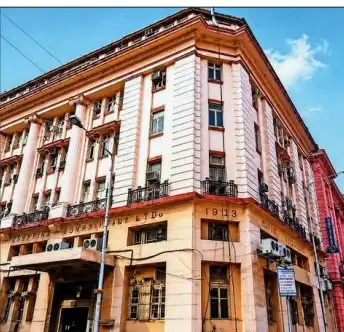
Kolkata/Mumbai: The Calcutta Stock Exchange (CSE) is seeking to revive itself with a new technology backbone, trading infrastructure and disaster recovery site. This process, backed by the new state government, will require the 118-year-old institution to withdraw the voluntary exit application filed with the Securities & Exchange Board of India (Sebi) last year, said people aware of the matter. CSE is said to have the required capital to run the trading operation although much of it is currently locked in an escrow account.
"CSE's board will have to pass a fresh resolution and formally inform Sebi that it intends to withdraw its voluntary exit application as per norm," said one of the persons. It had written to Sebi in February 2025 seeking a voluntary exit after a board-approved resolution to wind up the exchange business. Following the application, Sebi had appointed an independent valuer to assess its assets and constituted a working group to examine exit modalities.
The exchange, in which the BSE holds 5.05% and the West Bengal Infrastructure Development Finance Corporation holds 3.4%, has a net worth of over ₹300 crore, said people with knowledge of the matter. Its reported income in FY25 was ₹26 crore, largely from annual listing fees and bank interest. Earlier in the year, it sold a parcel of land in the city's Eastern Metropolitan area that it got during the Left Front rule's in the 1990s for ₹253 crore. The unlisted shares of CSE were last quoted at ₹1,995 on grey market platforms on July 10, up from ₹1,500 on June 21, a trader said.
While the proposed revival will require the exchange to overcome regulatory, technological and commercial hurdles before it can resume full-fledged operations, the renewed push driven by state finance minister Swapan Dasgupta has raised expectations.
"It will create new job opportunities in the state," said JM Chaudhury, who served as CSE president three times between 1994 and 2000. "However, CSE should have its own trading platform like the one we developed. Otherwise, no recovery effort would become fruitful."
The exchange had installed C-STAR, a proprietary CSE screen-based trading and reporting platform, on February 26, 1997. Inaugurated by then chief minister Jyoti Basu, it replaced the manual open-outcry trading system.
Chaudhury also said that the potential revival would reduce the cost of trading for local brokers who were forced to shift to the National Stock Exchange or BSE following the suspension of trading on the CSE in April 2013. Sebi barred trading on the CSE due to the exchange's failure to comply with regulatory requirements. Incorporated in 1908, the CSE was one of India's leading bourses in its heyday. The state's initiative aims to restore Kolkata's status as an eastern Indian financial hub.
"The revival would have multifarious advantages, including easier access to capital for eastern India, lower costs of listing and trading and create new jobs," finance minister Dasgupta said in his budget speech on June 22. However, the effort will only succeed if it's commercially viable, according to members of the local broking community.
“The Calcutta Stock Exchange could tap the business potential available in the eastern region. The state government's move to revive CSE is expected to pave the platform for it,” a CSE official said.
It must look to create niche products, and position itself as an incubation and small business listing platform for eastern India entities, a Kolkata-based broker said. Sebi had introduced an exit framework for regional stock exchanges in 2012, allowing those with an annual trading turnover below Rs 1,000 crore to voluntarily surrender their recognition.
The regulator had also stipulated that exchanges failing to either achieve the minimum turnover threshold or apply for voluntary exit within two years would face compulsory de-recognition and exit.