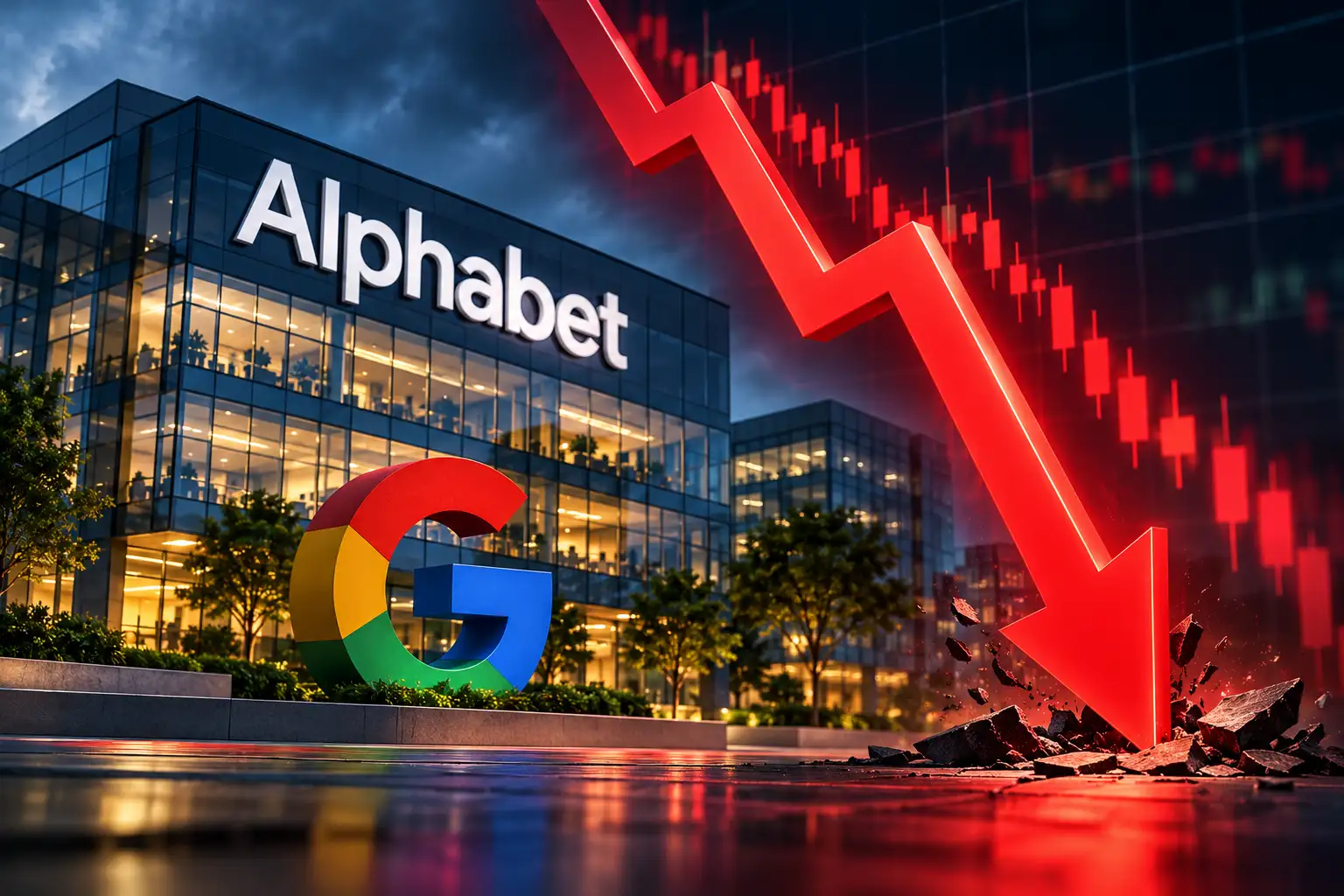
Alphabet shares slumped more than 10% in extended trading on October 28 after the Google parent reported weaker-than-expected quarterly results. Investors focused on slowing advertising growth, disappointing earnings and mounting costs associated with its artificial intelligence expansion. The sell-off highlighted concerns over whether the company's AI investments can deliver sufficient financial returns. (Sources: CNBC, The Wall Street Journal, Reuters)
Revenue misses estimates despite 25% growth
Alphabet reported third-quarter revenue of $127.6 billion, up 25% from a year earlier but below Wall Street's estimate of $128.2 billion, according to Reuters. The shortfall showed that strong growth across its business was not enough to satisfy investors, who had been expecting more from the technology giant amid a global boom in AI-related spending.
Advertising weakness weighs on Google's results
Google's advertising business emerged as a key concern after revenue from ads reached approximately $82 billion, missing analyst expectations by around $1.4 billion. Search and other advertising revenue rose 12% year on year to $63.3 billion, while YouTube advertising revenue increased 9% to $11.2 billion. Investors are watching whether AI-powered search experiences can sustain advertising growth as user behaviour evolves.
Google Cloud emerges as the bright spot
Google Cloud delivered one of the strongest performances in the quarter, with revenue more than doubling to $30.7 billion. Demand for AI infrastructure, enterprise AI solutions and cloud services helped the division exceed market expectations. Its growing business backlog also underscored strong customer commitments, offering Alphabet an important source of future growth even as its advertising business faces pressure.
AI investments drive cash burn higher
Alphabet's aggressive AI infrastructure expansion came at a significant cost. The company reported negative free cash flow of approximately $9.1 billion for the quarter, compared with analyst expectations of a near break-even performance. Spending on data centres, computing capacity and AI research has intensified investor concerns about the financial burden of competing in the AI race.
Bigger capital spending plans add to investor concerns
Alphabet maintained its 2026 capital expenditure forecast of $195 billion to $205 billion but signalled that spending would increase significantly in 2027. The prospect of even larger investments has raised questions about future cash generation and profitability. Investors must weigh the potential for AI to strengthen Google's competitive position against the risk that infrastructure costs will outpace near-term financial returns.
Can Google's AI strategy restore investor confidence?
Alphabet faces the challenge of demonstrating that AI can strengthen its core search business while creating new revenue streams through Google Cloud and Gemini. Cloud growth provides evidence of strong enterprise demand, but weaker-than-expected advertising results and negative free cash flow have raised the bar for future performance. Investors will look for clearer evidence that AI spending can translate into sustainable growth, stronger cash generation and improved shareholder returns.