

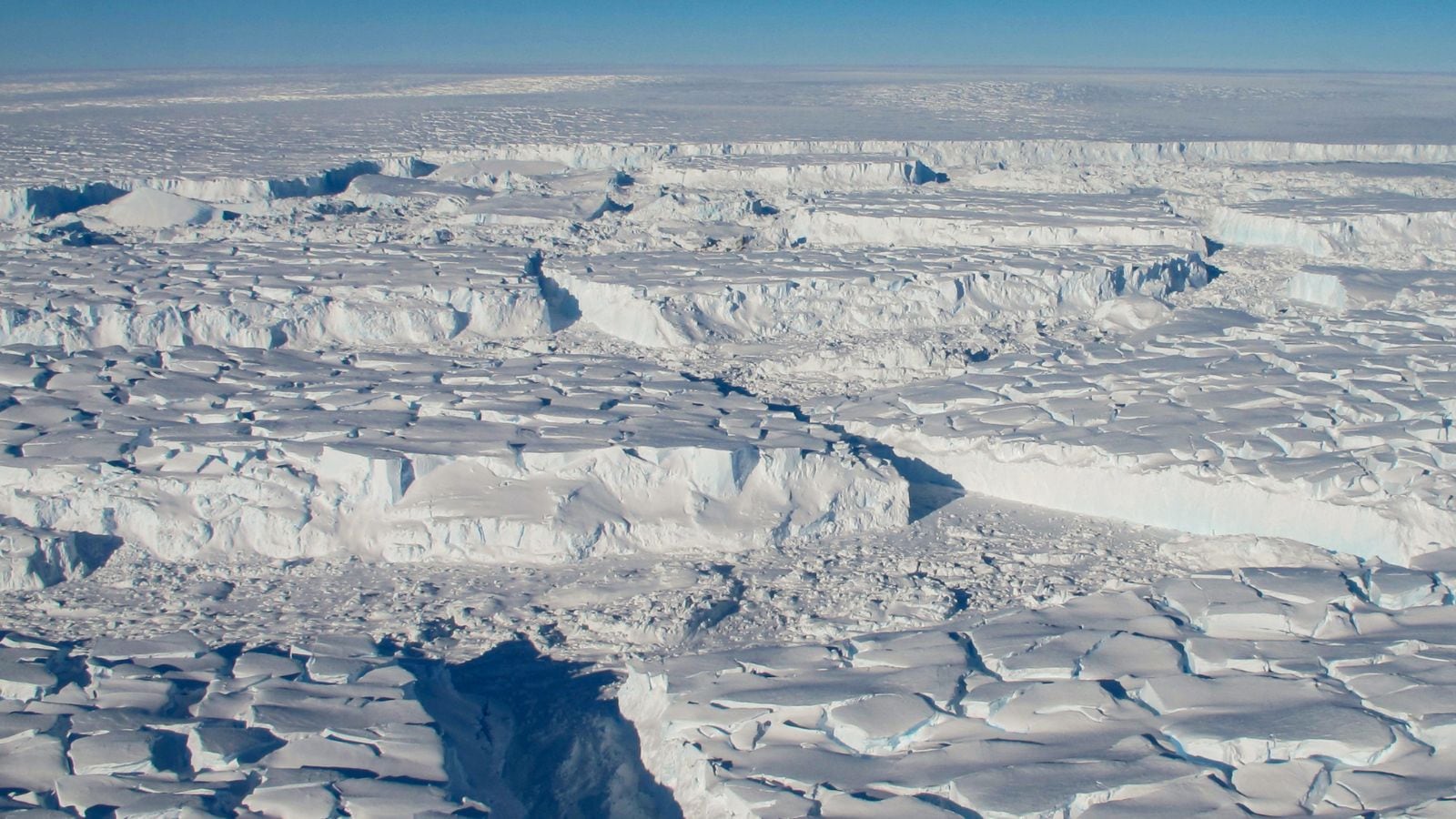
Post Content Over time, the warmer deep water eroded a protective layer of cold water known as the “winter water layer,” which had previously insulated Antarctic sea ice from heat trapped deeper in the ocean. (Image: New York Times)
Scientists believe they have finally solved one of the biggest mysteries in modern climate science: why Antarctica’s sea ice suddenly began collapsing after decades of relative stability.
For much of the 2000s and early 2010s, Antarctica appeared unusually resistant to global warming. While Arctic sea ice declined rapidly, Antarctic sea ice remained comparatively stable and, in some years, even expanded slightly. But in 2015, the trend abruptly reversed. Sea ice levels around the frozen continent began shrinking dramatically, eventually reaching record lows in 2023.
Now, a new study published in Science Advances suggests researchers have identified the chain of events responsible for the rapid decline.
According to the study, powerful western winds circling Antarctica gradually disrupted the Southern Ocean’s natural layering system. These winds pushed cold surface water northward, allowing warmer, saltier water from deep below the ocean surface to slowly rise upward.
Initially, the process appeared harmless. During the early stages, the movement of cold water actually helped expand sea ice coverage in some areas. But scientists say this masked a much more dangerous long-term shift happening beneath the surface.
Also read | Earth’s crust is breaking up under Cascadia, study finds
Over time, the warmer deep water eroded a protective layer of cold water known as the “winter water layer,” which had previously insulated Antarctic sea ice from heat trapped deeper in the ocean. By 2015, researchers say the warmer water finally breached that barrier and began reaching the surface.
Once this occurred, melting accelerated rapidly.
The warmer, saltier water destabilised the ocean’s structure, making it easier for even more heat to rise upward. Scientists describe this as a self-reinforcing feedback loop. As sea ice disappeared, less sunlight was reflected back into space and more solar energy was absorbed by the darker ocean surface.
Story continues below this ad
That additional heat delayed the formation of new sea ice during winter, causing further declines year after year.
The consequences became especially severe in 2023, when Antarctica recorded the lowest sea ice extent since satellite monitoring began. Researchers estimate the continent temporarily lost an area of sea ice larger than Western Europe.
The study also links the strengthening winds to both the Antarctic ozone hole and rising greenhouse gas emissions. Although the ozone hole has slowly begun recovering, human-driven climate change continues to intensify atmospheric circulation around Antarctica.
Also Read: ‘Lost world’ Doggerland beneath North Sea once hosted thriving Ice Age forests
Story continues below this ad
Scientists warn the findings could have major implications far beyond the polar regions.
Antarctic sea ice plays a crucial role in regulating Earth’s climate system. The Southern Ocean absorbs vast amounts of excess heat and carbon dioxide generated by human activity, helping slow global warming. Sea ice formation also helps drive ocean circulation patterns that transport heat and carbon into deeper waters.
If sea ice loss continues, researchers fear the Southern Ocean may become less effective at storing heat and carbon, potentially accelerating climate change globally.
The decline also threatens Antarctic ecosystems that depend on sea ice, including krill, penguins, seals, and whales.
Story continues below this ad
While scientists say it remains unclear whether Antarctica has crossed a permanent tipping point, the study suggests the continent is now behaving like what researchers describe as an entirely “new system” shaped by accelerating climate change.
© IE Online Media Services Pvt Ltd
