

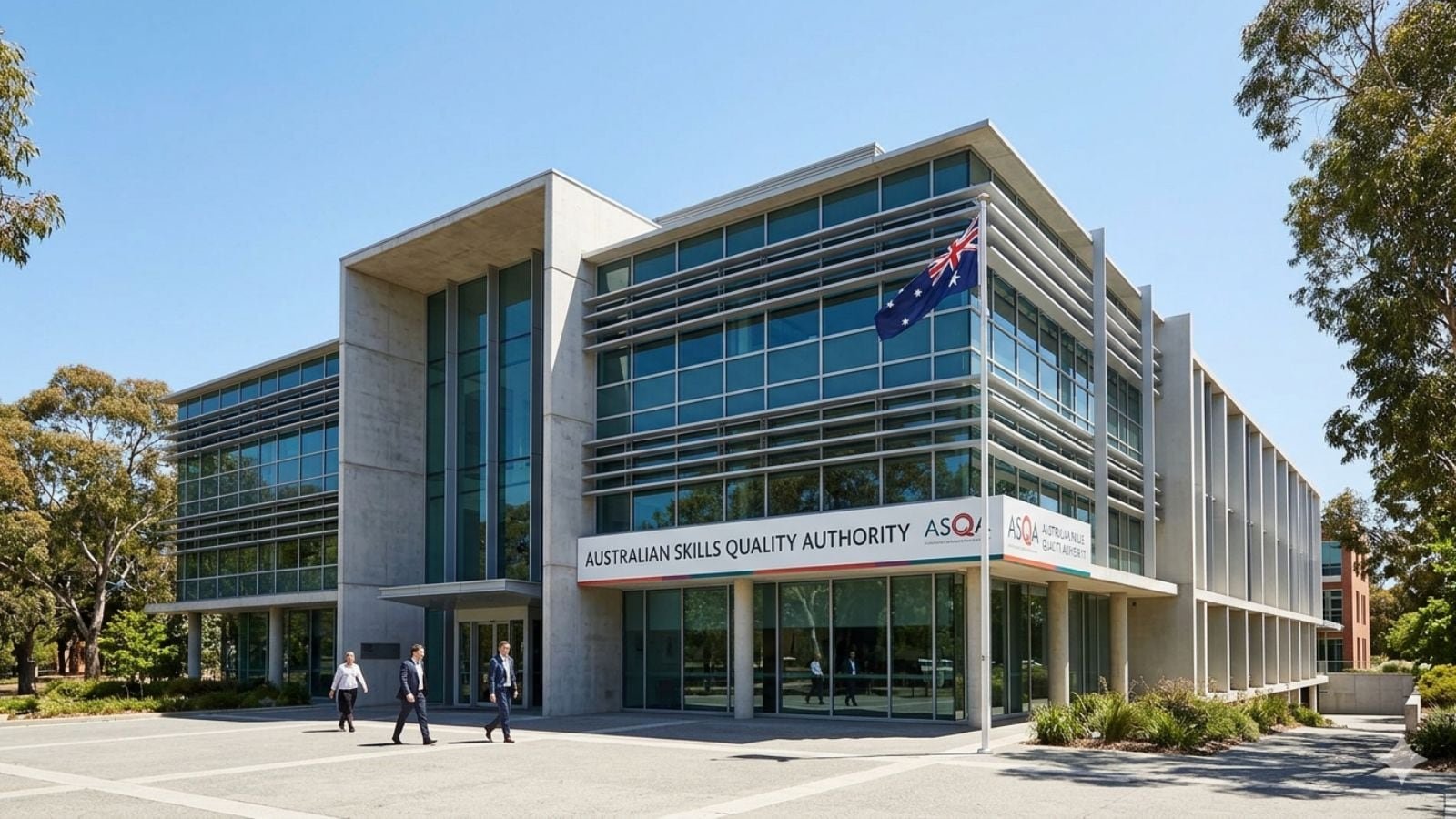
Australia has paused new signups for international student providers: Here’s why (Representational image/AI generated)
Australia has temporarily halted new international education registrations in parts of its vocational education sector. In a statement, saying the move is aimed at stopping “poor quality” and non-genuine providers from entering the market. The decision, announced in a statement by the immigration and citizenship authority under its Education Services for Overseas Students Act 2000, pauses new applications to the Australian Skills Quality Authority (ASQA) for institutions seeking to enrol international students or add new courses to their existing approvals.
The official notice reads,
“The Suspension responds to emerging integrity concerns… particularly relating to poor quality and non-genuine new market entrants”
The suspension which came into effect from May 19, 2026, will remain in place until May 19, 2027. During this 12-month period, new providers will not be able to apply for registration on the Commonwealth Register of Institutions and Courses for Overseas Students (CRICOS), while existing providers will also be barred from applying to add most new courses.
CRICOS is Australia’s official register of institutions and courses approved to teach international students on student visas. Only providers and courses listed on CRICOS are permitted to enrol overseas students. ASQA, meanwhile, is Australia’s national regulator for vocational education and training (VET) providers. It oversees quality standards, provider compliance, and course approvals across the VET sector.
Why is the change being introduced?
The Australian government said the move follows growing integrity concerns in the international education system, particularly in the VET segment. According to the official notice, authorities are concerned about the rise of “poor quality and non-genuine new market entrants” and rapid expansion in certain course areas. The government noted that more than 900 VET providers are already registered on CRICOS and that the number of providers offering VET courses to international students has grown by over 35 per cent since 2021.
The suspension was enabled through reforms introduced under the Education Legislation Amendment (Integrity and Other Measures) Act 2025. The amendment expanded the powers available under the ESOS Act and gave the minister authority to temporarily suspend new applications where integrity risks emerge. The ESOS Act itself is the central legislation governing how education institutions recruit, enrol, and support international students in Australia.
Pause will allow ‘more rigorous’ verification of existing applications
Australian authorities say the pause is intended to give regulators time to process existing applications more rigorously and strengthen oversight. The government said ASQA will use the period to conduct deeper integrity checks and monitor market behaviour before allowing further expansion in the sector.
The restriction applies not only to VET providers but also to applications involving ELICOS courses and providers. ELICOS refers to English Language Intensive Courses for Overseas Students, which are English-language programmes designed specifically for international students preparing for further study or work in Australia.
Story continues below this ad
Some exemptions, however, have been built into the suspension. Public providers, including government schools, Technical and Further Education institutes (TAFEs), and publicly controlled VET institutions, can continue making applications. TAFEs are publicly funded vocational training institutes that provide industry-focused diplomas, certificates, and technical education across Australia. Existing providers will also still be allowed to update course locations or replace superseded courses already on their registration.
The government has clarified that all valid applications submitted before May 19, 2026, will continue to be processed under ASQA’s normal procedures. Officials say the temporary freeze is aimed at protecting the reputation and quality of Australia’s international education sector rather than reducing access for genuine students and providers.
