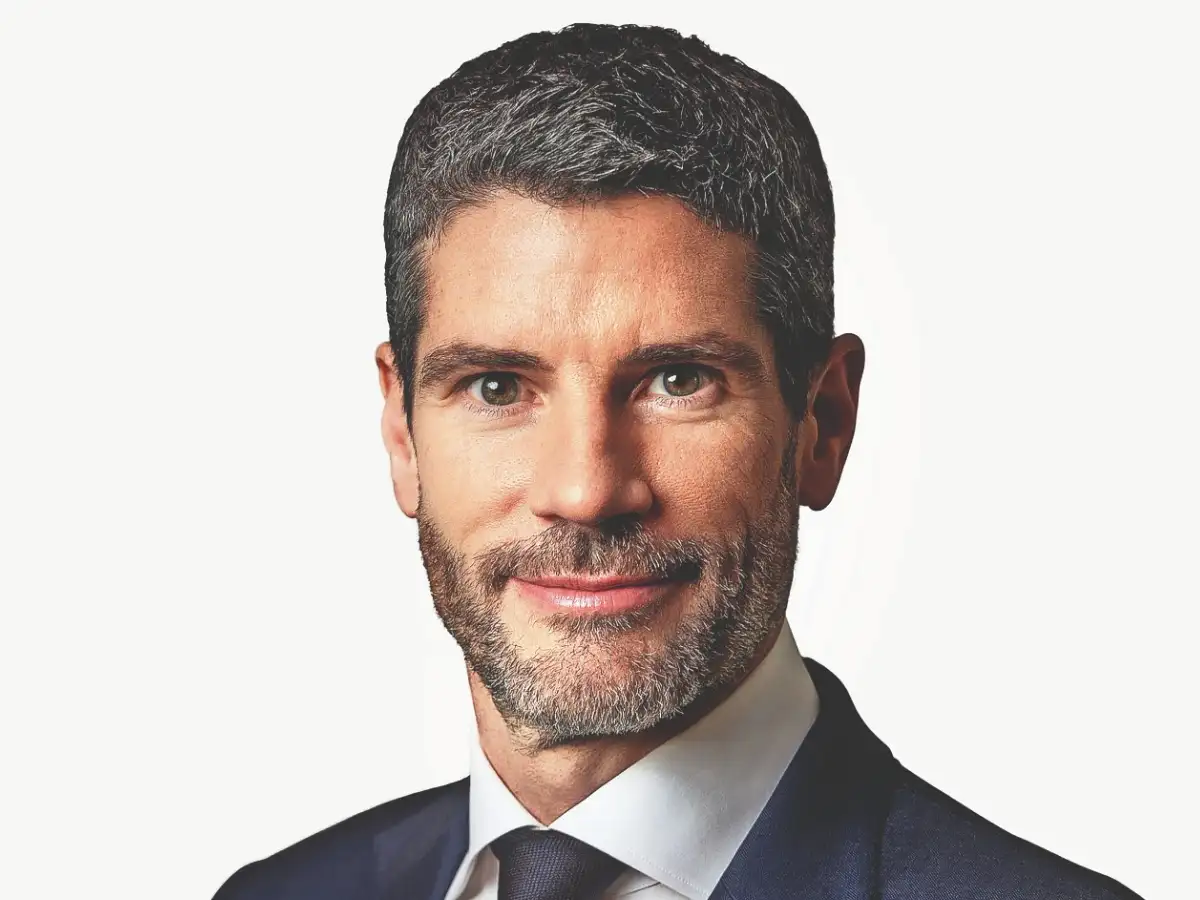
The biggest risk facing global markets is an AI bubble, with investors getting carried away by the AI boom, says Swiss private banking and wealth management group Julius Baer's chief executive, Stefan Bollinger. On India, he says the correction in equity valuations to 16-16.5 times the earnings from 21-22 times is healthy and that the country's growth story remains intact. In an interview with Himadri Buch, he also discusses India's investment prospects, foreign inflows and market risks. Edited excerpts:
How do you think investments or preferences of wealthy Indians are changing when it comes to global diversification?
In the past five years, we have seen people seeking diversification, with offshore investments rising from 2-5% of their wealth to 15-20%. Every portfolio is tailor-made based on individual circumstances, risk appetite, consumption needs and investment horizon.
As investors diversify beyond the US, which markets and asset classes are attracting interest?
Hedge funds are back in focus. In private equity, we are focused on firms that can access specific industries or markets. Private credit remains an interesting asset class. Clients also invest through structured products that offer downside protection or levered upside.
What is your assessment of the US Fed's decision, and do you expect it to hike rates anytime soon?
The Fed, there were two members that were in favour of hiking and everyone else was not. Just before the midterm (elections in the US), raising rates would have caused a lot of tension. As you know, it's a fully priced thing for December as inflation is really high.
How do you assess the risks to the financial system and where could the next crisis emerge?
The risk of the next crisis stemming from a banking crisis is incredibly low. Banks are very safe. I think it's more likely that this is going to be through some off-balance sheet commitment that you see now in the AI ecosystem where the numbers that you talk about are just high.
Could rising yields trigger isolated problems in pension funds, insurers or other companies, similar to Silicon Valley Bank?
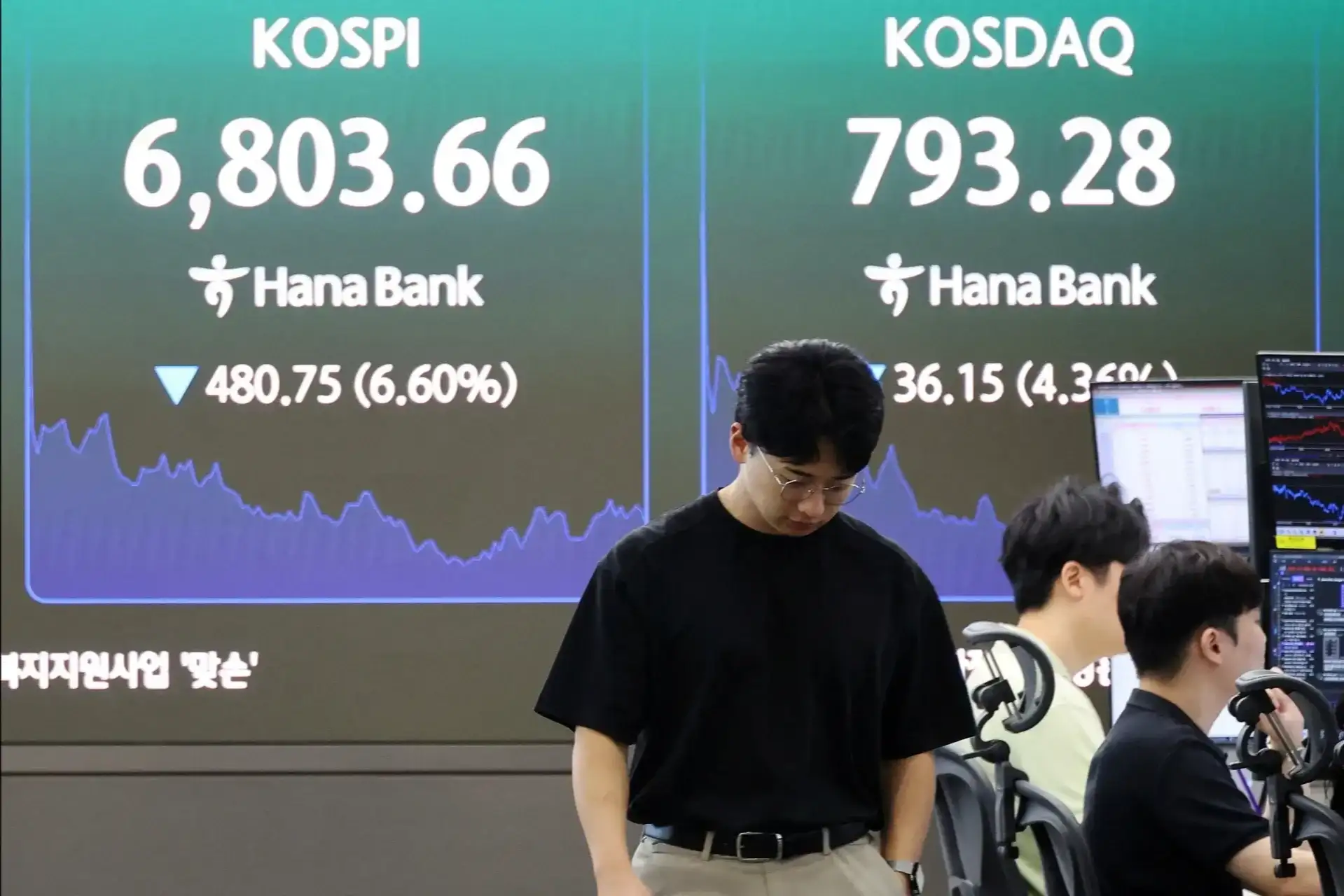
That is possible, but I don't think it poses a systemic risk. In countries like Japan, the hurdle rate for taking such risks is rising. As a result, some funds are expected to flow back to Japan, as domestic markets have become attractive. Japanese investors are rethinking their overseas allocations as interest rates rise in Japan.