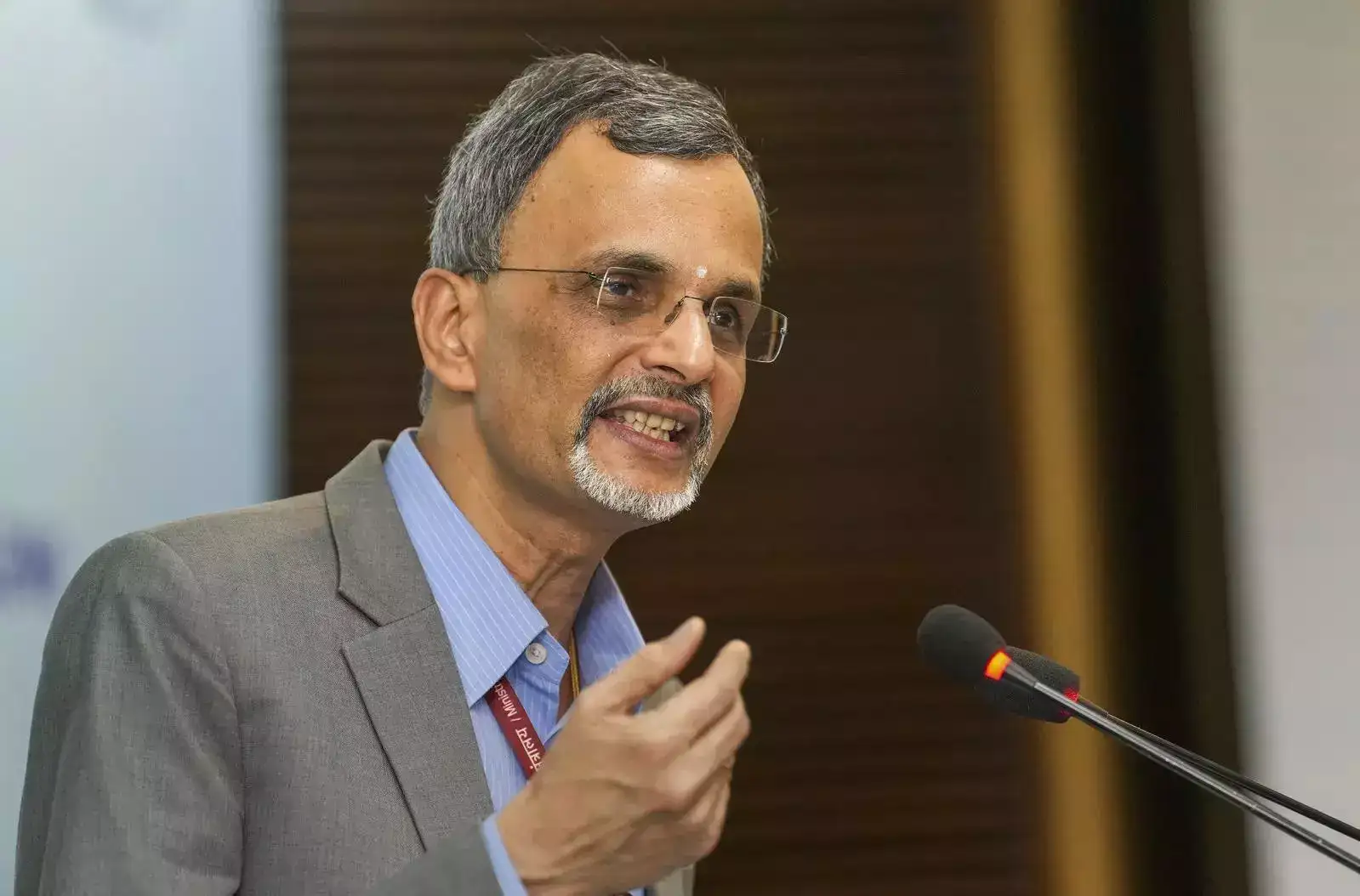
India's Chief Economic Advisor V Anantha Nageswaran has joined a growing list of voices questioning the euphoria surrounding artificial intelligence-linked stocks, calling current AI valuations a "bubble" and arguing that the narrative around the technology has become exaggerated.
Speaking at an event, Nageswaran said there was "no question" that AI-related stock prices and valuations have entered bubble territory, driven by overly optimistic assumptions about productivity gains and the future of work.
"AI-related stocks and AI-related valuations are definitely a bubble. There is no question about it," he said.
The remarks come at a time when global investors have poured hundreds of billions of dollars into companies linked to artificial intelligence, propelling firms such as Nvidia and other semiconductor and infrastructure providers to record valuations. The rally has also been fuelled by expectations that AI will dramatically improve productivity while reducing labour requirements.
Nageswaran argued that much of the excitement is being driven by a narrative that may not fully reflect reality.
"There is so much hype because they want to tell the capital contributors and the investors that this is going to be such a productivity bonanza, you won't need anybody to produce the output," he said.
According to the CEA, the most optimistic AI projections are built around the idea that profits will increasingly accrue to owners of capital rather than workers.
"If your employee count is zero, then all profits accrue to the owners of capital. This is the kind of picture they want to paint," he said.
While acknowledging that AI would affect some categories of jobs and skills, Nageswaran cautioned against assuming that the technology would trigger widespread employment disruption.
"The entire discussion about AI and the narrative surrounding it is a little exaggerated. It will have an impact on some IT skills, which will not be required anymore. But whether it will be a massive disruptor in terms of employment, the jury is still out," he said.
His comments echo concerns raised recently by Jefferies strategist Christopher Wood, who warned that risks have increased significantly for a near-term correction in AI-linked stocks.
In his latest GREED & Fear note, Wood said that the AI investment theme remains intact but investor positioning has become increasingly crowded.
"All instincts are that the risks have increased significantly for a near-term major reset in the AI trade in terms of a correction, if not yet the end of the story," Wood wrote.
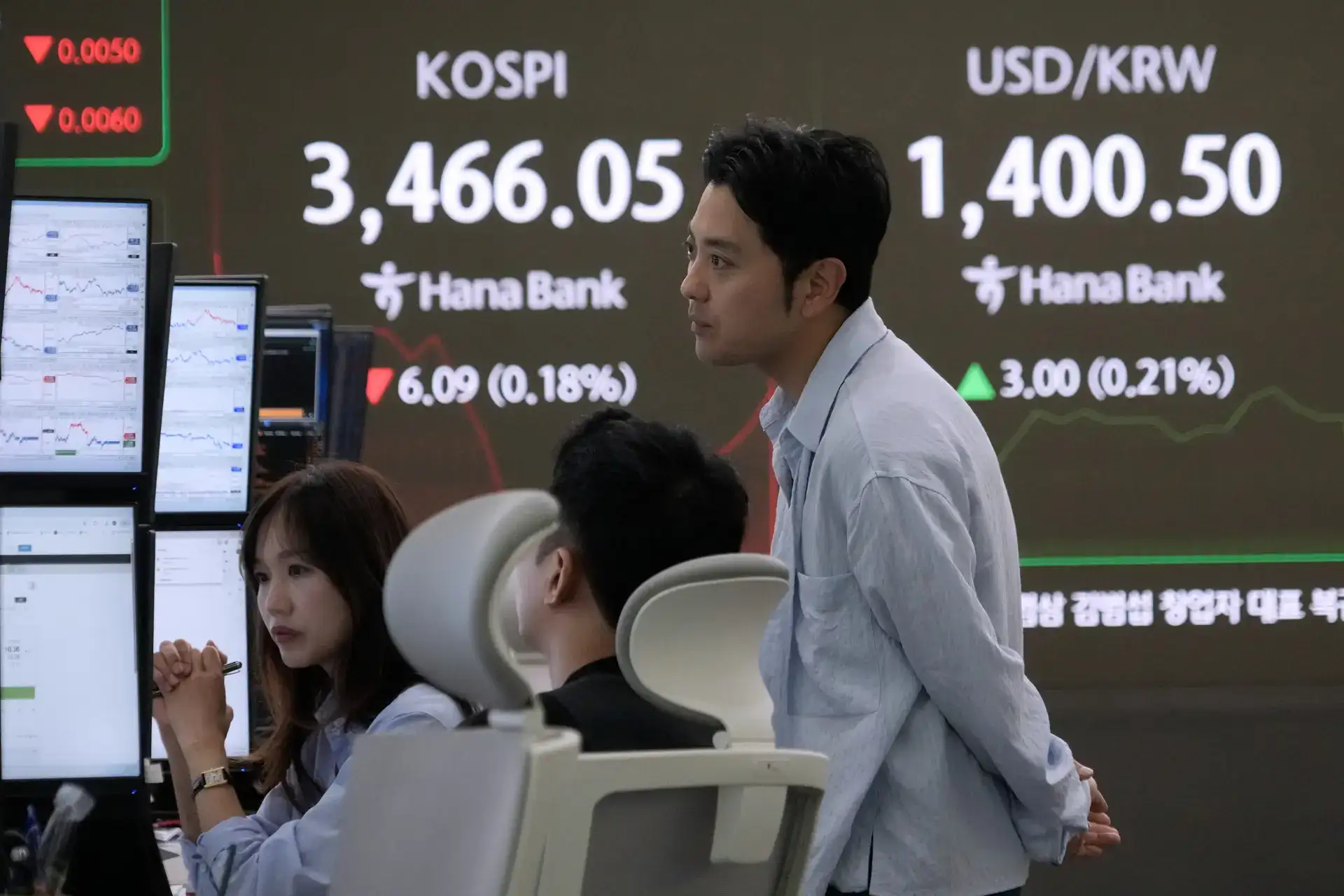
Wood pointed to unusually concentrated investor holdings in semiconductor stocks and AI infrastructure companies. According to him, many Asia-focused funds now share the same core holdings, including Taiwan Semiconductor Manufacturing Co, Samsung Electronics and SK Hynix.
He also highlighted another emerging risk: a wave of mega public offerings led by Elon Musk's SpaceX, which could absorb liquidity from existing market favourites.
Wood noted that large IPOs could force investors to reallocate capital away from technology winners that have benefited from the AI boom over the past two years.
The caution comes despite continued strong spending on artificial intelligence. Major technology companies are expected to spend hundreds of billions of dollars on AI infrastructure this year, while corporate demand for AI tools remains robust.
However, both Nageswaran and Wood appear unconvinced that current market valuations fully reflect the uncertainties surrounding future returns.
Their concerns come as debates intensify over whether the AI rally resembles earlier episodes of market excess. While today's leading AI companies are far more profitable than many firms during the dot-com era, critics argue that expectations have become increasingly detached from near-term fundamentals.
The debate has gained additional relevance following the listing of SpaceX at a valuation of about $1.75 trillion. The blockbuster IPO has become a symbol of investor appetite for technology and AI-related growth stories, even as questions persist over whether such valuations can be justified by future earnings.
For now, neither Nageswaran nor Wood is calling for the end of the AI story. But both are signalling that investors may be underestimating the risks associated with a trade that has become one of the most crowded and expensive themes in global markets.
As AI enthusiasm continues to drive stock prices higher, the question increasingly being asked by policymakers and market strategists is not whether artificial intelligence will transform industries, but whether investors have already priced in too much of that future.