

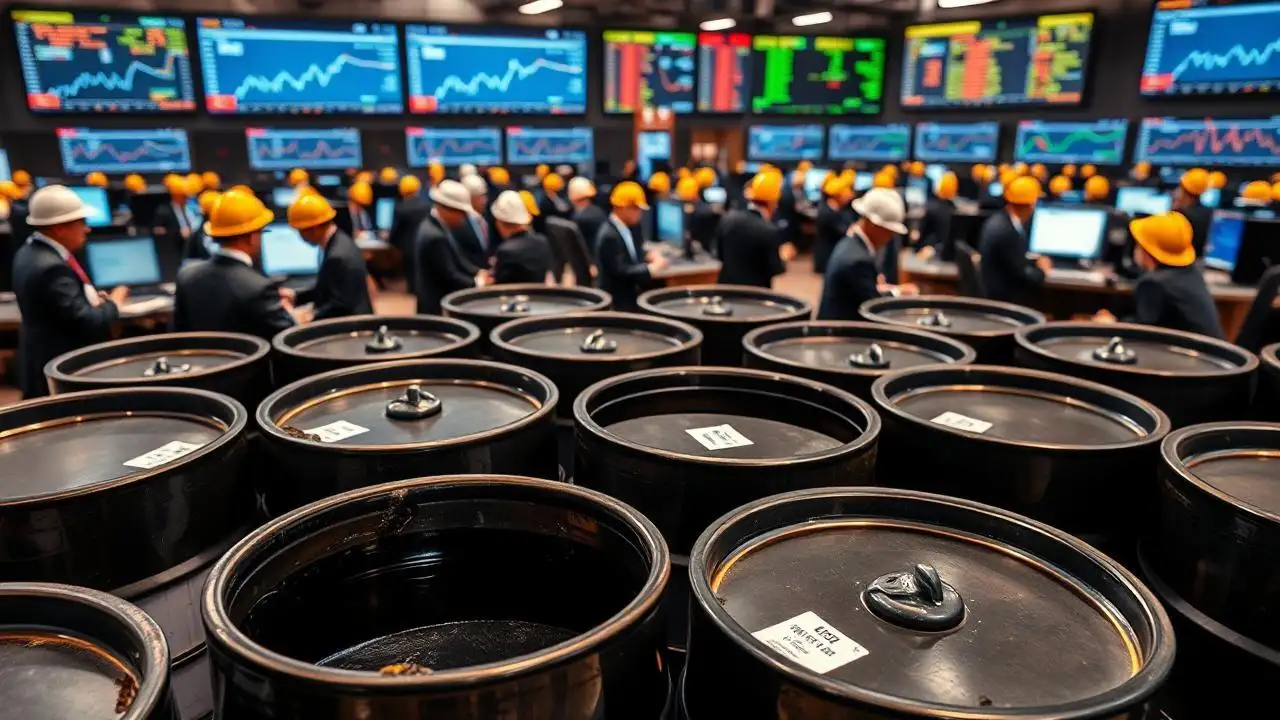
Global crude oil markets have been thrown into renewed uncertainty as geopolitical tensions in the Middle East escalate, following attacks on commercial vessels transiting the Strait of Hormuz. The latest tensions emerged after Iran was accused of targeting ships in the strategic waterway, triggering retaliatory strikes by the United States against Iranian military infrastructure.
Reports indicate casualties and damage within Iran, while the fragile understanding that had helped ease tensions between Washington and Tehran appears to have broken down. The developments have reignited fears of a broader regional conflict, causing heightened volatility in crude oil prices. Traders, policymakers, and oil-importing nations are closely monitoring the situation, as any disruption to Gulf energy flows could significantly impact global oil markets and energy security.
What Is Iran's Objective?
Iran's primary goal appears to be expanding its strategic influence over the Strait of Hormuz rather than seeking outright ownership of the waterway. Tehran has long argued that it should play a larger role in regulating maritime traffic in the region and has often opposed shipping arrangements supported by the United States and its allies.
The Strait remains Iran's most powerful geopolitical leverage, with nearly 20% of global oil trade passing through the narrow channel. By exerting pressure on shipping activity, Iran can strengthen its bargaining position during diplomatic or military confrontations. However, a complete closure of the Strait would also harm Iran's own economy, as the country relies heavily on Gulf shipping routes for its exports and imports. Consequently, Iran is more likely pursuing strategic influence and deterrence rather than direct control.
Could the Crisis Escalate into a Wider Conflict?
The possibility of a broader conflict has risen following the latest exchange of hostilities between Iran and the United States. However, a full-scale war remains uncertain because both countries would face substantial military and economic costs. The greatest risk lies in miscalculation, where retaliatory actions trigger a cycle of escalation beyond either side's intentions.
Why Are Gulf Nations Remaining Cautious?
Most Gulf countries are attempting to avoid direct involvement in the confrontation. Nations such as Saudi Arabia, the UAE, Oman, and Kuwait depend heavily on regional stability and uninterrupted energy exports. Publicly siding with either Iran or the United States could expose them to political and security risks.
Qatar's stronger response likely reflects concerns about maritime security and regional trade flows. Any disruption in Gulf shipping routes could directly affect energy exports and commercial activity. While public reactions have been measured, many regional governments are believed to be pursuing diplomatic efforts behind the scenes to prevent further escalation.
Could Oil Prices Rise Further?
Geopolitical risk premiums are expected to remain embedded in crude oil prices as long as tensions persist. Any threat to the Strait of Hormuz immediately raises concerns about supply disruptions, prompting traders to push prices higher.
Even when production remains unaffected, fears surrounding tanker safety, shipping insurance costs, and vessel availability can increase market volatility. Historically, geopolitical crises in the Middle East have often triggered sharp rallies in oil prices. If attacks on vessels continue or military operations intensify, Brent crude could remain supported.
What Could Be the Global Impact?
A broader conflict would have consequences extending beyond energy markets. Higher oil prices would increase transportation, manufacturing, and electricity costs worldwide, adding to inflationary pressures. Rising inflation could complicate efforts by central banks to reduce interest rates and support economic growth.
Financial markets would probably experience greater volatility, while shipping and insurance costs could increase significantly. Energy-importing countries across Asia and Europe would face higher fiscal pressure and slower economic growth due to elevated fuel costs.
Has Oil Transit Been Disrupted?
While concerns over shipping safety have intensified, large-scale disruptions to physical oil flows have not yet occurred. The immediate threat is not necessarily a complete closure of the Strait of Hormuz but reduced shipping efficiency and higher transportation costs. Even without major supply disruptions, prolonged uncertainty can increase the cost of moving crude oil across global markets.
What Does It Mean for India?
India, which imports more than 80% of its crude oil requirements, remains highly vulnerable to developments in the Middle East. Any sustained rise in crude prices would increase the country's import bill, widen the trade deficit, and add pressure on inflation.
Although global crude prices had shown signs of easing before the latest escalation, renewed geopolitical concerns could prevent further declines. If tensions eventually ease and global oil prices stabilize at lower levels, there may be some scope for domestic fuel price reductions. However, current uncertainties make significant price cuts unlikely in the near term.
The near-term outlook for crude oil remains uncertain and will largely depend on geopolitical developments. If tensions between Iran and the United States continue to escalate and attacks on shipping persist, crude prices are likely to remain firm with periods of sharp volatility.
For now, crude oil markets are being driven more by geopolitical risks than by underlying supply-and-demand fundamentals. Overall, prices are expected to maintain a positive bias in the short term. However, sustained and extreme price rallies would likely require actual supply disruptions rather than concerns alone.
(The author Hareesh V. is Head of Commodity Research at Geojit Investments Limited)