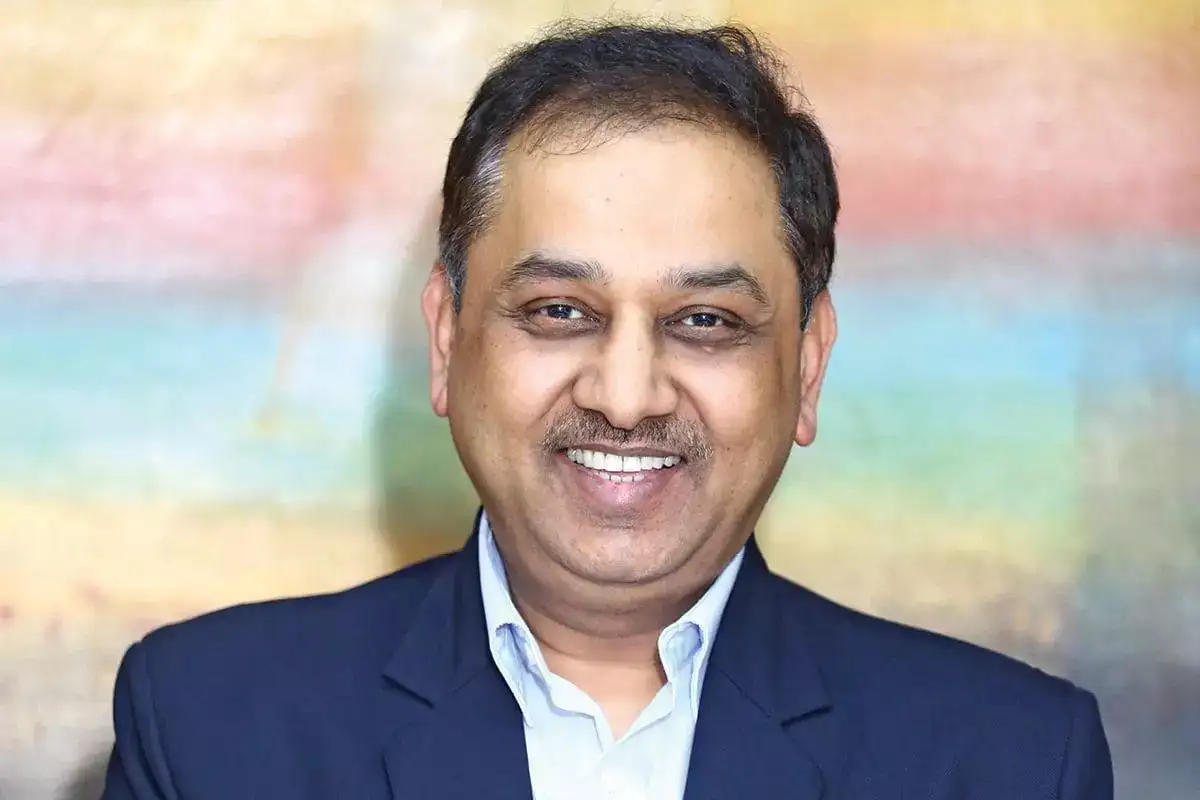
The commercial vehicle industry continues to operate in a challenging cost environment, with rising commodity prices and volatile raw material trends shaping near-term strategy at Ashok Leyland. In an interaction with ET Now, Shenu Agarwal, MD & CEO, Ashok Leyland said the company is balancing selective price hikes with internal cost controls while demand conditions remain broadly stable.
Agarwal noted that visibility on input costs remains limited as supplier negotiations are still ongoing. He said commodity costs are under pressure and the situation continues to remain dynamic. The company has already taken price hikes in the range of 1% to 2% across categories, but management is still assessing whether these can be sustained going ahead. He added that the focus remains on both pricing actions and internal cost control measures to offset input cost pressures.
On the impact of further price hikes on demand, Agarwal said there is a clear relationship between pricing and demand, but no straight answer on the extent of impact. He said the company will closely monitor market conditions before taking any additional pricing actions.
On margins, he acknowledged that cost pressures persist and profitability could see some impact, although clearer estimates will emerge in the coming weeks as negotiations with suppliers progress. He said the situation remains fluid and the company will have better visibility soon.
Despite higher fuel prices, Agarwal said the underlying commercial vehicle demand remains resilient, supported by strong replacement demand triggered after GST-related price reductions. He noted that while there could be short-term fluctuations due to fuel costs, the structural demand in the CV industry remains intact and any slowdown would likely be temporary with potential for pent-up demand later.
On exports, he said the recent disruption was largely due to logistics issues rather than demand weakness. While demand in key overseas markets remains strong, shipping constraints from India affected supply. He added that the situation is expected to normalise within one to two months, after which shipments should recover.
Speaking on FY27, Agarwal said it is too early to provide full-year guidance. However, he indicated that Q1 may see some moderation, though performance is expected to remain better than the same period last year, supported by underlying demand strength in the CV sector.
On electric vehicles, he said interest is gradually improving, particularly in buses and select commercial segments, driven by rising fuel costs and policy focus. While large-scale transition will take time, traction has improved in recent weeks.
Capex plans for FY27 will continue to focus on new product development and technology, with additional investment going towards battery manufacturing initiatives. He also confirmed that the listing of Hinduja Leyland Finance is expected towards the end of Q2 or early Q3, following regulatory approvals.
On the defence business, Agarwal said the segment has recorded steady growth, with revenue crossing ₹1,200 crore and a strong order pipeline of over ₹1,500 crore. He added that growth momentum in defence is expected to continue over the next few years, supported by both existing orders and new inflows.
Overall, the management struck a cautious but stable tone, highlighting that while cost pressures remain a near-term challenge, underlying demand in the commercial vehicle sector continues to provide resilience going into FY27.