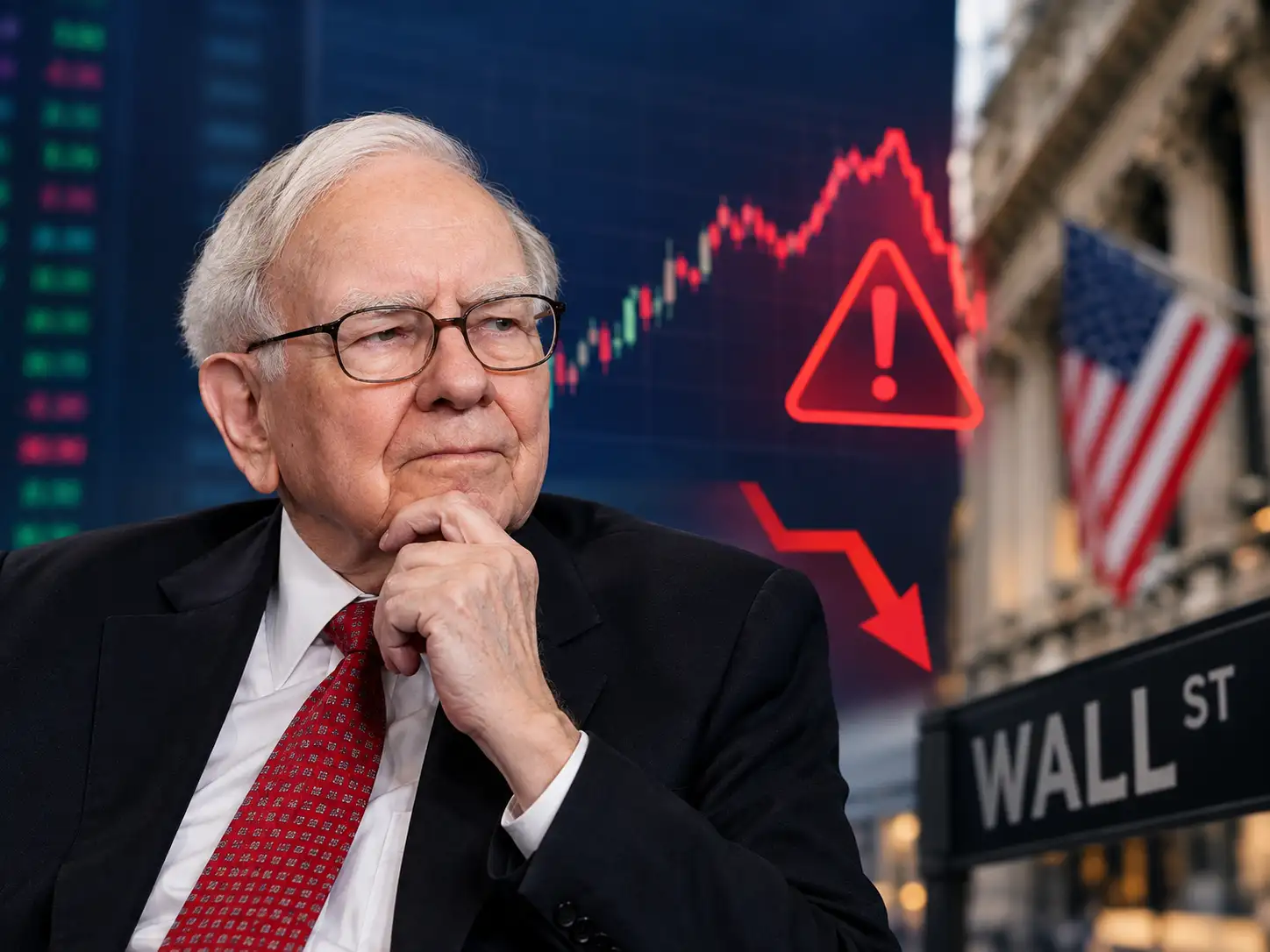

Big market corrections can be unsettling for investors, but legendary hedge fund manager David Tepper believes they can also create some of the best opportunities to build long-term wealth.
Tepper, known for his investments in equities, high-yield bonds and distressed debt, has successfully navigated several major market downturns, including the emerging-market crisis of 1997, the dot-com bust and the 2008 global financial crisis.
His investing philosophy centres on staying rational when fear takes over markets and being prepared to act when attractive opportunities emerge.
Look for opportunities when markets fall
Tepper believes corrections can create opportunities that are difficult to find during strong bull markets. When panic pushes asset prices lower, investors with the right research and conviction can identify companies or securities trading below their underlying value.
The key, however, is preparation. Investors need to stay informed about market developments and conduct thorough research before committing capital.
Keep emotions out of investment decisions
Market corrections often trigger fear, uncertainty and panic. Tepper's approach is to separate emotions from investment decisions.
When investors allow fear to dictate their actions, they can end up selling good investments after prices have already fallen sharply. Maintaining a rational approach can help investors avoid making decisions at the worst possible time.
Tepper also stresses the importance of diversification. Investors should not rely entirely on equities and can consider spreading their capital across different asset classes, depending on their risk profile and investment objectives.
His own investment career has included distressed debt, high-yield bonds and equities, reflecting an approach that looks beyond a single asset class.
Patience is a critical investing skill
Not every market environment presents an attractive opportunity. Tepper believes investors need to recognise when it is better to wait rather than force an investment decision.
Markets can remain irrational for longer than expected, and a good opportunity may take time to emerge. For investors, patience can therefore be as important as identifying a promising investment.
Losses are an inevitable part of investing, particularly during periods of sharp market volatility. Tepper's philosophy suggests investors should study their mistakes rather than simply move on from them.
Understanding why an investment went wrong can help improve the decision-making process and reduce the chances of repeating the same mistake.
Treat setbacks as learning opportunities
A market setback does not necessarily mean an investment strategy has failed. Corrections can reveal weaknesses in a portfolio, expose flawed assumptions and create opportunities to reassess investment theses.
For long-term investors, the ability to learn from setbacks can be more valuable than avoiding every short-term loss.
Don't panic after an initial loss
Tepper's investing experience also highlights the importance of conviction. An investment can initially move against an investor and still eventually turn profitable if the underlying thesis remains intact.
However, this does not mean investors should blindly hold losing stocks. The key is to distinguish between temporary price movements and a fundamental deterioration in the original investment thesis.
Know when to stay defensive
There are periods when the best investment decision may be to preserve capital rather than aggressively deploy it.
Tepper's approach suggests investors should invest only when they have a well-researched thesis and believe the potential reward adequately compensates for the risks involved.
Contrarian thinking is another important element of Tepper's investment philosophy. When most investors move in the same direction, opportunities can sometimes emerge on the other side of the trade.
But being contrarian simply for the sake of being different is not enough. Investors need strong research and analysis to support a view that differs from the broader market.
Perhaps one of Tepper's most important lessons is that successful investing requires both patience and decisiveness.
Investors should be willing to wait when valuations are unattractive, but when a compelling bargain finally appears, they need the confidence and discipline to act.
For investors facing the next major market correction, Tepper's philosophy offers a simple framework: stay informed, control emotions, protect capital, remain patient and be ready to act when genuine opportunities emerge.