The question dominating India's wealth management circles has quietly shifted. For years, high-net-worth individuals (HNIs) defaulted to domestic markets. At the ET Alpha Wealth Summit, held in Mumbai recently, top wealth managers confirmed what many suspected: global diversification is no longer a fringe conversation, it's entering the mainstream.
The panel discussion was on the topic 'Global or Local? The New Allocation Reality'. Rahul Jain, President & Head, Nuvama Wealth Lakshmi Iyer, Group President, Investments, MD & CEO, Bajaj Alternate Investment Management Limited, Devina Mehra, Founder & CMD, First Global and Sid Swaminathan, MD & CEO, JioBlackRock Asset Management Company , took part in the discussion that was moderated by Kshitij Anand, Editor-Markets & Finance, ET Digital.
ET Alpha Wealth Summit | India's next decade: AI is an enabler, not a threat; investor expectations the real risk: Kailash Kulkarni
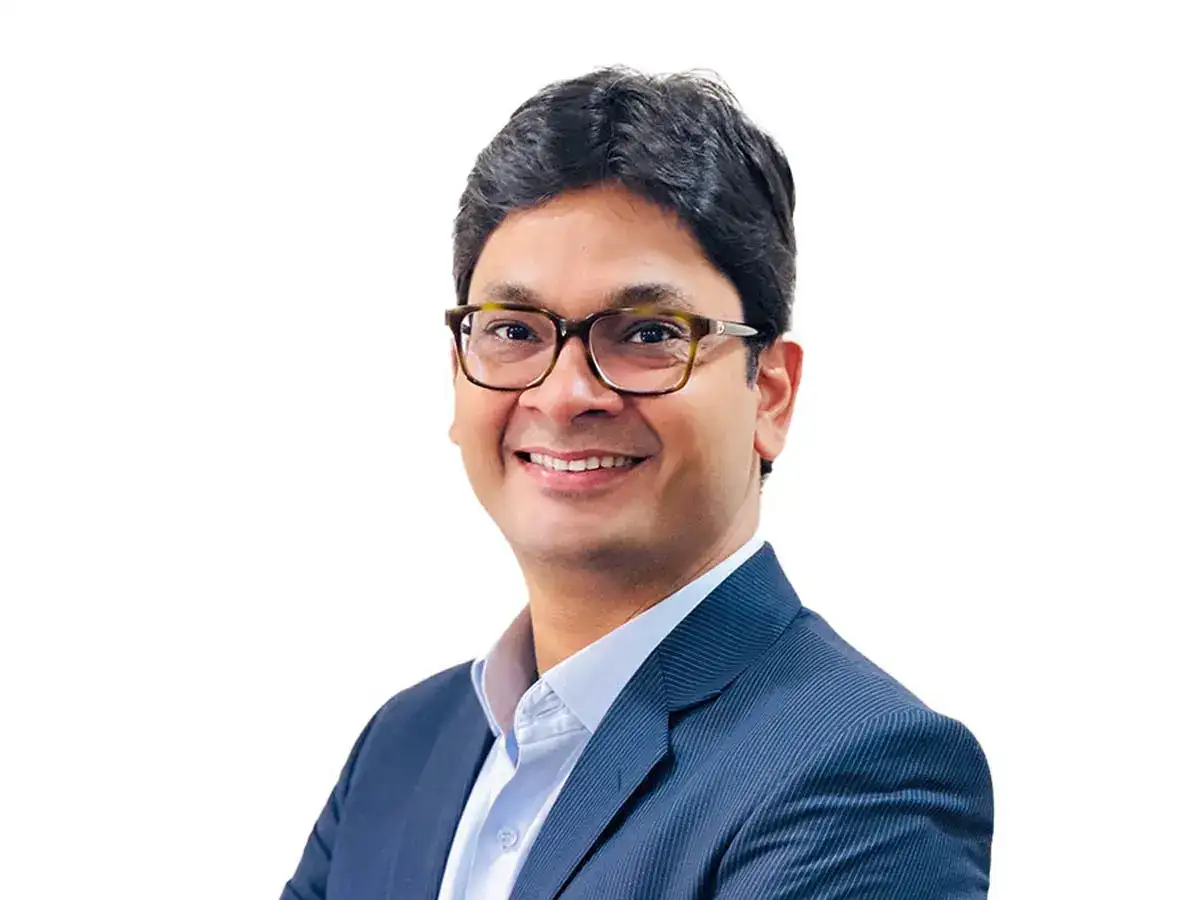
Rahul Jain, President and Head at Nuvama Wealth, was direct: "The conversation has started moving." With the Nifty's returns lagging behind indices in the US and South Korea over the past two years, India's wealthiest investors are questioning whether a purely domestic strategy still makes sense.
ET Alpha Wealth Summit Fireside | Never sell because you're bored': PPFAS CIO Rajeev Thakkar's 6-point guide on when to exit an investment
But Jain was equally quick to pump the brakes on enthusiasm. Before asking how much to allocate globally, he argues investors must first get the fundamentals right.
"We meet so many clients whose portfolios are still very skewed, either towards equity or debt," Jain said.
"Getting the asset allocation right is the first and foremost question," he said.
Asset allocation before global bets
The panel's clearest takeaway was a reality check for investors tempted to chase international returns: if your core portfolio is broken, going global won't fix it.
Jain illustrated the point with a pointed example. If a client is already 100% in equities, there is no room to act on an opportunistic call, regardless of where the markets are. But an investor with a balanced debt-equity split could meaningfully rotate into equities when the timing is right.
"Right asset allocation going through uncertainties and volatilities — you can navigate it better," he said.
Global allocation: Opportunity or distraction?
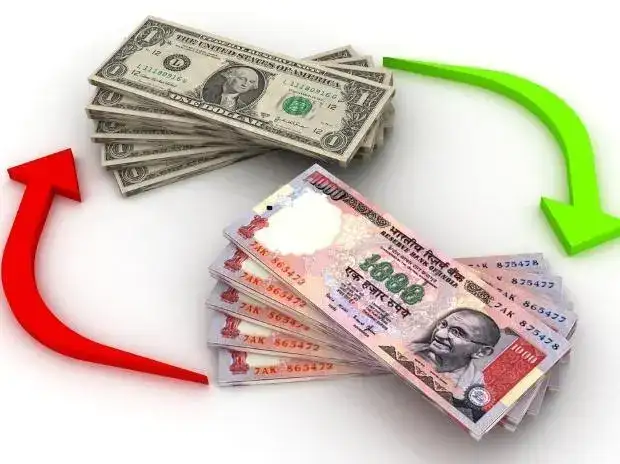
For those who do clear the asset-allocation bar, global diversification offers a real but limited upside, according to Jain. A client with a ₹10 crore portfolio might allocate ₹50 lakh to ₹1 crore globally, roughly 5–10% of the total portfolio.
The challenge, he noted, is that generating alpha from global markets is harder than it looks. Indian investors are naturally more comfortable navigating domestic terrain. Global equity adds a layer of complexity — different regulatory environments, currency risk, and macroeconomic cycles — that makes outperformance difficult to achieve consistently.
"The real delta or alpha would be very difficult to ascertain," Jain cautioned.
Don't make it a knee-jerk reaction
The panel also pushed back against reactive investing, the instinct to shift money abroad simply because India has underperformed for the past 24 months.
Devina Mehra, Founder and CMD of First Global, echoed a similar sentiment during the discussion: don't invest globally because India hasn't done well. Jain reinforced this, noting that India will "come back strongly" and that global allocation should be done in a staggered, deliberate manner, not as a panic response to short-term underperformance.
The bottom line: India's HNI wealth management conversation is maturing. Global allocation is no longer taboo, but it isn't a silver bullet either. The message from the ET Alpha Wealth Summit is consistent: get the asset architecture right first, then consider international exposure as one deliberate layer within a broader, well-balanced strategy.
For India's wealthy investors, the world is now on the table. The question is whether they're ready to approach it with discipline rather than urgency.