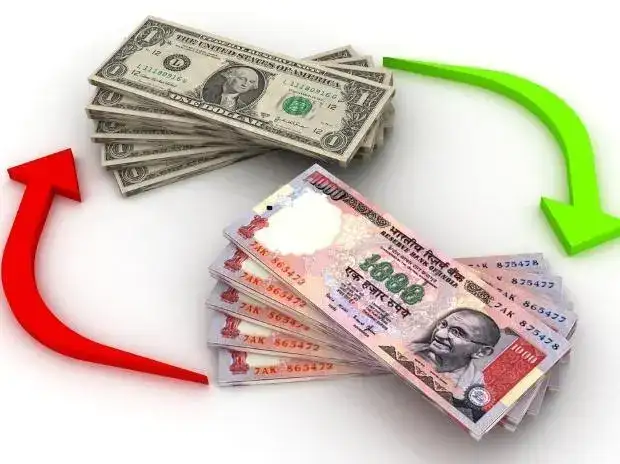
India once again finds itself facing pressure on its external sector. A combination of global trade tensions, geopolitical instability in the Middle East, elevated crude oil prices, foreign portfolio outflows and increased repatriation of foreign investments has weighed on the rupee over the past year. While the circumstances differ from those of 2013, the underlying challenge remains familiar: managing foreign exchange pressures in an economy that continues to depend heavily on imports, particularly for energy.
Recognising these pressures, the Reserve Bank of India (RBI) has announced a series of measures to strengthen foreign currency inflows and support external stability. Among them, the most significant is the revival of a framework similar to the FCNR(B) deposit scheme that proved highly successful during the 2013 taper tantrum. In effect, the RBI has returned to a tested policy instrument, adapting it to current conditions.
The concept is simple yet effective. Non-Resident Indians (NRIs) are encouraged to place foreign currency deposits with banks without assuming exchange rate risk. By absorbing the hedging cost and providing regulatory incentives to banks, the RBI enhances the attractiveness of these deposits while encouraging the inflow of foreign exchange. The availability of leverage from banks further strengthens the proposition for depositors.
The success of this approach is well demonstrated. In 2013, following indications from the US Federal Reserve that it would begin tapering quantitative easing, capital flows reversed sharply across emerging markets. India was among the most affected economies. The current account deficit had widened to nearly 5% of GDP, the rupee had depreciated significantly and investor confidence was under strain.
Against this backdrop, the FCNR(B) scheme introduced under Governor Raghuram Rajan attracted more than USD 25 billion of inflows within a matter of months. The impact was immediate. The rupee stabilised, foreign exchange liquidity improved and the RBI gained greater flexibility in managing monetary conditions. Equally important, the eventual redemption of these deposits in 2016 passed without major disruption, reflecting prudent management of the RBI's forward foreign exchange exposures.
The current initiative seeks to replicate those benefits and, in some respects, offers even stronger incentives. Banks have been granted greater regulatory flexibility through exemptions from reserve requirements and relief from certain foreign exchange position limits. These measures improve the economics of deposit mobilisation and should encourage active participation by the banking system.
However, it would be unrealistic to expect a repeat of the 2013 experience in every respect. The macroeconomic backdrop today is markedly different. Unlike 2013, when India was grappling with a large and persistent current account deficit, the external position is now considerably stronger. Foreign exchange reserves stand at approximately USD 680 billion, more than double the level seen during the taper tantrum. Current pressures on the rupee stem less from trade imbalances and more from capital account movements, geopolitical uncertainty and periods of heightened risk aversion among global investors.
The interest rate environment has also changed significantly. In 2013, the differential between Indian and US interest rates exceeded 700 basis points, making FCNR(B) deposits particularly attractive. Today, that gap is far narrower. As a result, while the scheme is likely to generate meaningful inflows, the response may not be proportionate to the scale of growth India has experienced over the past decade.
There is another consideration. FCNR(B) deposits provide valuable support in times of stress, but they are ultimately liabilities that must be repaid. Their effectiveness lies in buying time and easing immediate pressures rather than creating permanent sources of capital. The relatively smooth redemption of the 2013 deposits was aided by favourable conditions that followed, including lower oil prices, stronger macroeconomic fundamentals and a substantial build-up in reserves. There is no certainty that similar conditions will prevail when the current deposits mature.
The RBI's measures should therefore be viewed as an effective stabilisation tool rather than a long-term solution. They can restore confidence, improve liquidity and provide breathing space for policymakers. The more fundamental task is to reduce the structural vulnerabilities that periodically expose the economy to external shocks.
Energy security remains central to that objective. India's dependence on imported oil continues to be one of the largest sources of pressure on the balance of payments. Curtailing energy consumption through slower economic growth is neither desirable nor practical. Instead, the focus must be on accelerating investment in alternative energy sources, including solar, nuclear and emerging technologies, while expanding domestic energy production and diversification.
Gold imports represent another recurring drain on foreign exchange. India already possesses vast privately held gold reserves, much of which remains outside the formal financial system. Policies that successfully encourage gold monetisation can help reduce the need for fresh imports and lower pressure on the external account over time.
Equally important is the ability to attract stable, long-term capital. Investors value predictability and confidence in the operating environment. Continued progress in taxation, regulatory clarity, ease of doing business, KYC processes and project execution can strengthen India's attractiveness as an investment destination and reduce dependence on more volatile portfolio flows.
Episodes of external stress are unlikely to disappear. Whether triggered by financial market disruptions, geopolitical conflicts or trade disputes, such shocks will continue to test emerging economies. India cannot completely insulate itself from these developments, but it can strengthen its capacity to withstand them.
The RBI's latest measures demonstrate that policymakers have drawn important lessons from past crises. The FCNR(B) framework remains a proven and effective mechanism for addressing short-term foreign exchange pressures. Yet the larger challenge is not simply managing periods of stress when they arise, but reducing the economy's vulnerability to them. In the long run, a stronger, more self-reliant economy will remain India's most effective defence against external shocks.
(The author Sunil Sanghai is Founder & CEO, NovaaOne Capital Pvt. Ltd. Views are own)