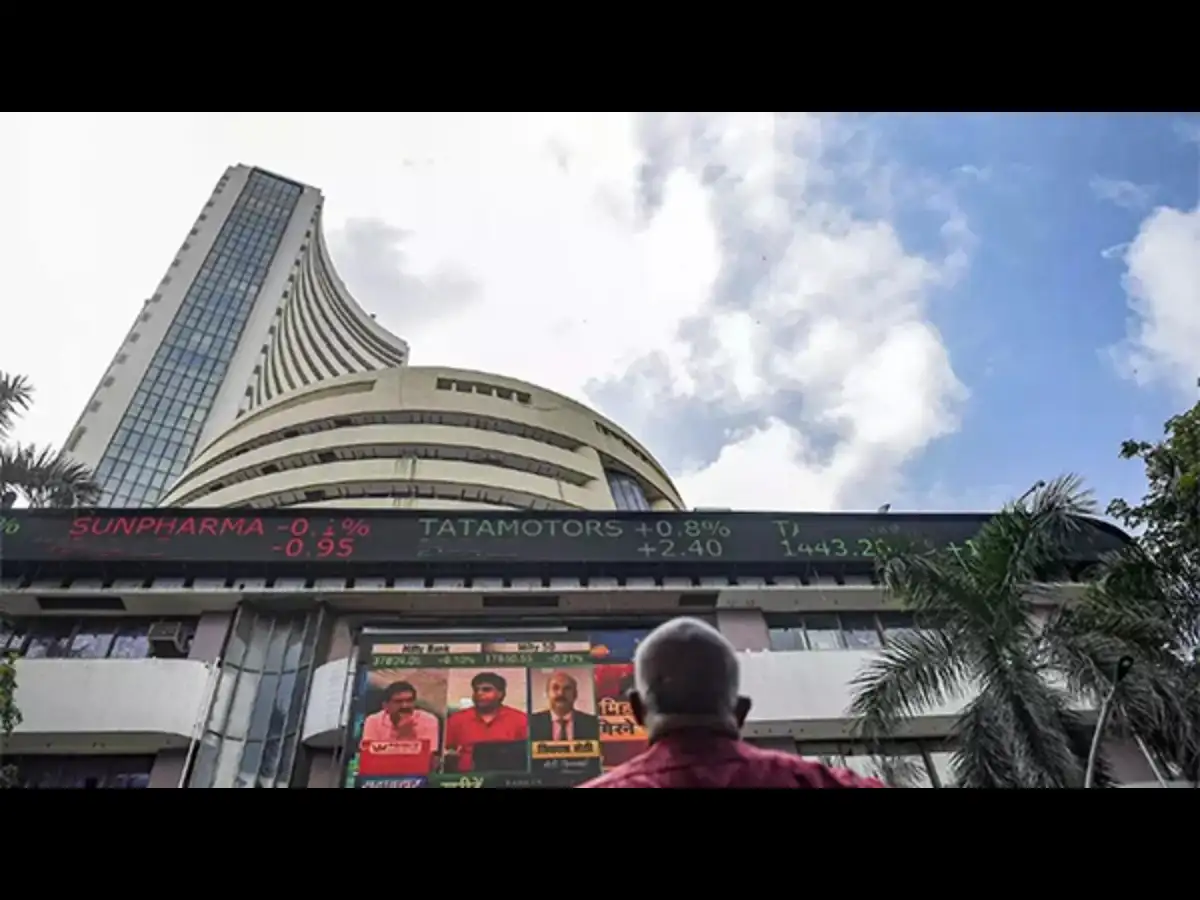


After nearly two years of subdued returns from Indian equities, sentiment among global investors—especially NRIs—appears to be turning positive once again.
A moderation in valuations, coupled with the cooling of the global AI-driven rally, has made India a more compelling investment destination, according to Mitesh Shah, Chief Executive Officer, Equirus Family Office.
In an interaction with Kshitij Anand of ETMarkets, Shah explains why domestic sectors such as manufacturing, defence, alternate energy and consumer discretionary are emerging as long-term wealth creators, how NRIs should think about asset allocation across equities, debt, REITs and alternatives, and why private credit and GIFT City are becoming increasingly relevant for global investors looking at India. Edited Excerpts –
Q) Has the sentiment changed recently towards India especially the domestic market failed to generate substantial returns for the past 2 years
A) Broadly, there were 2 concerns on India. Valuations were expensive and that direct artificial intelligence (AI) beneficiaries were absent from the index.
Now that the AI rally has cooled off globally and the valuations in India have become significantly better, we see investor interest coming back to India.
Q) Which sectors in India look most attractive for NRI investors over the next 5-10 years?
A) NRI investors are keen to look at the domestic sectors like manufacturing/ defense/alternate energy/consumer discretionary.
Q) With global interest rates evolving, do Indian bonds offer attractive opportunities for NRIs?
A) The recent removal of capital gains is a welcome step. However, with the US treasury and bond yields increasing, the relative interest in bonds of other countries has come down.
Albeit it forms a good diversification option with real yields being positive.
Also Read: If the earnings don't come through, markets will struggle: Paul Wilson
Q) Can Indian fixed-income products become a reliable source of passive income for NRIs? If yes, how
A) India bonds offer high real yields. This makes it a compelling proposition for global investors.
Q) Does Indian real estate still deserve a place in an NRI portfolio, or have financial assets become more attractive?
A) REIT and InvITs have become a good option for investors as against holding physical real estate. The liquidity and manageability of these options is far superior than holding direct real estate.
Q) How should NRIs think about India in their global asset allocation today, and what percentage of an NRI's overall portfolio should ideally be allocated to Indian assets?
A) The valuation moderation should be used to increase weightage on India portfolio. The domestic sectors have started to do well and the recent earning support that.
Also, compared to many emerging markets like Korea/Taiwan, India offers a diversified broad pool of companies to choose from.
In addition to public markets, other asset classes like private credit, venture capital have delivered good risk adjusted returns to investors as well.
Q) What are the biggest tax misconceptions NRIs have when investing in India?
A) Double taxation is a big misconception. Various steps have been taken to offer better structures to NRI investors through GIFT city as well.
Q) If an NRI has ₹5 crore to invest in India today, how would you allocate it across equities, debt, real estate, gold, REITs, and alternative investments?
10% - commodities including precious metals
Also Read: ETMarkets Smart Talk | Financialisation of savings could be India's biggest wealth creator over the next decade: Prashasta Seth
Q) What role can alternatives such as PMS, AIFs, and private credit play in an NRI's portfolio?
A) They can play an important role in offering low correlation returns. Eg - Last 2 years private credit would have yielded double digit returns where the equity markets moderated.
Diversification in asset classes with low correlation is very important and alternates can play an important role in the same.
(Disclaimer: Recommendations, suggestions, views, and opinions given by experts are their own. These do not represent the views of the Economic Times)