ETMarkets PMS Talk | 20 months of consolidation has created compelling small-cap opportunities: Equitree’s Pawan Bharaddia




Jio Platforms is gearing up for a significant IPO, aiming to redefine itself beyond mobile services. The company's ambitious vision includes developing sovereign AI, satellite broadband, and a robust fibre network, posi...

Over the five trading sessions ending on June 19, the benchmark Sensex gained 1.69%, rising 1,275 points to close at 76,802. The index finished higher in four of the five sessions. Amid this market rally, 15 stocks in the BSE 200 index advanced in each of the five consecutive sessions, delivering cumulative returns of up to 10% during the period. (Data Source: ACE Equity) Consistent performers

Global markets are watching closely as a U.S.-Iran deal faces crucial weeks. Key economic data from the U.S. and Australia, along with Colombia's presidential election, will shape investor sentiment. London's major clim...
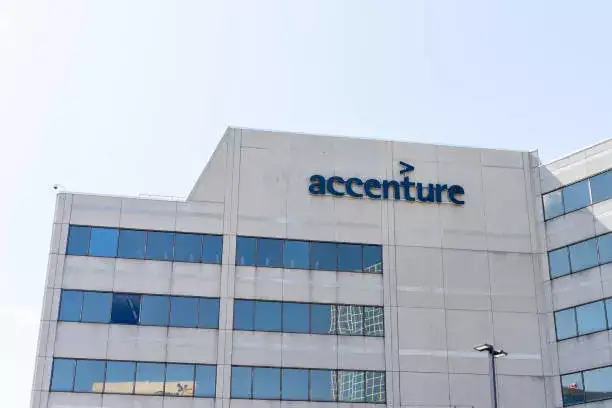
Indian tech stocks experienced a sharp decline Friday, mirroring a significant drop in global IT giant Accenture due to weaker-than-expected revenue and order forecasts. The Nifty IT index plunged over 6%, with major pl...

Jio Platforms, Reliance Industries' digital arm, has filed for India's largest-ever public issue, aiming to raise a record $4 billion. This IPO, the first from RIL in nearly two decades, will see a fresh issue of shares...
Major Indian banks, including SBI, Axis Bank, and Bank of Baroda, alongside Power Finance Corporation, are set to raise over $2 billion from overseas markets next week. This move capitalizes on the Reserve Bank of India...

The Reserve Bank of India's Monetary Policy Committee has opted for a cautious "wait and watch" stance, holding the repo rate steady due to significant geopolitical and weather-related uncertainties. Concerns over risin...

Four Indian companies, AGS Health, PGP Glass, Shreni Shares, and SRIT India, have received the green light from Sebi for their upcoming IPOs. These firms confidentially submitted their draft documents, with Sebi providi...
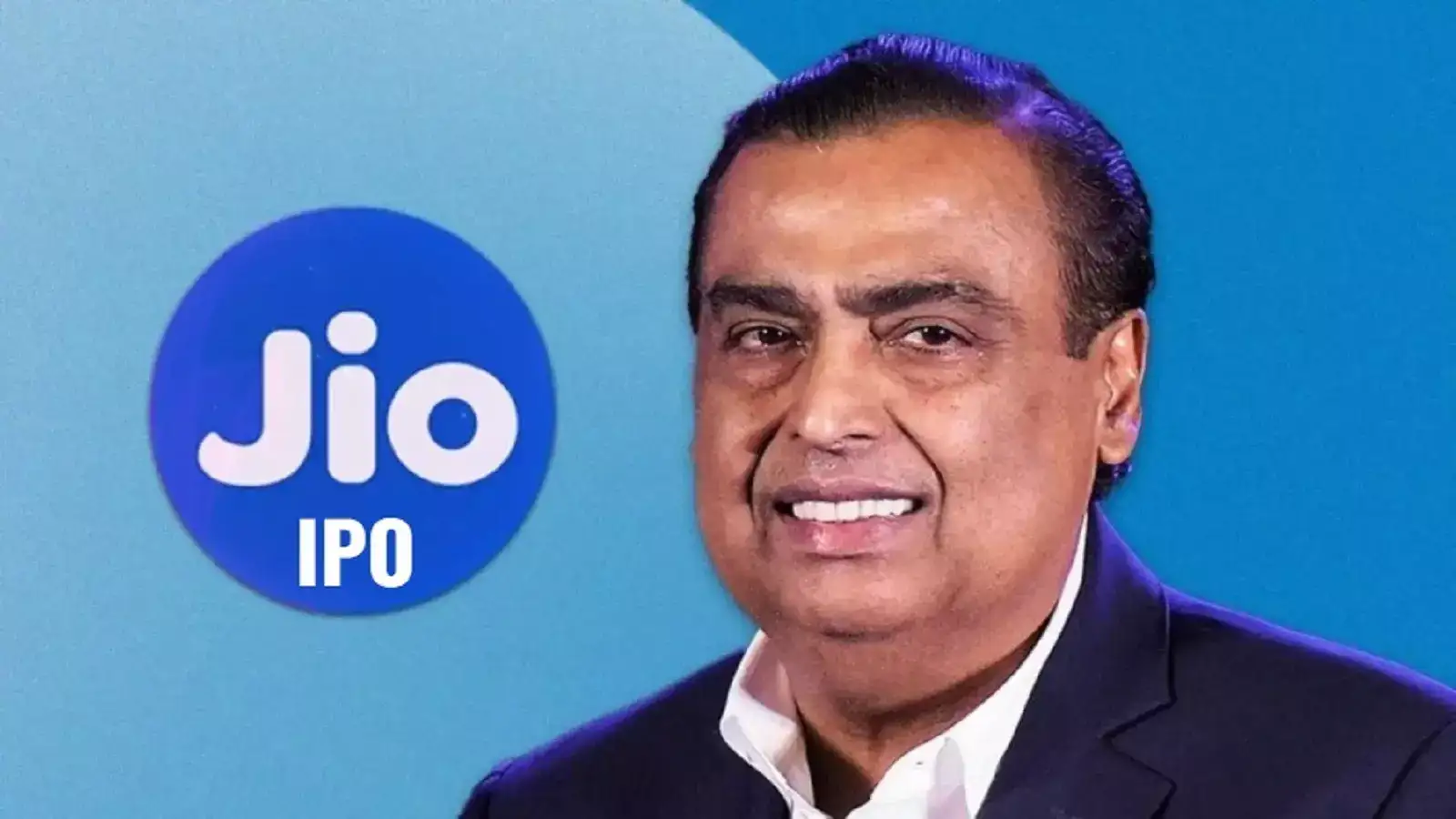
Jio Platforms has filed its DRHP with Sebi for a massive IPO comprising a fresh issue of up to 27 crore shares. The offering aims to reduce debt, fund growth and unlock value for shareholders, while marking a milestone...
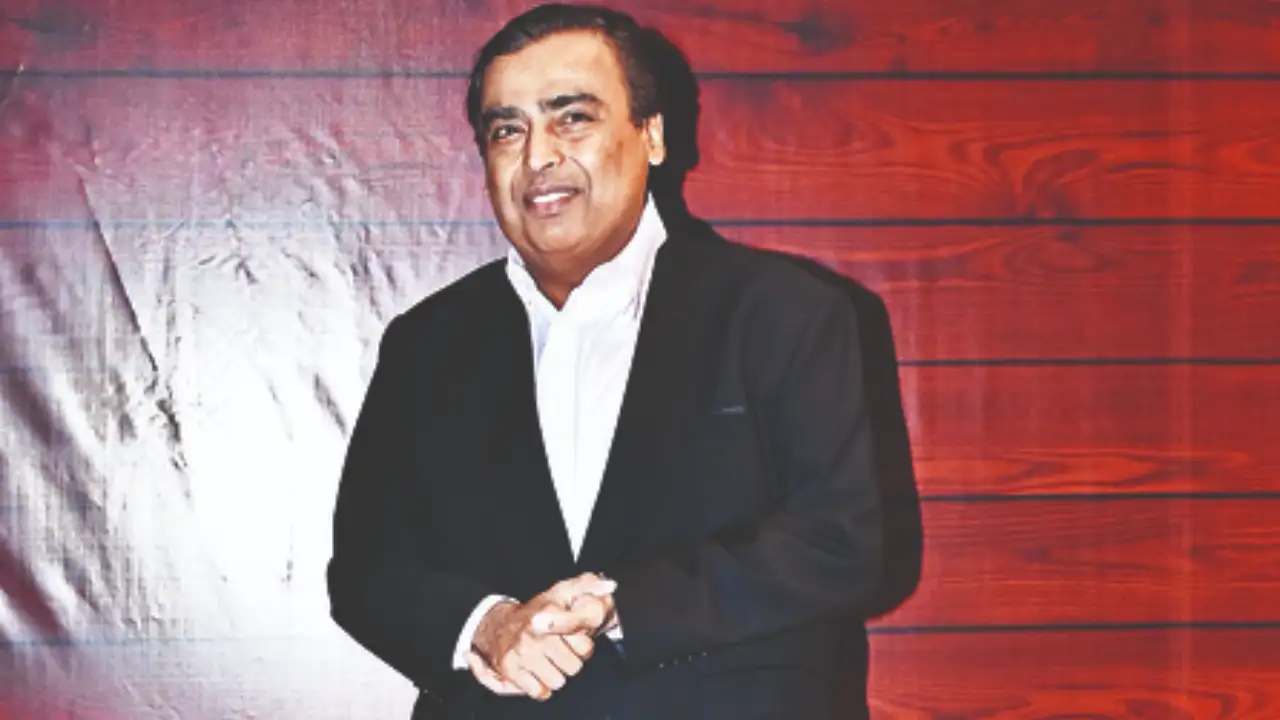
Reliance Jio’s upcoming IPO aims to raise approximately $3 billion. The company intends to allocate Rs 27,500 crore to prepay debt, strengthening its balance sheet for future investments in 6G, artificial intelligence,...
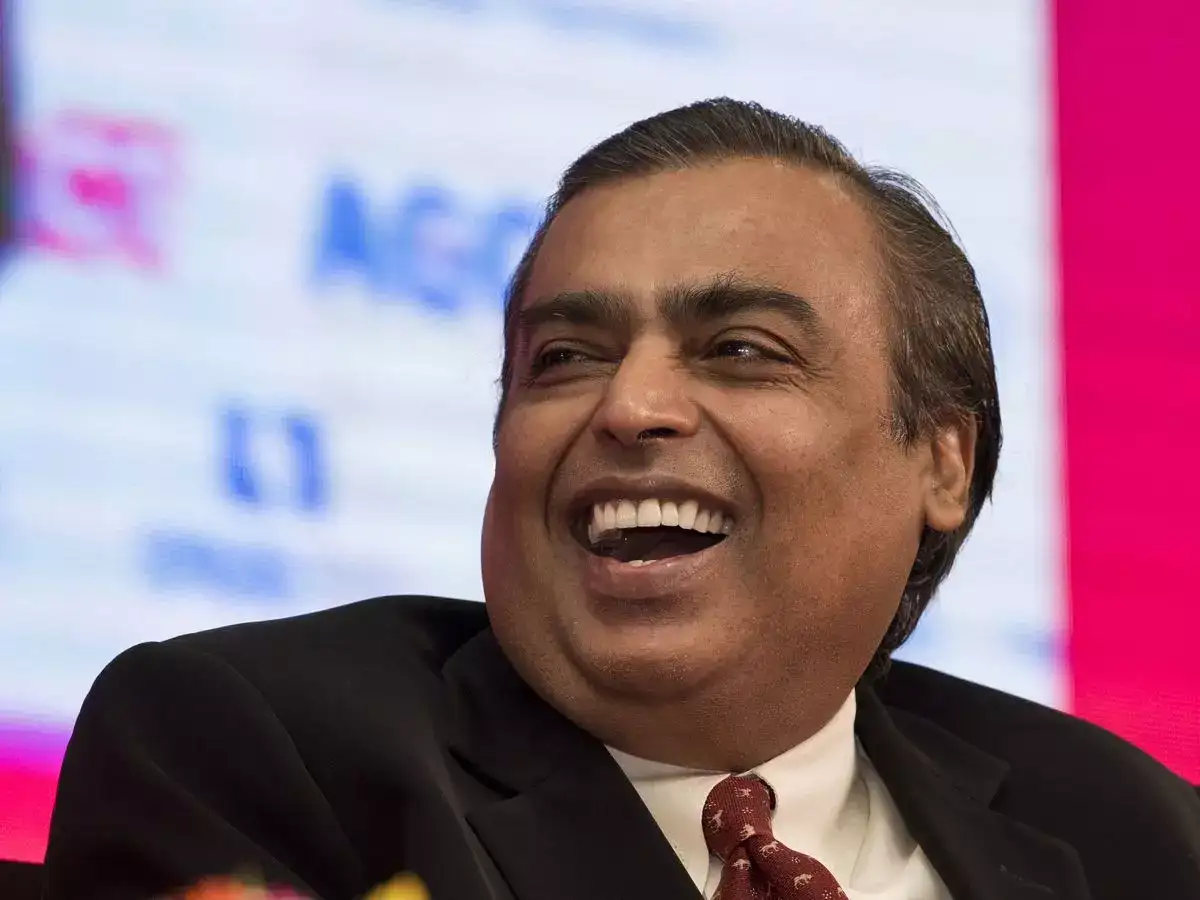
Reliance Industries Chairman Mukesh Ambani steered clear of any timeline for the much-anticipated Reliance Retail IPO at the recent annual general meeting. Instead, he emphasized the retail giant's impressive scale, pro...
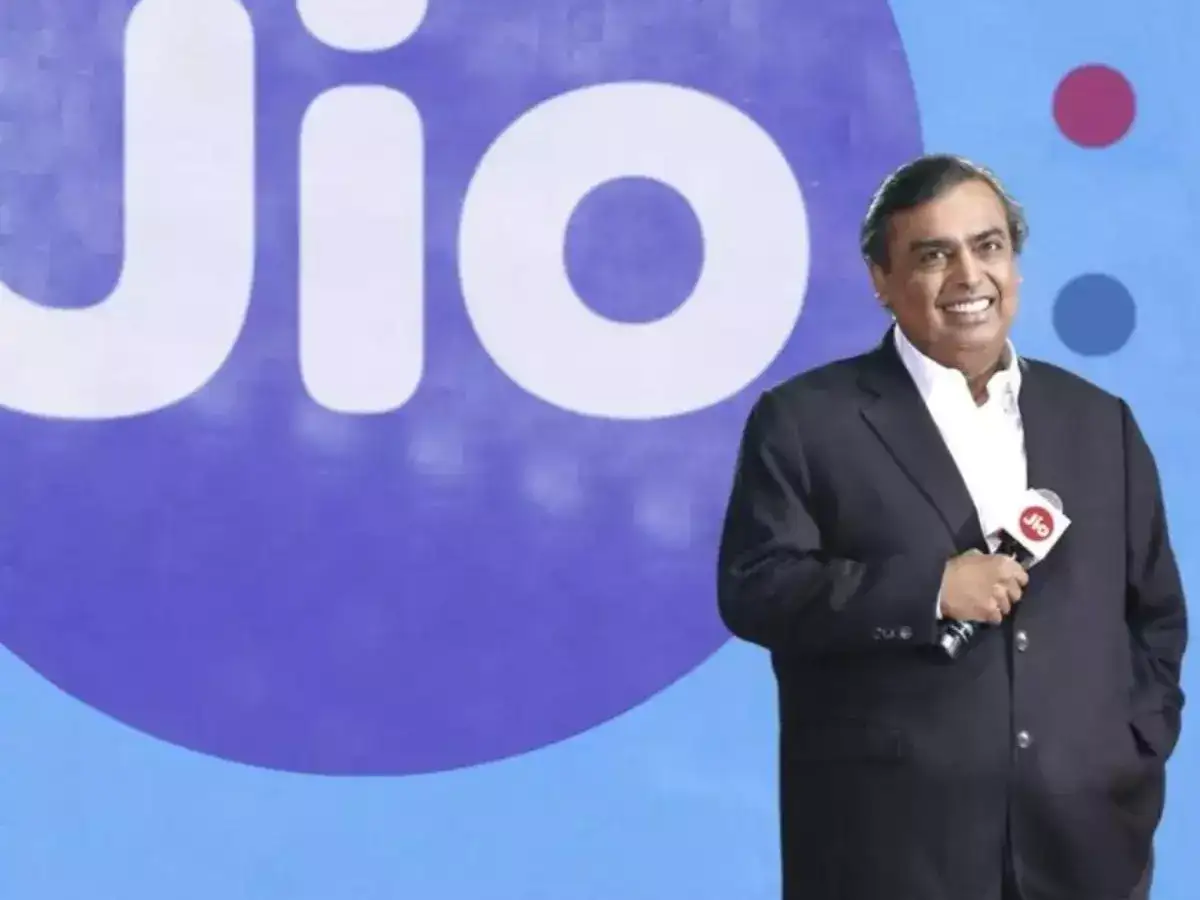
Reliance Industries Chairman Mukesh Ambani announced that the Jio Platforms IPO is a significant value creation milestone for the year, with the telecom giant filing its DRHP with SEBI. He assured shareholders that the...